




After planning a busy round of meetings in Denver for Monday, I decided to take a break and embrace a new adventure. With a 6:00 am flight out of Des Moines on Sunday, I found myself in Colorado with the mountains calling my name. A friend had recommended a hike to the Willow Lakes just outside Silverthorne, CO, promising a challenging trek and the chance to find beautiful wild trout. Intrigued and eager for a new experience, I headed out for what would be an unforgettable day. My alarm went off at 4:00am, a 6:00am flight on United, Rental Car pick up in Denver around 7:30, a quick 90 minute drive to Silverthorne, Colorado, and it was game on!

Arriving in Silverthorne around 9:00 am, I grabbed a hearty breakfast burrito, filled up my water bottle, and made my way to the trailhead. The popularity of this spot was evident as the parking lot was packed, forcing me to park further down the hill—adding some extra distance and elevation gain to my hike. Starting at around 8,800 feet, I ascended to approximately 11,300 feet, covering a total of 12.4 miles out and back. The climb was demanding, but the beauty of the trail kept my spirits high despite my legs feeling the strain.


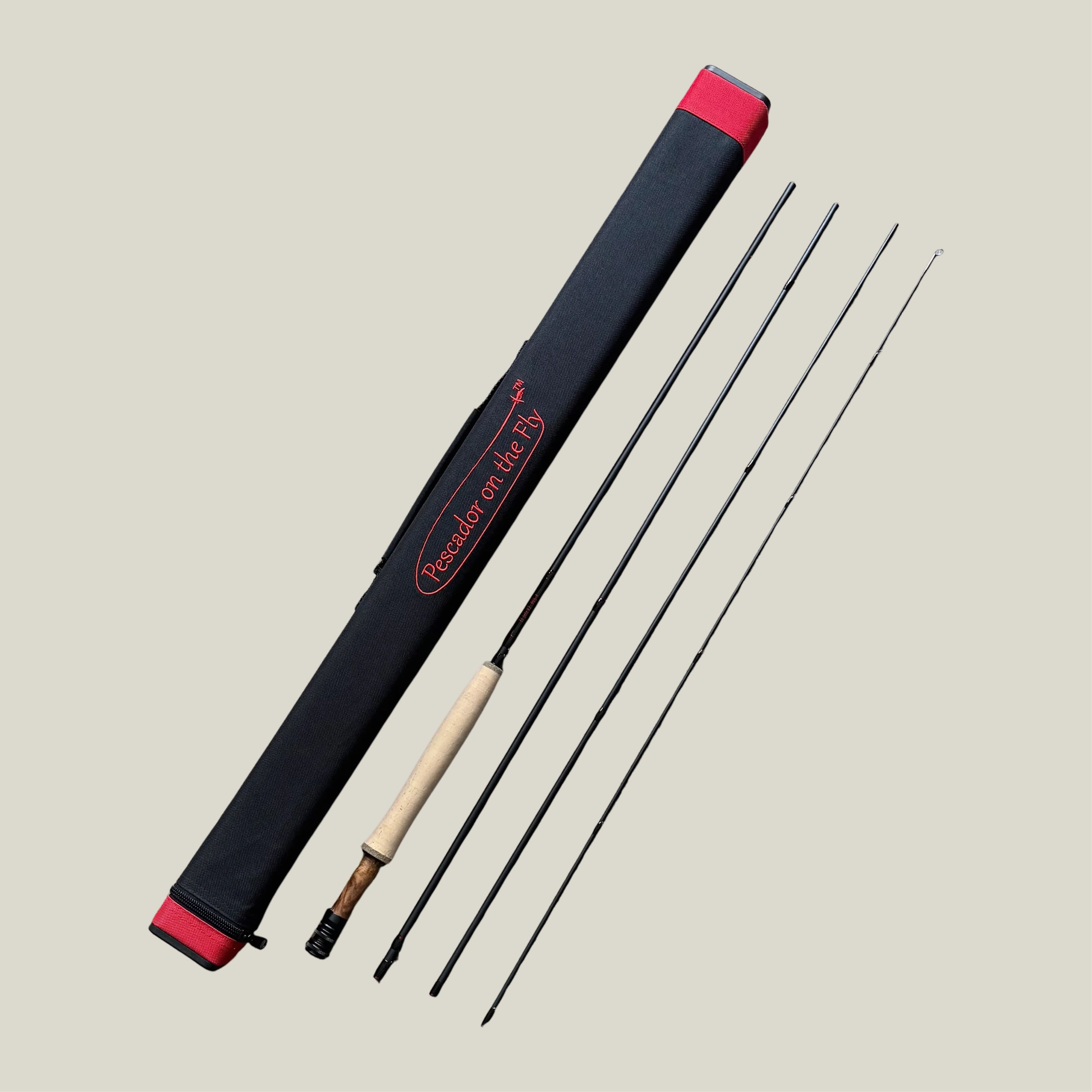
The photos above are about 2/3s of the way to the first lake. It's pretty easy to cover some ground when you are hiking by yourself. I enjoyed talking with other hikers on my way up. These conversations with people hiking up and back with large 4 section fly rod tubes was a great opportunity to share our packable story. I exchanged contact info with a bunch of people interested in a more packable solution.

The Willow Lakes area boasts five stunning lakes, and I chose to fish the largest, known as Salmon Lake. As I neared the lake, the trail faded away, leading me to a vast boulder field. Traversing these boulders was no easy task and not something I recommend doing alone. The lack of people off the trail meant I had to be extra cautious; a misstep could have had serious consequences. Slowly and carefully, I made my way across, finally reaching the lake’s edge. 
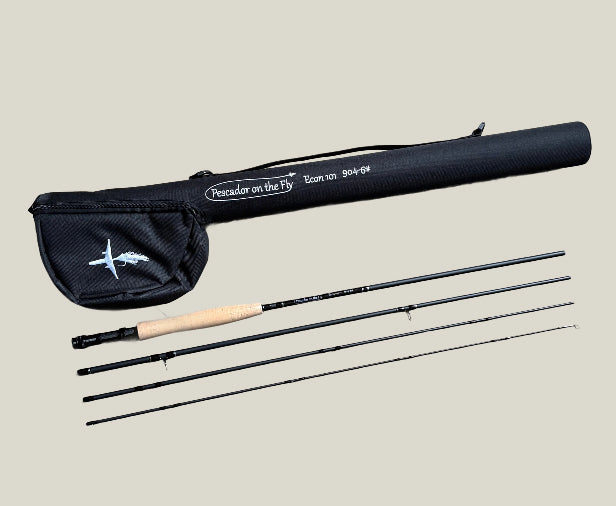
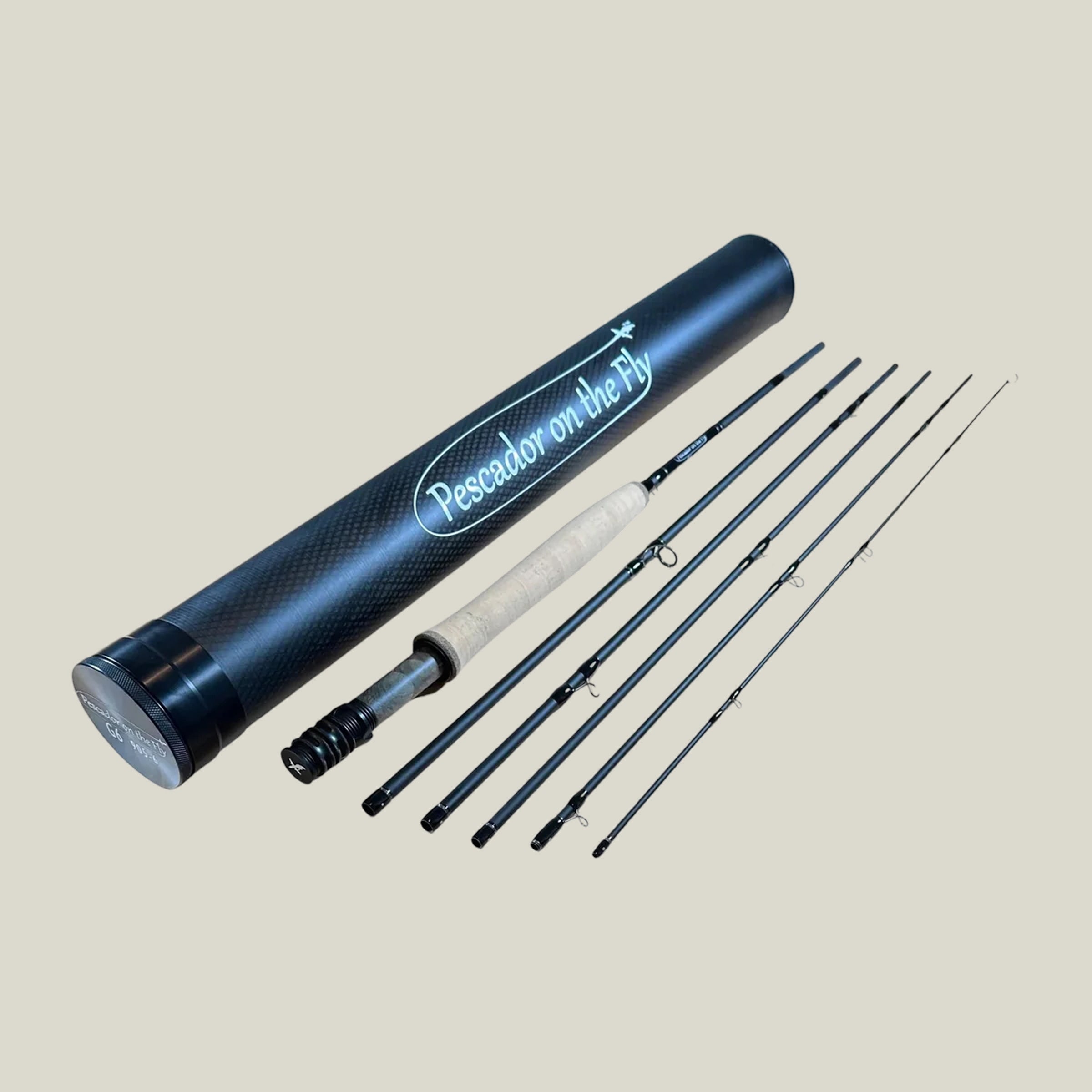
The scene was breathtaking, but the wind was fierce, making fishing a challenge. After about 30 minutes, the wind subsided, and I moved to a more sheltered spot on the backside of the lake. There, I spotted a few rising trout, a promising sign. I assembled one of our new prototype six-section packable rods, the 8.5-foot 4-weight, paired with an El Jefe 3/4 fly reel and Scientific Anglers Mastery Trout fly line. For flies, I opted for a classic parachute Adams with a small pheasant tail dropper, a setup perfect for tempting rising trout.
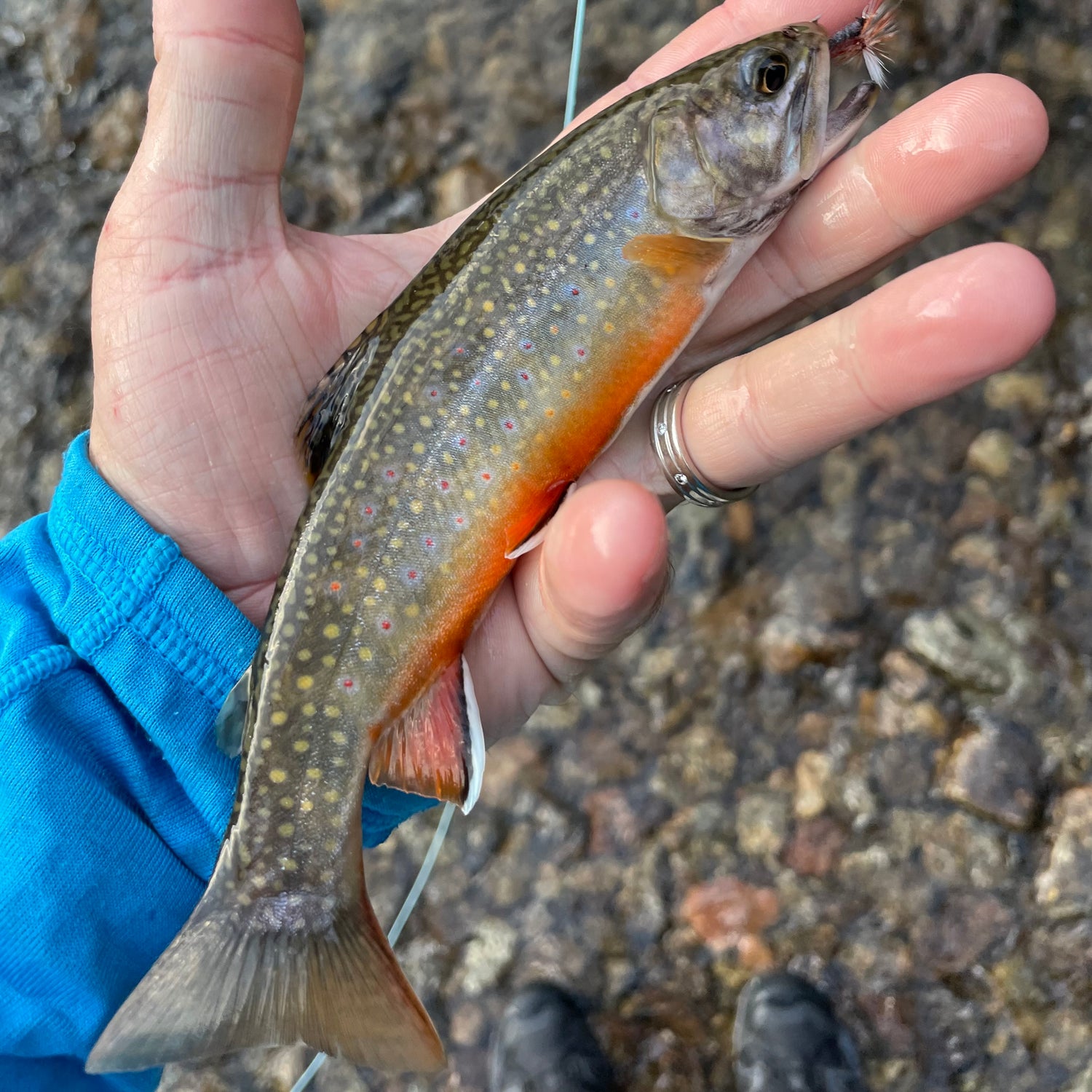
The trout were mostly rising far out, but this rod made casting to them a breeze. After several refusals, I noticed some cruising near the shore. A well-placed cast and boom—it was on! The trout were incredibly vibrant brook trout, their colors stunning against the clear mountain water. I managed to capture a bit of video of one before it slipped off near a rock. Despite a few escapes, I landed a couple of these beauties before deciding to make my way back down the mountain.
On my way down, I refilled my water bottle from a stream just below Salmon Lake. The water was crystal clear and refreshingly pure, a perfect end to an exhilarating day. This trip was not just about fishing; it was a reminder of the simple joys of being out in nature, away from the hustle and bustle of everyday life.
As summer heats up, remember that high mountain lakes offer a refreshing alternative when river temperatures rise. These cooler waters provide a unique and rewarding challenge for fly fishers, offering not just great fishing but also stunning scenery and a chance to truly unplug. I can’t wait to return to explore the other lakes in the area.
Until next time, tight lines, my friends!

I love this photo, this shows the elevation gain on my Colorado hike, and it compares it to the hikes I went on in Montana earlier in the month. I see more of these hikes in my future to high mountain lakes, especially in the hot days of summer when the water temperatures rise.
Understanding Brook Trout Colorado Habitat and Behavior at Altitude
The brook trout colorado anglers encounter above 11,000 feet behave differently than their lower-elevation cousins. At Willow Lakes and similar high-alpine destinations, these fish face a compressed growing season—often just three to four ice-free months—which shapes everything from their feeding windows to their willingness to strike. Water temperatures rarely exceed 55°F even in midsummer, keeping brookies active throughout the day but also making them selective. They've learned to capitalize on brief hatches of midges, caddis, and the occasional mayfly, often feeding in short, intense bursts when insects are most concentrated.
Because dissolved oxygen levels are higher in cold, turbulent alpine water, brook trout can hold in surprisingly shallow riffles and along exposed shorelines where wind concentrates food. This is why you'll often see rises in areas that look too thin or exposed—the fish are opportunistic and mobile, cruising rather than holding fixed lies. Understanding this behavior means covering water methodically and being ready to adapt quickly when you spot activity.
Gear Considerations for Brook Trout Colorado High-Country Fishing
Packing light is non-negotiable when you're gaining 2,500 vertical feet over six miles. A traditional four-piece 9-foot rod in a hard tube adds bulk and weight that becomes a liability on steep, technical terrain like the boulder fields above Salmon Lake. This is exactly why our six-section packable rods make sense for alpine missions—they stow inside a backpack, freeing your hands for scrambling and balance, and eliminate the risk of snapping a tip on a rock or tree during the approach.
Beyond the rod, keep your kit minimal: one small box of flies (sizes 14–18 parachute patterns, pheasant tails, and a few terrestrials), a single spool of 5X tippet, nippers, forceps, and a lightweight net if you're filming or photographing fish. Skip the vest. A chest pack or hip pack with a single water bottle pocket is plenty. Your focus should be on hydration, navigation, and safety—fishing gear is secondary to getting up and back safely.
Timing Your Trip: Weather, Runoff, and the Brook Trout Colorado Season
Willow Lakes and similar high-alpine fisheries are typically accessible from late June through September, with peak conditions in August and early September after runoff subsides and before early-season snow. Snowpack lingers well into summer at 11,000 feet, and trails can be muddy, icy, or impassable in June. Check recent trip reports and forest service conditions before committing to a long drive.
Weather changes fast above treeline. Afternoon thunderstorms are common from July through August, often rolling in between 1:00 and 3:00 pm. Plan to be off exposed ridges and boulder fields by early afternoon, which means starting your hike at first light. Mornings also offer calmer winds—critical when you're casting small dries to spooky fish in clear water. A lightweight rain shell, extra layer, and headlamp should be non-negotiable items in your pack, even on bluebird days.
Fly Selection and Presentation for Selective Alpine Brookies
Brook trout in Colorado's high country are not the gullible fish of popular imagination. In heavily visited lakes like Salmon, they see plenty of flies and learn quickly. A parachute Adams in size 16 is a solid starting point, but carry variations—Griffith's gnats in 18 and 20, elk hair caddis, and small beetles or ants for when the wind drops and terrestrials become active. A pheasant tail or zebra midge dropper 18 inches below your dry fly covers the water column and accounts for fish feeding subsurface.
Presentation matters more than pattern. Long, fine leaders—9 feet minimum, tapered to 5X or 6X—help turn over small flies in wind and reduce drag on glassy water. When fish are cruising, lead them by several feet and let the fly sit motionless; movement often spooks them. If you're getting refusals, downsize your tippet or switch to a less bushy dry fly. These fish have all day to inspect your offering, and they will.
Safety and Leave-No-Trace Practices in Remote Brook Trout Colorado Waters
Fishing alone in boulder fields at 11,300 feet carries real risk. A turned ankle or fall can quickly become serious when you're miles from the trailhead and out of cell range. Move slowly, test each step, and don't hesitate to turn back if conditions feel unsafe. Carry a charged phone, a downloaded offline map, and let someone know your plan and expected return time.
These fragile alpine ecosystems recover slowly from impact. Stay on established trails whenever possible, pack out everything you pack in, and handle fish quickly with wet hands or a rubberized net. Brook trout are especially vulnerable to handling stress in warm water—if temperatures approach 60°F, consider fishing elsewhere or switching to observation only. The goal is to leave Willow Lakes and similar destinations exactly as you found them, so the next angler—and the next generation of brook trout—can enjoy the same experience.
Beyond Willow Lakes: Other Brook Trout Colorado Destinations Worth the Hike
If you've fished Salmon Lake and want to explore further, Colorado offers dozens of comparable high-alpine brook trout fisheries. The Mohawk Lakes near Breckenridge, Upper Piney Lake outside Vail, and the string of lakes in the Eagles Nest Wilderness all hold healthy populations of wild brookies and require similar effort to access. Each has its own character—some are windswept and barren, others tucked into cirques with lingering snowfields and gin-clear water.
Less-trafficked options exist if you're willing to study maps and put in additional miles. The key is matching your fitness level and experience to the terrain. Not every alpine lake requires boulder-field navigation, but the most remote and lightly fished waters almost always demand it. Research access, elevation gain, and recent conditions carefully, and don't let the allure of untouched water push you beyond your skill level. The fish will still be there next season.
Chasing brook trout in Colorado's high country is as much about the journey as the fishing. The preparation, the climb, the solitude, and the moments when everything aligns—calm water, rising fish, a well-placed cast—make these trips memorable long after your legs stop aching. Pack smart, move carefully, and respect the wildness that makes these places worth protecting.


Leave a comment
All comments are moderated before being published.
This site is protected by hCaptcha and the hCaptcha Privacy Policy and Terms of Service apply.