




I’m excited to share another guest blog from my good friend and professional guide, Jake Hensley — also known as @missoulaflyguy on Instagram. Jake is one of the best fly fishing guides I’ve ever had the privilege to fish with. His deep knowledge of the Missoula area rivers, his relentless work ethic, and his passion for creating incredible days on the water truly set him apart.
Jake is based out of Missoula, Montana, and you can learn more about him and book a trip through his website: www.missoulaflyguy.com.
As I post this, I’m actually in Missoula and getting ready to spend the next three days on the water with Jake — and if his fishing report below is any indication, it’s going to be a trip to remember.
If you’re ever thinking about fishing in western Montana, I can’t recommend Jake highly enough. Now, here’s Jake with a fresh update from the Missoula waters…
Guest Blog by Jake Hensley (@missoulaflyguy)
Spring has been in full force for fishermen here in Missoula, and it has been a pretty epic season to say the least. We have battled through the changing weather, the busy rush of anglers the spring season brings, and have produced some amazing days on the water. I have never been contained to just one river during a season and I consider myself proficient on almost every local stretch of here. I would say I continued that trend during this spring season. From chasing pike on the Clark Fork and Flathead to dry fly fishing on the Bitterroot we stay flexible and try to keep a nomad approach. I have yet to see another boat in the last two weeks and it seems like I have been able to stay unseen and successful.
We have arrived at the later part of spring now where Missoula usually tends to see our run off start and bring muddy high water but we are still holding strong with the cooler nights and mild day time temps. I have a few clients who are willing to gamble on this time of year and when the stars align, like they are now, they really reap the benefits. In this last week of April competition will decrease from other outfitters and guides, the traffic will slow down and the bugs will be prolific. I have seen this magic time happen about every 2 years and when you find yourself on one of our world class waters by yourself in the middle of an incredible hatch, you will be happy you took the risk. Last week I ventured down to the lower Clark Fork to check on the hatch, the water was a little high from our early spring run off but it still fished alright. I found that the outside banks were not quite built right and there wasn’t enough bugs to push fish to feed in the hard lanes. I saved my days by running some meat and potato flies through some mid level inside riffles and still managed to dig up 12-20 nice trout for some beginner clients. I ventured back towards the Bitterroot to chase the dry fly bite again and saw lots of March Brown, mayflies and plenty of skwalas. New clients arrived on Tuesday and I knew it was time to check the lower Clark again. This time I noticed a little drop in the river and a better build on the outside banks. Clouds moved in and our cool morning heated up with a smorgasboard of bugs and action, landing lots of nice size trout on dry flies and droppers as well. We closed out our week by staying solitary on our own stretches of rivers NOT on the Bitterroot and created some great memories.
We have arrived, peak pinnacle fluttering skwalas are here on the lower and upper Clark Fork and Blackfoot and Bitterroot along with Baetis, March Browns, Mothersday Caddis and an occasional Grey Drake. My client who arrives Monday will be frothing at the mouth to once again see some of the best fly fishing we get for the end of April. Life is short, book the trip, make the gamble, take the risk, set the hook and make it happen!
Gear That Travels Well for Fly Fishing Missoula Montana
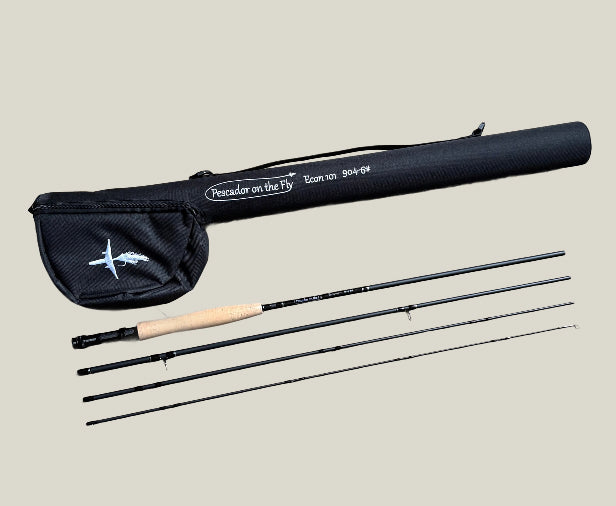
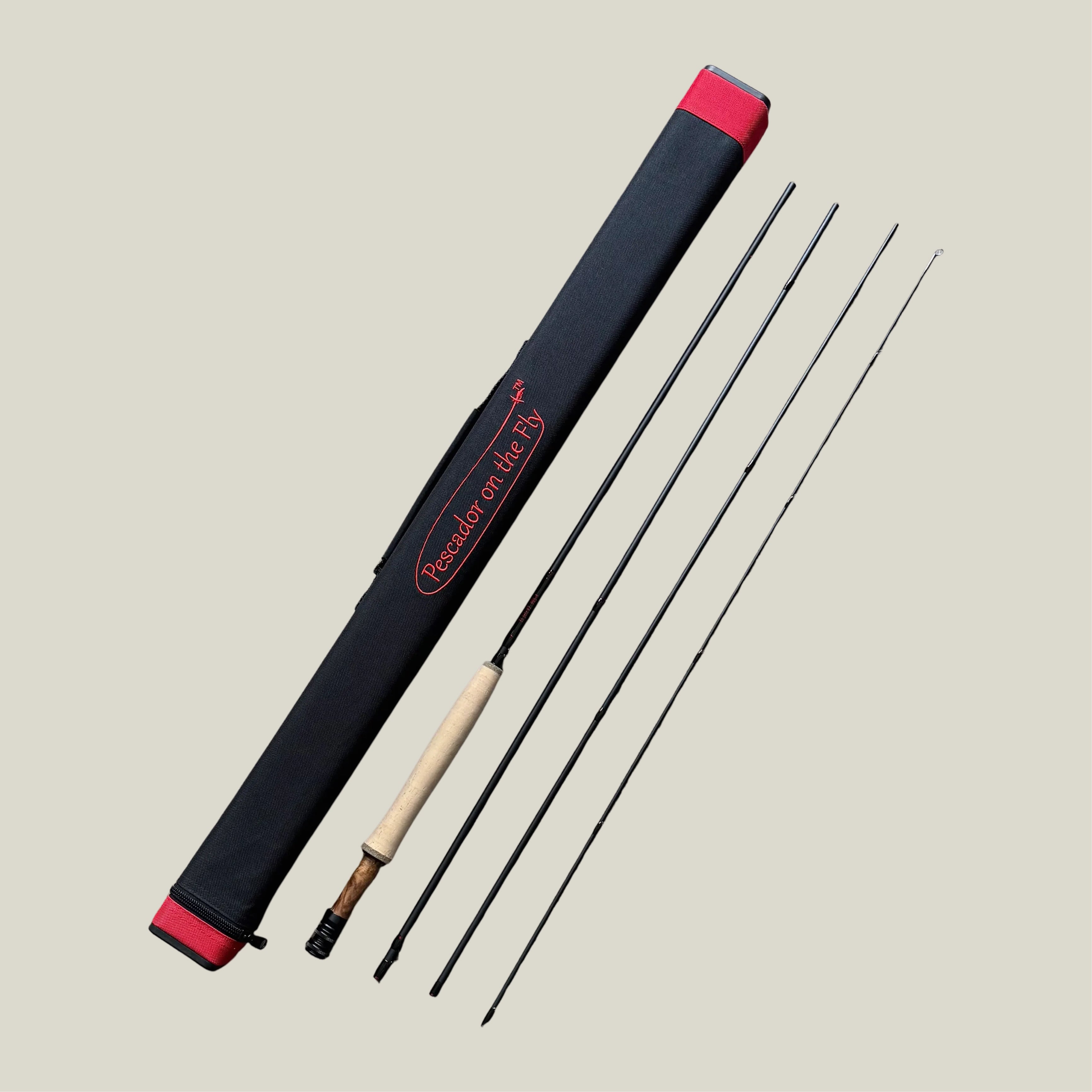
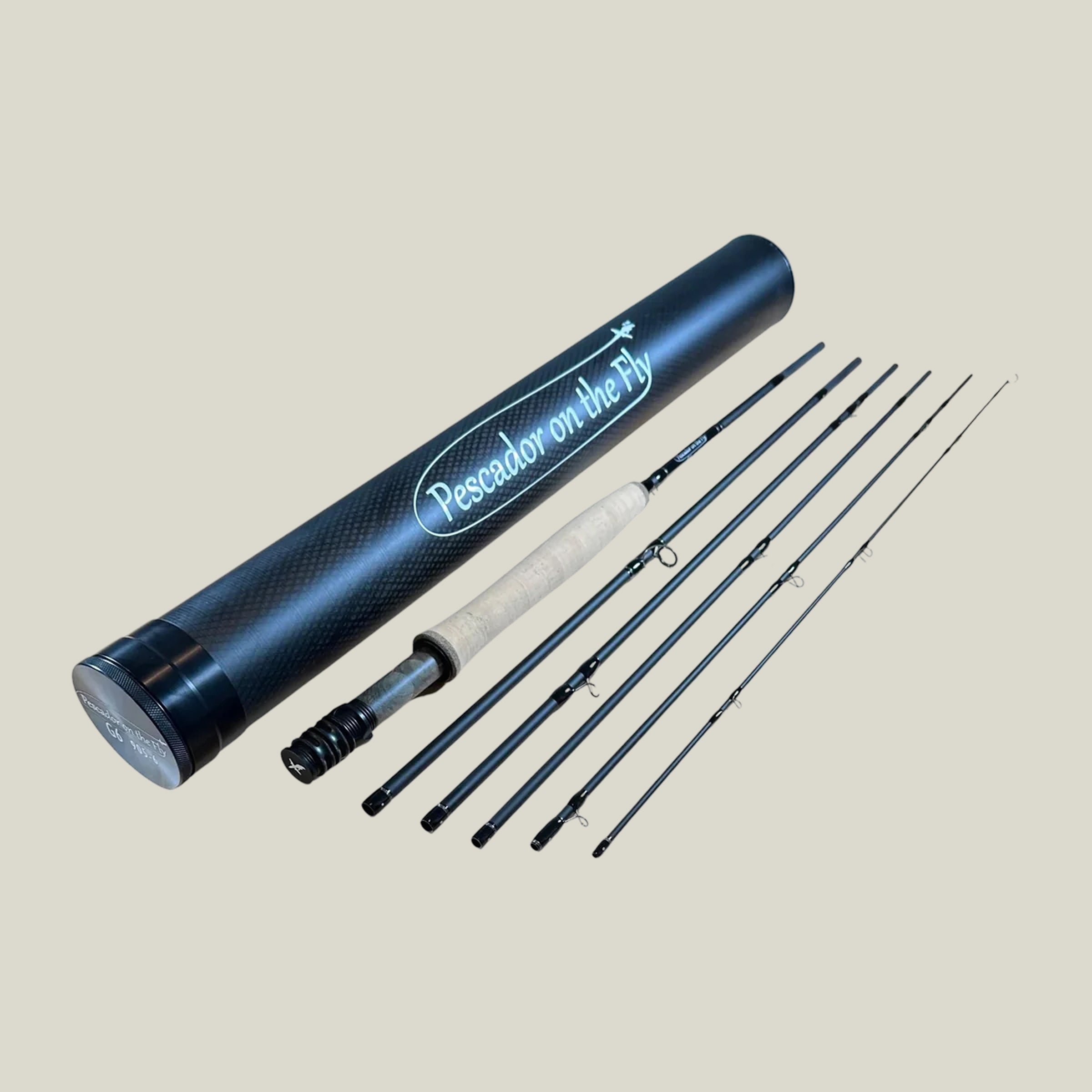
When you're planning a trip to western Montana, you're likely flying into Missoula and then driving to different rivers depending on conditions. That means your rod needs to break down small and travel tough. I've guided clients who showed up with eight-foot two-piece rods in hard tubes, and those things are a nightmare in rental cars and float planes. A quality four-piece rod in the 9-foot range for a 5- or 6-weight covers most of what you'll encounter here — from March Browns on the Bitterroot to streamer fishing the Clark Fork. If you're bouncing between rivers like Jake does, consider packable travel rods that fit in a carry-on and won't get destroyed by baggage handlers. You don't need a different outfit for every river, but you do need one that won't let you down when you're two hours from town and the skwalas are popping.
Reading Water on the Clark Fork vs. the Bitterroot
The Clark Fork and the Bitterroot fish completely differently, even though they're both within a short drive of Missoula. The Clark Fork is bigger, slower in spots, and holds more varied structure — you'll find long glides, deep runs, and those outside banks Jake mentioned that build up when flows drop. Early season, before runoff, the fish stack in softer water near the banks where bugs collect. The Bitterroot, by contrast, is faster, rockier, and more classic freestone. It's got defined riffles, pocket water, and clearer sight-fishing opportunities when the sun's out. If you're new to fly fishing Missoula Montana rivers, don't assume what works on one will work on the other. The Clark Fork rewards patience and methodical coverage with nymphs or streamers. The Bitterroot rewards reading the seams and dropping dries into feeding lanes. Both rivers can produce incredible days, but your approach needs to shift with the water type.
What "Meat and Potato Flies" Actually Means Here
Jake mentioned running meat and potato flies through mid-level riffles when the hatch wasn't strong enough to pull fish to the surface. That's guide-speak for reliable, high-percentage nymphs that imitate the most common food sources year-round. In Missoula, that usually means stonefly nymphs in sizes 6 through 10 — Pat's Rubberlegs, 20 Inchers, or simple black or brown stones. Add a smaller trailing fly like a Pheasant Tail, Hare's Ear, or Zebra Midge in size 16 or 18, and you've got a rig that works when nothing's hatching and the fish are holding deep. These aren't flashy or complicated. They're the flies that produce when you need to put clients on fish regardless of conditions. If you're packing for a Missoula trip and you're not sure what the bugs will be doing, load your box with these first. They work in March, they work in October, and they work on every river within an hour of town.
Why Timing Runoff Matters More Than You Think
Runoff in western Montana is not a fixed date on the calendar. Some years it hits hard in late April. Other years, like the one Jake described, cool nights and mild days hold it off into May. When runoff does come, it doesn't hit every river at the same time or with the same intensity. The Bitterroot, fed by the Bitterroot Range, can blow out while the lower Clark Fork is still fishable. Smaller tributaries like Rock Creek or the Blackfoot might clear days before the main stems. If you're booking a trip in late April or May, you need to be flexible and you need a guide who knows where to pivot. The reward for fishing that narrow window right before runoff — or in the brief clear periods during it — is exactly what Jake described: empty rivers, aggressive fish, and prolific hatches. But if you show up locked into one river and one date, you might spend three days staring at chocolate milk. Ask your guide what the backup plan is. If they don't have one, find a different guide.
Dry Fly Fishing Missoula Montana: What Hatches When
Spring in Missoula means stoneflies first — skwalas starting in late February and running into April, especially on the Bitterroot. March Browns, which are actually a mayfly despite the name, overlap with the tail end of skwala season and can bring excellent dry fly action in April. By late May and into June, if runoff cooperates, you'll see caddis and pale morning duns. Summer brings smaller mayflies, terrestrials, and evening caddis. Fall is all about October caddis and blue-winged olives. But here's the thing: hatches are weather-dependent and river-specific. A cloudy, drizzly day in April can turn on March Browns that wouldn't show in bright sun. A warm afternoon in March can pull skwalas off the willows. If you're planning to fish dries, don't just look at the calendar — check recent reports, talk to your guide, and be ready to switch tactics if the bugs don't cooperate. The dry fly fishing here is world-class when it's on, but it's not on every day, and it's not predictable weeks in advance.
Why You Should Fish Outside the Bitterroot Corridor
The Bitterroot gets the most attention, the most pressure, and the most traffic during prime season. It's a beautiful river and it fishes well, but Jake's point about staying solitary on other stretches is worth taking seriously. The Clark Fork below Missoula, Rock Creek, the Blackfoot, and even the Flathead offer incredible fishing with a fraction of the angler density. You won't see another boat for hours. The fish aren't as educated. The hatches can be just as strong. If you're hiring a guide, ask them where they go when they want to avoid the crowd. If you're fishing on your own, spend time on Google Earth looking at access points on rivers that don't show up in every fly shop's trip report. Fly fishing Missoula Montana is not just about the Bitterroot. The best day of your trip might be on a river you've never heard of, with no one else around, and fish that haven't seen a fly in days. That's the magic Jake's talking about, and it's still available if you're willing to look past the obvious choices.
Missoula is one of the best fly fishing destinations in the Lower 48, but it rewards flexibility, local knowledge, and a willingness to adapt. Fish the right water at the right time with the right flies, and you'll understand why guides like Jake keep coming back year after year.


Leave a comment
All comments are moderated before being published.
This site is protected by hCaptcha and the hCaptcha Privacy Policy and Terms of Service apply.