



At a Glance
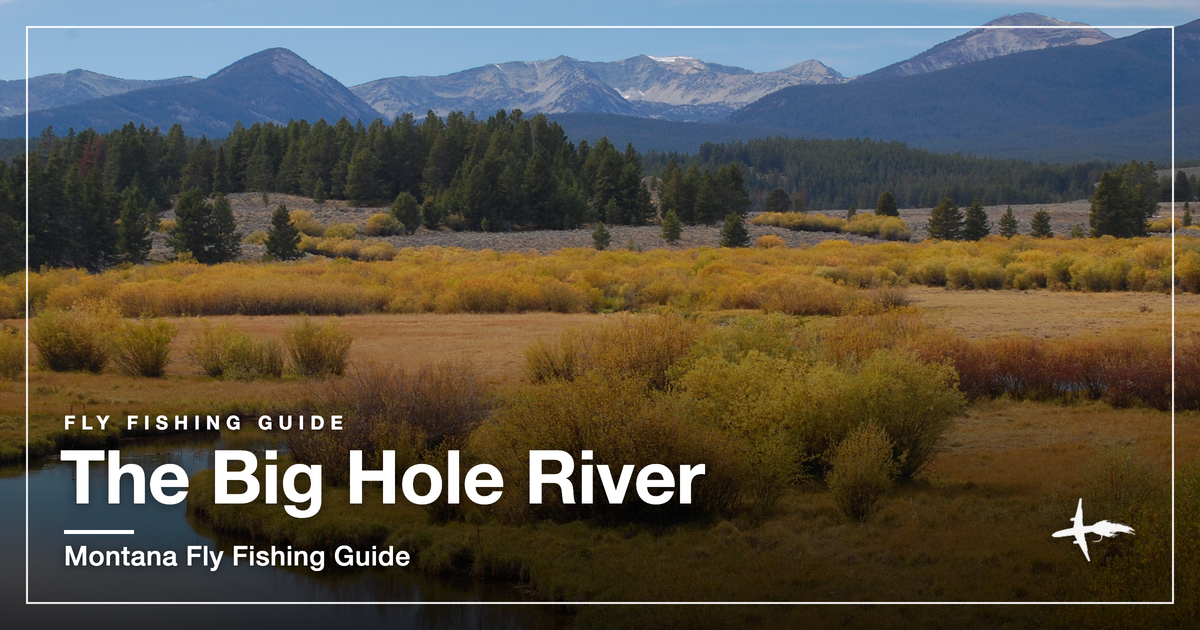
The Big Hole is a free-flowing, undammed freestone river in southwestern Montana, running roughly 150 miles from high mountain meadows near Skinner Lake to its confluence with the Beaverhead and Ruby Rivers at Twin Bridges. It's the state's second longest undammed river, meaning flows rise and fall with snowmelt and weather rather than tailwater schedules. The river's character changes dramatically along its length: the upper reach meanders through hay meadows and willow-lined pastures, holding smaller fish in small-stream water. Below Wisdom, where the North Fork joins, the river gains real size and enters the famous canyon stretch—a mix of riffles, pools, and pocket water paralleling Highway 43 to Divide. From Melrose downstream, the river widens into cottonwood-lined channels with long, slow pools and braided runs. Certain sections hold around 3,500 trout per mile, with a substantial percentage in the 18–20" class.

The Trout
The Big Hole holds five game-fish species, unusual for a single river system. Rainbow trout are present throughout, especially abundant in the upper meadow reaches, where dry-fly fishing for 10–14" fish is exceptional. Brown trout dominate the lower river and are the species the Big Hole is best known for—wild, aggressive fish with a tradition of producing large specimens. In fall, browns become especially aggressive as they prepare to spawn, making streamers highly effective. Brook trout are most plentiful in the upper river near Wisdom, with numbers thinning as rainbows and browns take over downstream. Cutthroat trout are present, mostly in headwater and spring-creek habitat. The river also holds the Lower 48's last self-sustaining population of fluvial Arctic grayling, and while they're not the primary target for most anglers, they're part of what makes the Big Hole unique. Grayling must be released immediately under mandatory catch-and-release rules.

Best Seasons
Late April through May is prime time before runoff blows out the river. The Skwala stonefly hatch appears around mid-April as ice breaks free and water warms to between 45–48 degrees, producing some of the best dry-fly fishing of the year. This window also brings Mother's Day caddis, March browns, and Baetis, plus prime streamer water for large fish. Pressure is low during this period.

Mid-June to early July brings the signature salmonfly hatch, typically occurring from June 15 to July 1st. The Big Hole Fly Fishing experience during this hatch is the draw for many anglers, chasing giant dry-fly eats as the hatch progresses upriver from Glen to East Bank across roughly 80 miles of floatable water. The river is often swollen and receding from runoff, but the fishing can be exceptional when you find the hatch and clear enough water.
September through October is a favorite time for many Big Hole anglers. Water temperatures cool, river congestion drops, and brown trout become aggressive as they prepare for fall spawning. Streamers are highly effective during this stretch, which many consider some of Montana's best streamer fishing. Blue-winged olives return, and standard mayfly patterns still produce.
Peak runoff from mid-May to early or mid-June brings high, often off-color, occasionally dangerous flows that make fishing difficult and sometimes impossible. In drought-stressed late summer—late July through August in dry years—warm water can trigger hoot-owl restrictions or full closures. Hoot-owl restrictions mean water temperatures have reached 73 degrees or higher for three straight days, prohibiting fishing from 2 p.m. to midnight daily. Full closures can follow when flows drop very low, historically below 100 cubic feet per second on certain reaches. Always verify current status directly with Montana Fish, Wildlife & Parks before a trip, since these rules change through the season.
Winter is not a viable season. Much of the river freezes completely over.
Hatch Calendar
March Through Mid-April
Cold-water period with midges and blue-winged olives on overcast days. Shortly after ice flows leave the river, fish become active. Nymphing and slow-stripping streamers are the go-to methods, but cloudy days bring hatches of blue wings and midges that offer dry-fly opportunities.
Mid-April Through Late May
The Skwala stonefly is the season's first big dry-fly event, appearing around mid-April as the ice breaks free and water warms to between 45–48 degrees. The best Skwala activity typically occurs below the town of Melrose on the lower Big Hole. This window also brings Mother's Day caddis and March brown mayflies, plus Baetis. Many local anglers consider this period the best time to target the river's largest fish using big streamers.
June
The Big Hole is famous for its prolific salmonfly hatch in June. The hatch typically occurs from June 15 to July 1st and is triggered thermally when water temperatures range between 54 and 58 degrees. About a week or so before insects hatch, nymphs crawl to bankside structure and shed their shuck. The hatch progresses upriver: you can find it first on the lower river near Glen, then it works its way up the river to East Bank—about 80 miles of floatable river—because the water starts to warm first there. In June, the river is swollen yet receding after heavy snowmelt, but the fishing heats up as the salmonfly hatch begins. These big bugs mean the river's larger fish rise to the surface to feed. Golden stoneflies overlap immediately, emerging slightly later than salmonflies beginning in mid-June and lasting into early July in the same upriver sequence. These insects are size 8 to 12, smaller than salmonflies, but equally important to trout.
Late June Through August
Yellow Sallies, pale morning duns, and Tricos take over as the stonefly emergence fades. Yellow Sallies begin in mid-June and last through August, with afternoon egg-laying flights reliably triggering rising activity. Pale morning duns are reliable throughout summer on the Big Hole, typically in the mornings. Terrestrials matter: grasshoppers, ants, and spruce moths all draw strikes along the banks, with trout showing no hesitation when eating a well-presented spruce moth imitation. Summer fishing runs from July through September with PMDs, Yellow Sally stoneflies, and terrestrials producing steady action.
September Through October
Cooling temperatures bring back blue-winged olives and trigger pre-spawn brown trout aggression. Fall is a favorite time for many Big Hole anglers. Water temperatures are cooler, river congestion is low, and brown trout become aggressive as they prepare for fall spawning, making streamers highly effective. Mayfly imitations, such as the Adams, work equally as well on this stretch of the Big Hole during fall as they do farther upriver. Streamer fishing during this stretch is considered some of the state's best for experienced anglers fishing the lower Big Hole.
Flies & Tactics
Salmonfly and Golden Stone Dries (June)
Regional favorites include the Fat Freddie, Madam X, the Water Walker, Kaufman's Stimulator, the Thing From Uranus, the Fluttering Stone, and the local favorite known as the Cat Puke or Cat Vomit. Common traits: the underbody is orange, the flies are large, and depending on the pattern, anglers fish a size 2 to 8, tied with foam or deer hair, or both.
General Dry Flies
Adams sizes 14–20, Royal Wulff sizes 12–14, caddis sizes 12–16, Stimulators sizes 8–16, pale morning duns sizes 16–20, ants sizes 12–16, and grasshoppers sizes 6–10.
Nymphs
Pheasant Tails sizes 14–18, Beadhead Caddis sizes 10–12, Prince Nymphs sizes 12–18, and Girdle Bugs sizes 4–12.
Streamers
Muddler Minnows in sizes 4–10 are standard. Large Woolly Buggers work well for larger rainbow trout when fished in slow pockets behind obstructions such as rocks and downed timber, and are also thrown in deep holes, around undercut banks, and behind rocks in spring.
Rod and Leader Setup
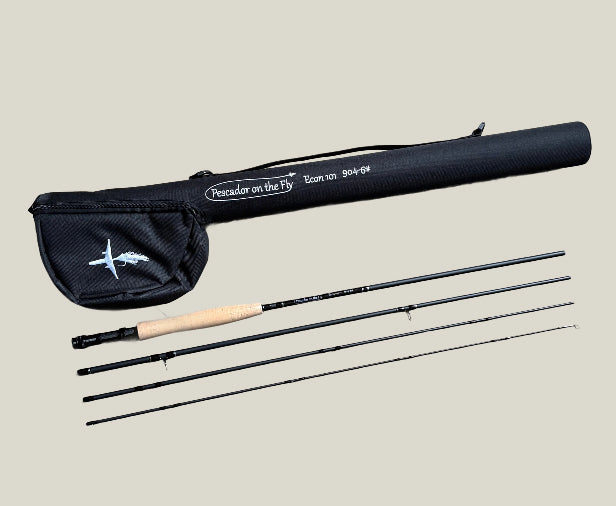
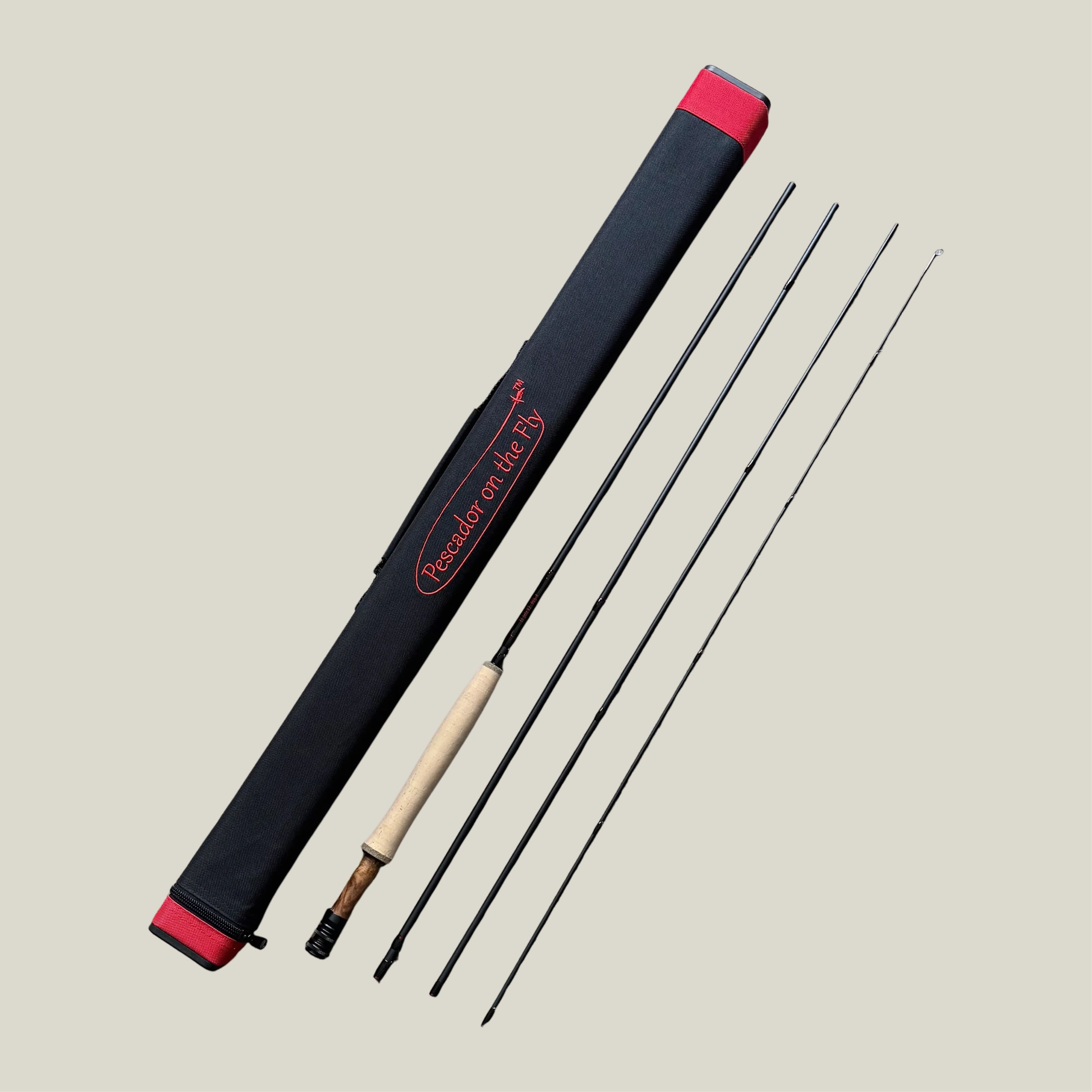
A 9-foot 5-weight fly rod with floating line is ideal for dry flies and small nymphs. A 9-foot 6-weight with a sink-tip line is better for larger nymphs and streamers. A tapered 9-foot leader with tippet 3X to 6X, matched to fly size, is standard.
Where & How to Fish It
Both wading and floating work, but the river's private-land corridor favors floating for covering water and reaching prime banks. The middle section from Divide to Melrose is the most popular and holds the largest trout. Floaters have the advantage here as much of the water is private. Wading is very productive in specific stretches, particularly the canyon: the river between Wise River and Divide is of moderate width, and wade anglers have excellent access along this stretch, able to reach many of the prime fishing spots.

Public access sites on the lower river include Salmon Fly, Brownes Bridge, Kalsta Bridge, Glen, Notch Bottom, Pennington Bridge, and High Road. Other well-known sites include East Bank, Jerry Creek, George Grant/Dewey, Maiden Rock, Divide Bridge, and Fishtrap, which range from well-developed sites with boat ramps, restrooms, and picnic areas to primitive, rugged access. Since no road follows the river in some stretches, wade access is limited to designated sites, creating a fair amount of fishing pressure around them. The best fishing is often found either upstream or downstream from designated access.
All anglers must have a valid Montana Fishing License, a Conservation License, and an Aquatic Invasive Species (AIS) Prevention Pass. The entire river mandates catch-and-release for the native Arctic grayling.
Gear for the Trip
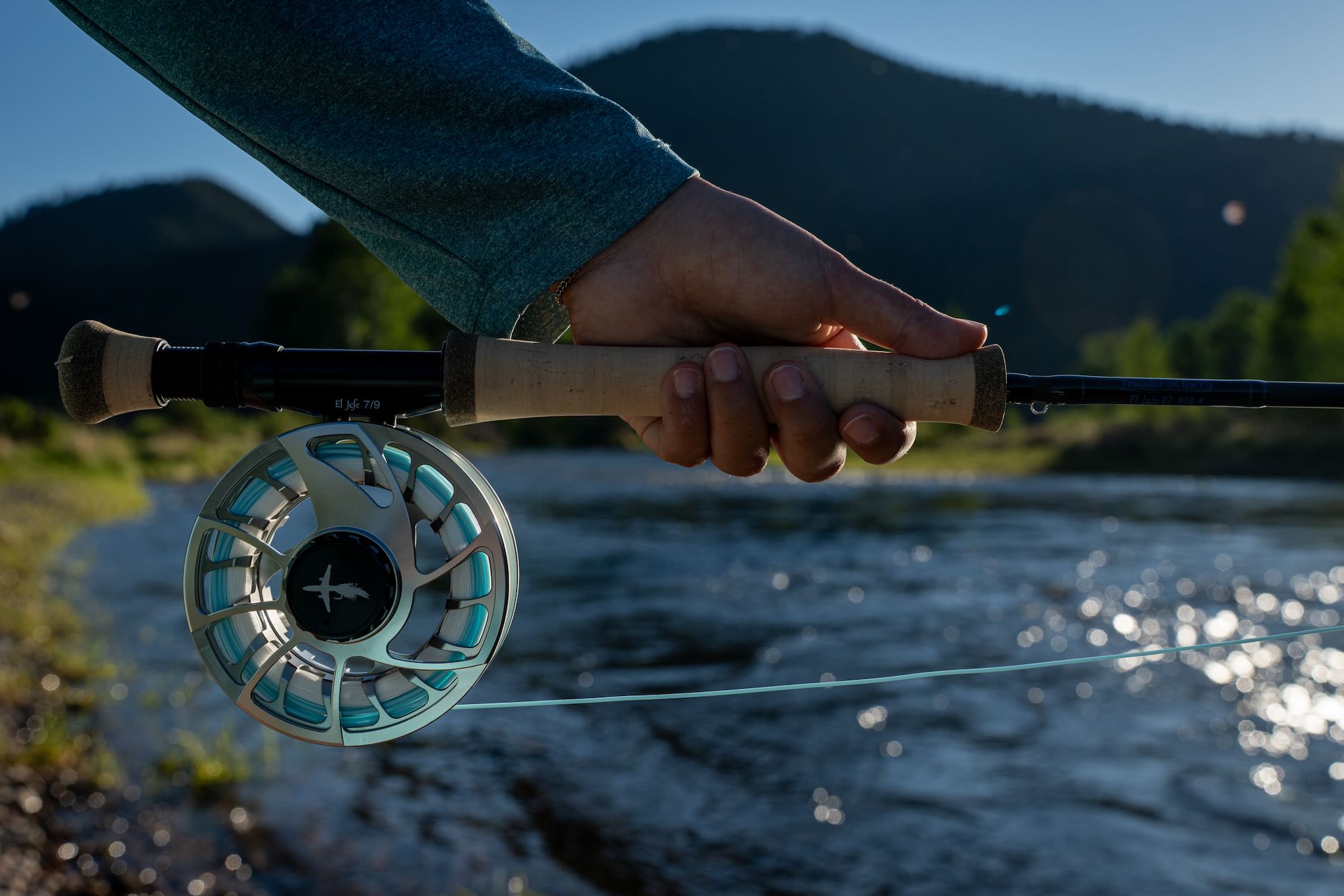
A 9-foot 5-weight rod handles dries and small nymphs through most of the season. During the salmonfly hatch and for fall streamer fishing, a 9-foot 6-weight is better suited to large stonefly dries and weighted streamers. Bring both if you have them, or split the difference with a 5-weight if you're carrying one rod. A floating line covers most situations; a sink-tip or sinking head is useful for swinging streamers in fall and spring.
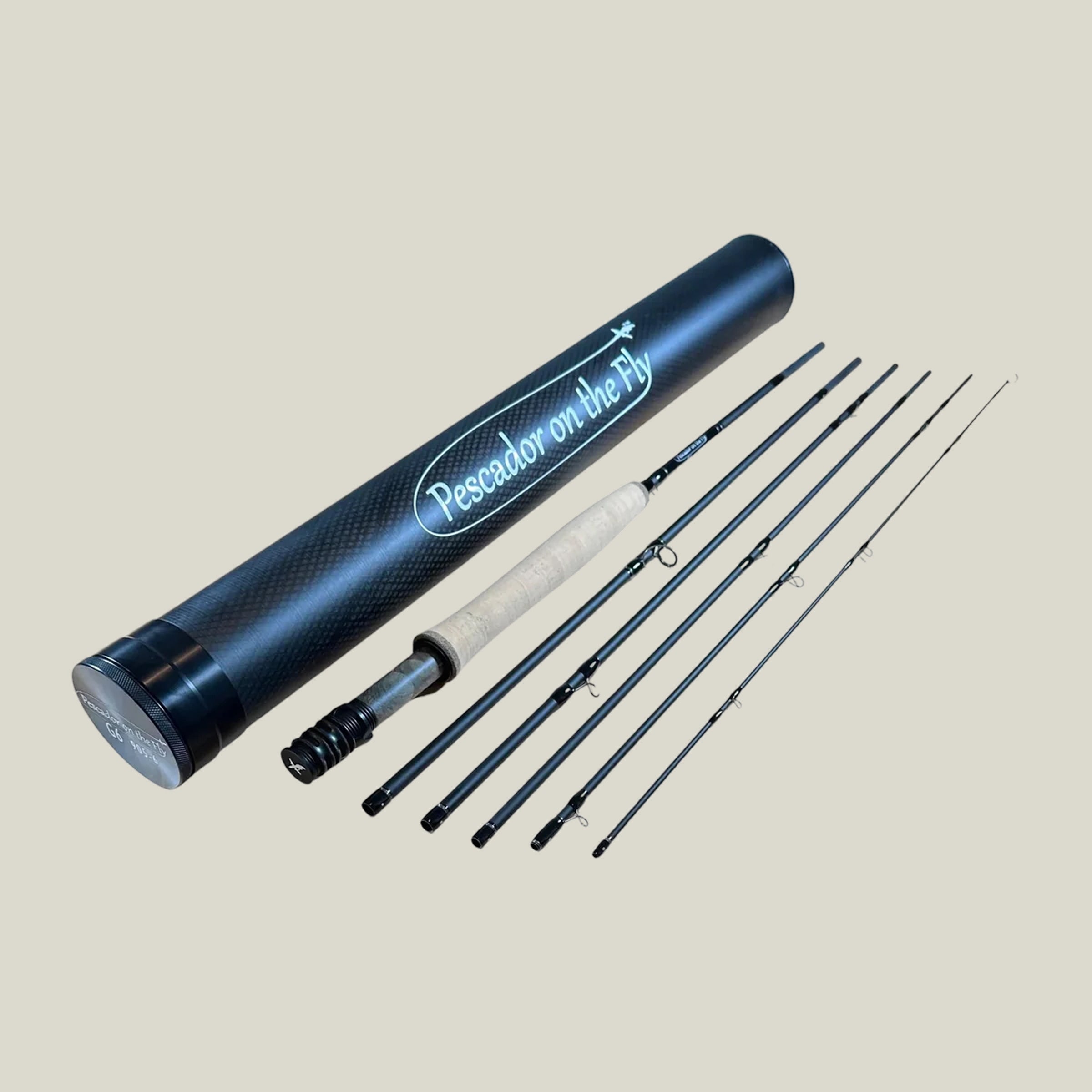
If you're flying in, El Rey G6 six-section travel rods fit inside a carry-on and cast like a 4-piece. They're built for rivers like this where you're covering water all day and the fish don't care about presentation as much as they do on spring creeks.
Waders are necessary through June and again in September and October. July and August can be wet-waded in most years, but bring waders if you run cold or plan to fish early mornings. Polarized sunglasses, sun protection, and a good rain jacket round out the kit. Because the Big Hole is undammed, flows change with weather and runoff. Check USGS stream gauges before your trip rather than relying on a calendar date.
Conservation & Regulations
The Big Hole is the last habitat in the contiguous United States for native fluvial Arctic grayling, and grayling must be released immediately under mandatory catch-and-release rules. In hot, low-water years, Montana Fish, Wildlife & Parks imposes time-of-day and full closures to protect trout. Hoot-owl restrictions prohibit fishing from 2 p.m. to midnight daily when water temperatures reach 73 degrees or higher for three straight days. Trout can die when temperatures reach 77 degrees. Full fishing closures prohibit all fishing when flows drop very low, historically below 100 cubic feet per second on certain reaches. These restrictions have recurred in multiple recent years on specific reaches and can escalate through the season. Always verify current status directly with Montana Fish, Wildlife & Parks before a trip.
The river is less crowded than the Madison or Yellowstone, and the fish tend to be less selective as a result. But pressure concentrates around fixed access points, so the best fishing is often found either upstream or downstream from designated access. Tread lightly on private land, respect closures, and handle fish quickly in warm water.
Photo: Roger Peterson, U.S. Forest Service (Beaverhead-Deerlodge National Forest), public domain, via Wikimedia Commons.


.jpg)
.jpg)

Leave a comment
All comments are moderated before being published.
This site is protected by hCaptcha and the hCaptcha Privacy Policy and Terms of Service apply.