



At a Glance
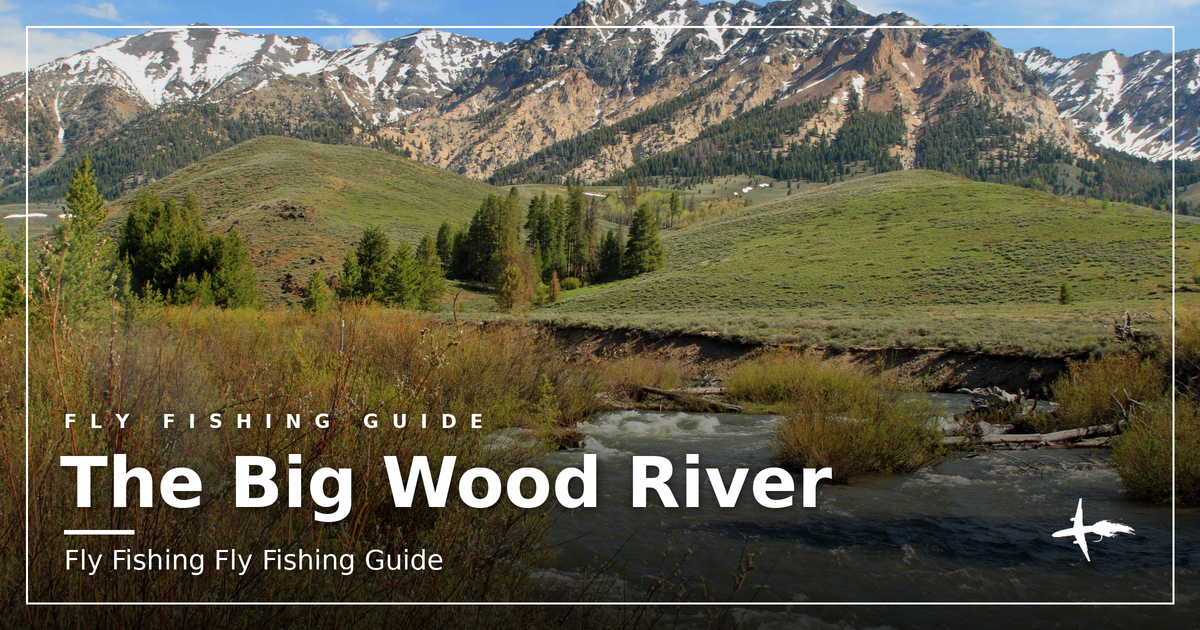
The Big Wood River is a 137-mile freestone stream flowing south from the Sawtooth Mountain Range through Idaho's Wood River Valley. Named for the cottonwood trees along its banks, this wild trout fishery offers some of the highest densities of fish per mile for a river of its size. Big Wood River Fly Fishing draws anglers to classic freestone water—riffles, runs, and pools—sized perfectly for walk-and-wade fishing. The river is too small to float and yet accessible enough to explore on foot almost everywhere you'd want to fish it.
The Big Wood flows through Sun Valley and Ketchum, continues past Hailey and Bellevue, and eventually reaches Magic Reservoir. Highway 75 parallels much of the river with excellent public access throughout. The upper river above Ketchum features faster pocket water. The most popular stretch between Ketchum and Bellevue offers a mix of riffles, runs, and pools with good populations. Below Bellevue, irrigation demands can affect conditions, and the final section is the tailwater below Magic Reservoir.
There is no stocking on the main Big Wood River. Every trout you catch will be wild, noted for spectacular coloration.
The Trout
Rainbow trout are the most abundant species, inhabiting virtually all 137 miles of the river. Recent biological surveys found rainbows comprise 88% of the trout population, with a total abundance estimated at 1,736 rainbow trout per kilometer. In the upper river they tend to run small, but rainbows in the Sun Valley section average 12 to 14 inches, and individuals over 18 inches are frequently landed. Wild rainbows here display the large white-tipped fins typical of their origin, and genetic research has concluded that many show very little sign of hatchery genetics, representing a unique lineage of redband trout.
Brown trout are present in the lower stretches, particularly below Bellevue and in the Magic Reservoir tailwater. They reach sizes comparable to rainbows and comprise about 6% of the trout population. True giants are rare.
Brook trout are occasionally found in higher elevation tributaries and headwaters, representing about 1% of the trout population. Some beautiful brook trout hold close to the Big Wood's headwaters.
Mountain whitefish are also present, and some healthy cuttbows—rainbow-cutthroat hybrids—show up in catches.
Best Seasons
Summer is the most popular season, with stable weather and prolific hatches ideal for dry fly fishing from June through August. Late June through July is considered one of the best dry fly fishing periods in the Northwest. The Big Wood can fish especially well in June and July, and summer months bring prolific PMD and caddis hatches when water temperatures remain ideal for active trout feeding.

Fall is considered the best season for wading anglers. Cooler temperatures and lower water levels offer excellent wading conditions from September through November, and trout are active in preparation for winter. Red quills and BWOs are thick during this period.
Winter brings an opportunity few western rivers offer. The Big Wood has long been popular during winter for catch-and-release trout fishing—it rarely freezes, and on the right day you can catch trout on dry flies. The river is slowly becoming known as one of the most productive winter fisheries in the western United States, offering dry fly action as well as nymphing and streamer opportunities. Winter brings peace and solitude unlike the busy summer months.
The worst season is spring runoff. The river is closed in April and May—most stretches from April 1 through Friday before Memorial Day weekend. When there is a deep winter snowpack, runoff can last until near the end of June. The Big Wood is affected by winter snowpack and runoff, but usually drops and clears by mid or late June. In a heavy snow year, it may not become fishable until July.
Hatch Calendar
January Through March
Midges hatch year-round in sizes 18-24 and are prolific during winter. The Big Wood is fishable almost year round, and winter months can be some of the most productive. The river is open every month of the year except April and May. Some stretches have catch-and-release regulations from December 1 through March 31.
April and May
The Big Wood is closed in April and May. The closure applies to most stretches from April 1 through Friday before Memorial Day weekend.
Late May and June
Blue-winged Olives are about the most consistent hatches that occur, starting in March and lasting until mid June in sizes 16-22.
Green Drakes hatch starting around the first of June and can last until mid July, in sizes 8-12. These are a highlight when runoff subsides.
Golden Stoneflies hatch in sizes 8-12 from June 1 to July 31. Summertime is when the big stoneflies hatch and is the most popular time to fish the river.
The Pale Morning Dun hatch starts occurring about the middle of June and can last through the month of July, in sizes 14-18. This is one of the most important hatches of the season.
Spotted Sedges (caddis) typically hatch from June to August in sizes 14-18.
Yellow Sallies appear in sizes 12-16 from June 15 to July 15.
July and August
PMD and caddis hatches remain prolific and consistent from June through September when water temperatures remain ideal for active trout feeding.
The smaller Western Green Drakes or Flavs start hatching about the first of July and last until the middle of August, in sizes 12-14.
Caddis of various species hatch in sizes 12-18 from June 15 to August 15. Green Sedges hatch from July to October in sizes 12-16.
Terrestrials work well in summertime because of the cottonwoods and other vegetation. Hoppers are effective in sizes 6-12 from July 1 to September 30, along with ants in sizes 12-16 and beetles in sizes 10-14. Rainbow trout gather at mayfly hatches in the daytime and caddis hatches in the evening.
Tricos begin hatching in the slow to moderate sections of the Big Wood River in mid August and can last through September, in sizes 20-24.
Great Red Quills hatch from mid August through September, in sizes 14-16.
September Through November
Fall is considered the best season on the Big Wood, when red quills and BWOs are thick.
Blue-winged Olives hatch again during the fall months of September through the first part of November, in sizes 16-22. This is arguably the most important mayfly hatch on the river overall.
Mahogany Duns start hatching the first of September and can provide good fishing for the entire month, in sizes 16-18.
Tricos continue into September in sizes 20-24, and Great Red Quills remain active in sizes 14-16.
Green Sedges continue from July through October in sizes 12-16.
Flies and Tactics
The Big Wood's conditions are equally accommodating to nymphing and dry fly fishing, though nymphing is more consistently effective. The rainbows and brown trout have a lot of food to choose from and can be very picky at times, with lots of aquatic insects and plenty of baitfish and sculpin. Matching the hatch is often necessary for success.
Dry Flies
Blue-winged Olives are arguably the most important mayfly hatch. A Sparkle Dun or Comparadun in size 16 is a reliable choice for PMDs during the Pale Morning Dun hatch from mid-June through July.
Green Drakes in sizes 8-12 are essential in June and early July. The smaller Western Green Drakes or Flavs in sizes 12-14 work from July into August.
For hoppers, Dave's Hopper or Parachute Hopper in sizes 8-12 are recommended from July through September. Size 6 to 10 Hoppers and size 12 to 16 foam Black Ant patterns are effective in summer, along with beetles in sizes 10-14.
Midge patterns in sizes 18-24 are essential for winter fishing and work year-round.
Nymphs
When trout aren't rising, nymphing is the way to go. Traditional patterns—Hare's Ear, Copper John, Pheasant Tail, Prince Nymph—can be effective in sizes 14 to 18.
Particularly effective on the Big Wood River are the Caddis Pupa and Green Rockworm nymphs, which mimic the bright-green larva and pupa of the Green Sedge caddisfly. These are essential in late summer and early fall.
Streamers
Some of the larger trout in the Big Wood River also dine on minnows regularly, so Sculpins or Muddler Minnows in sizes 6 to 12 are recommended, especially in winter and when targeting bigger fish.
Where and How to Fish It
The Big Wood is too small to float, and all fishing is done by wading. The river is small enough to wade most everywhere, making it a walk-and-wade stream that leaves even the most popular sections to anglers willing to explore.

There are many miles of river to fish with very good access points along the river's entire length. Highway 75 parallels much of the river with numerous pullouts. The entire watershed has excellent public access, even when it flows through resort neighborhoods in Ketchum and Hailey.
Above Ketchum
The area above Ketchum features faster pocket water with smaller trout, ideal for anglers seeking solitude.
Ketchum to Bellevue
Between Ketchum and Bellevue is the most popular stretch, offering a mix of riffles, runs, and pools with good rainbow trout populations. The Big Wood River flows directly through the city of Ketchum, where there are numerous riverside parks and public access sites. Below Ketchum the river through Hailey is wider with more braided channels and excellent evening dry fly opportunities. Large brown trout move into shallow riffles during PMD and caddis hatches in summer. Multiple public access points along the Hailey stretch make logistics easy.
Below Bellevue
Below Bellevue, the river can be affected by irrigation demands but holds brown trout and is worth exploring when water levels are sufficient. Irrigation for agricultural needs can drain the lower end of the stream of much of its water, affecting water temperatures and fishing.
Magic Reservoir Tailwater
The final section of the Big Wood River is the tailwater below Magic Reservoir. Conditions below the dam depend heavily on the amount of snowmelt and how much of the river has been diverted for irrigation, but an excellent tailwater fishery is available when conditions permit.
Flow Conditions
Ideal flow ranges are 100–500 CFS for most sections. The Ketchum section fishes best at moderate flows of 100–400 CFS after runoff—summer and fall are prime.
Under 100 CFS means low water with technical fishing and spooky fish. Flows of 100-300 CFS provide ideal wade fishing with good visibility. At 300-600 CFS, higher flows mean nymphing is productive. Over 600 CFS means runoff conditions.
In drought years, flows can resemble winter lows even in summer, with fish concentrated in deeper pools and limited holding water.
Gear for the Trip
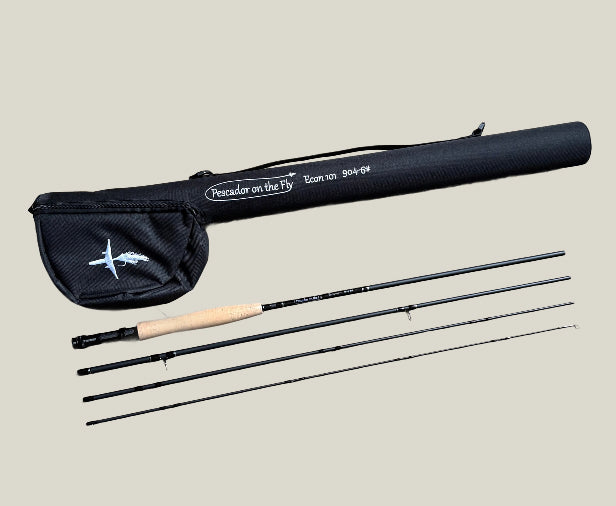
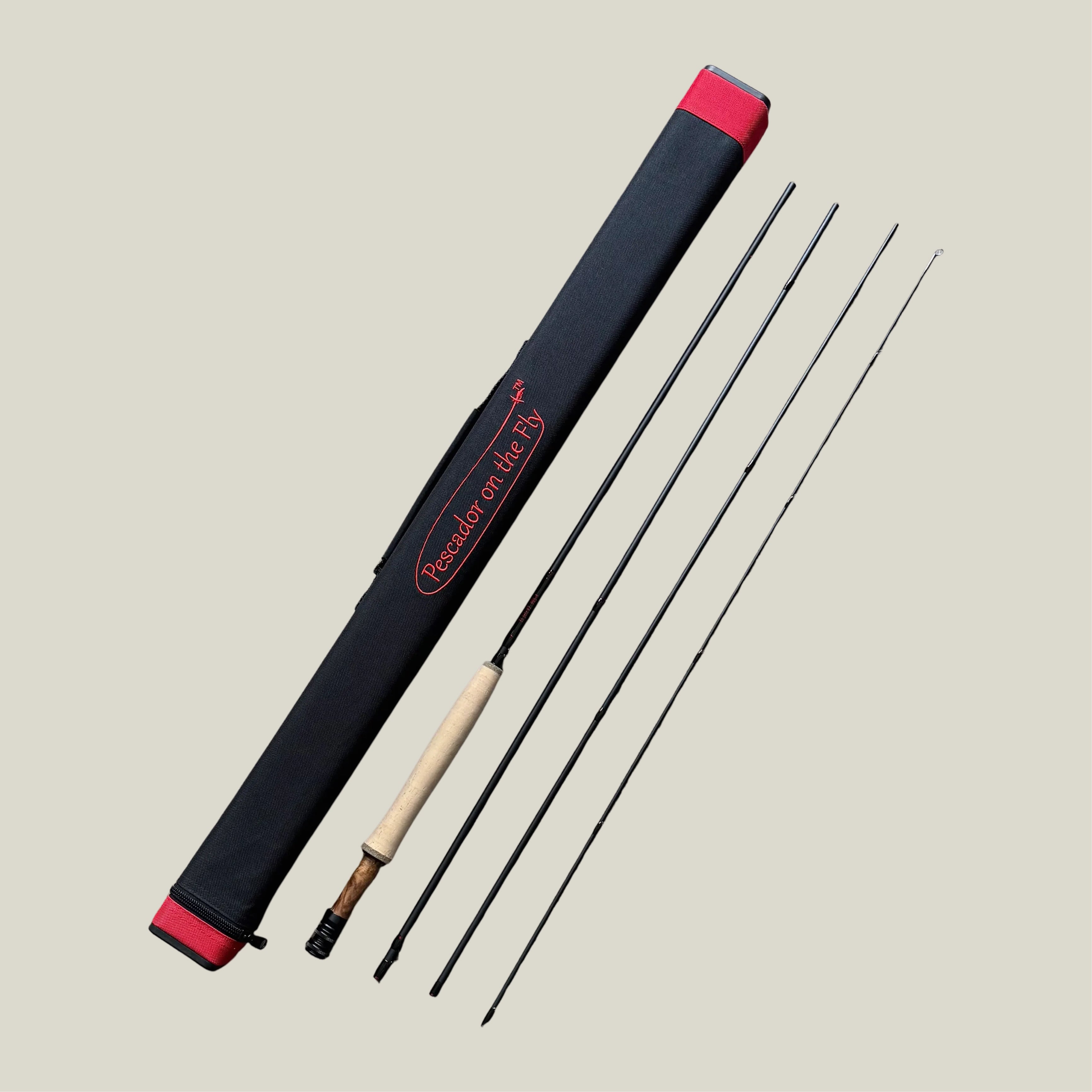
A 9-foot, 4- or 5-weight rod handles most situations on the Big Wood. The 4-weight is ideal for dry fly fishing during hatches and in pocket water, while a 5-weight provides a bit more backbone for nymphing rigs and streamers when targeting larger fish.
Weight-forward floating lines work for nearly all conditions. Pack a selection of leaders from 9 to 12 feet, with 4X to 6X tippet for most dry fly work and 3X to 5X for nymphing. During midge hatches in winter or Trico hatches in late summer, you may want 6X or even 7X for technical presentations to selective trout.
Chest waders are recommended most of the year, though you can get by with hip waders in summer low water if you stay in the shallows. Felt or rubber-soled wading boots with good ankle support are essential—the Big Wood has slippery rocks. A wading staff helps in higher flows.
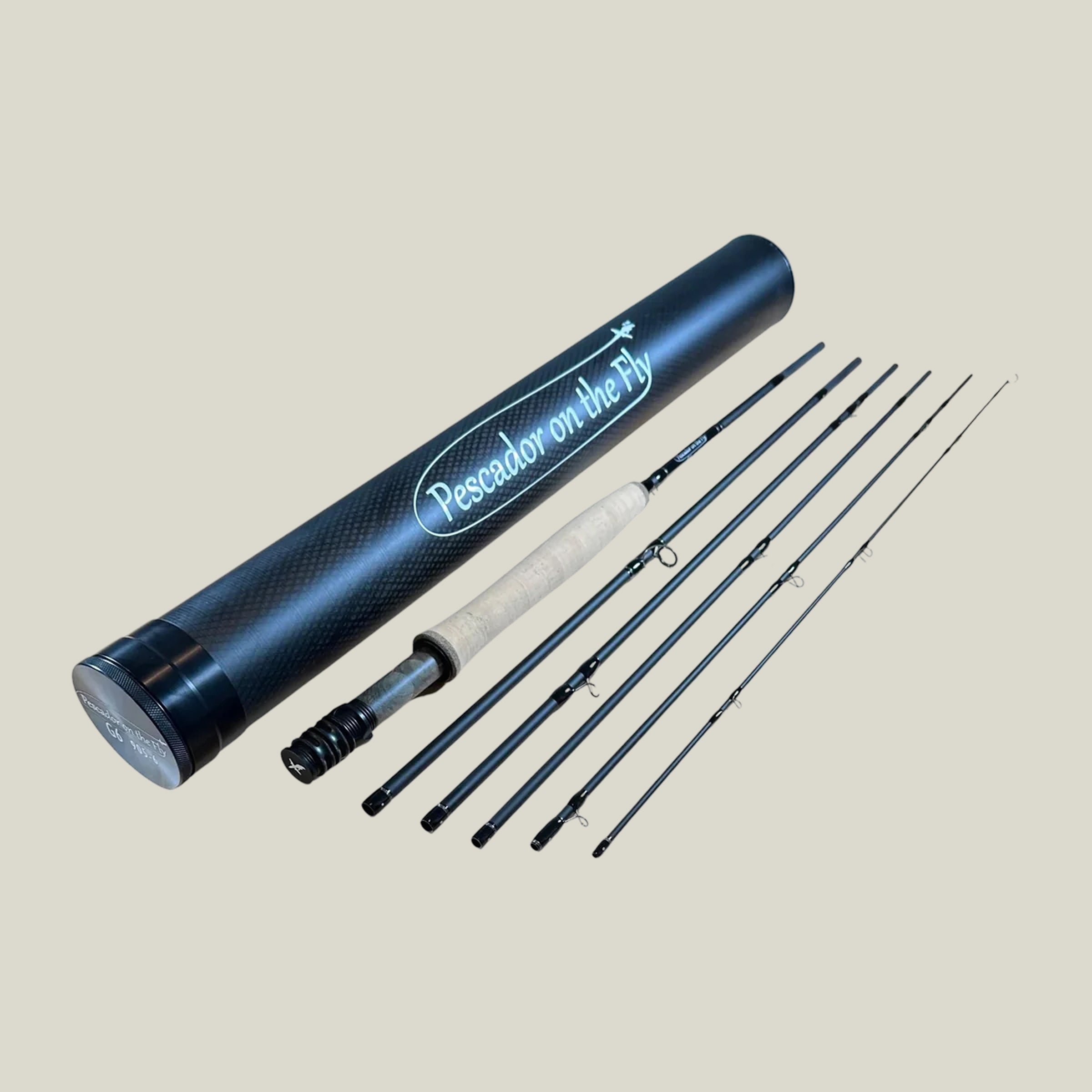
If you're traveling to the Big Wood from out of state, consider the El Rey G6 six-section travel rods that pack down small enough to check in standard luggage. They cast true to weight and hold up to the demands of western freestone fishing.
Carry a selection of strike indicators, split shot, and tippet spools. A small fly box with BWOs, PMDs, caddis, hoppers, and terrestrials will cover dry fly situations. For nymphs, stock Hare's Ears, Pheasant Tails, Copper Johns, Prince Nymphs, Caddis Pupae, and Green Rockworms in sizes 14-18. Include a few Sculpins or Muddler Minnows in sizes 6-12 for streamer work.
Polarized sunglasses are essential for spotting fish in the clear water. A net, forceps, nippers, and floatant round out the basics. In summer, carry sunscreen and a hat. In winter, layer up—even mild days can turn cold fast in the mountains.
Conservation and Regulations
An Idaho fishing license is required for all anglers aged 14 and over. The general season runs from Memorial Day weekend to the end of November, with some areas open year-round for catch and release.
Regulations vary by section. Most areas are closed April 1 through Friday before Memorial Day weekend, then open Saturday of Memorial Day weekend through November 30 with a trout limit of 6. Some stretches have catch-and-release regulations from December 1 through March 31.
Between Glendale Road Bridge and Highway 75 Bridge near milepost 122.2, the limit is 2 trout with none between 12 and 16 inches from Memorial Day through November 30. One stretch has artificial-only, barbless-hook, catch-and-release regulations year-round where open.
A good portion of the Big Wood is catch and release, with other areas having a two-fish kill limit. Anglers should consult current Idaho Department of Fish & Game regulations for specific boundaries and rules before fishing.
The Big Wood River is entirely wild with no stocking on the main river. Practice catch and release to preserve this exceptional fishery. Handle fish gently, keep them in the water as much as possible, and use barbless hooks to minimize injury. When water temperatures are warm in late summer, play fish quickly and release them promptly to reduce stress.
Respect private property and stay within public access areas. The proximity to Sun Valley brings pressure, so anglers should be prepared for crowds, especially on weekends. Be courteous to other anglers and give them space.
Hero photo: Frank Kovalchek, CC BY 2.0, via Wikimedia Commons.


Leave a comment
All comments are moderated before being published.
This site is protected by hCaptcha and the hCaptcha Privacy Policy and Terms of Service apply.