



At a Glance
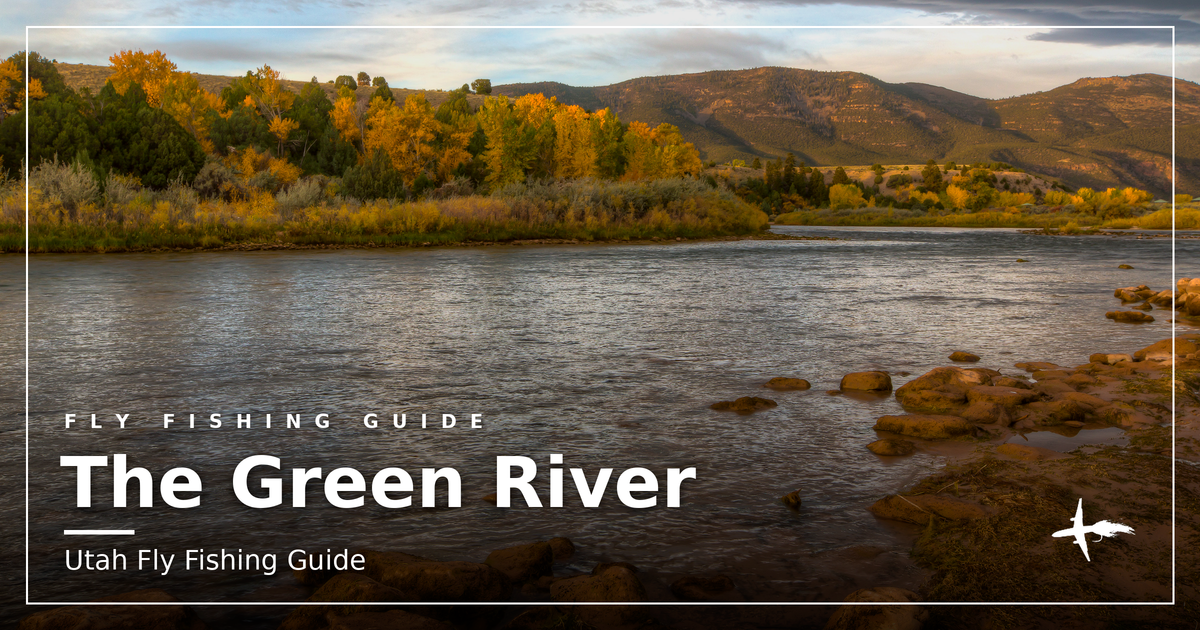
The Green River below Flaming Gorge Dam in northeast Utah is one of North America's premier tailwater fisheries. The dam, completed in the early 1960s, transformed 28 to 30 miles of river into blue-ribbon trout water that fishes well year-round. Water releases from the reservoir keep temperatures steady at 48–52°F near the dam, regardless of season.

The river breaks into three distinct sections. Section A runs 7.6 miles from the dam through Red Canyon to Little Hole and holds trout densities of 8,000 to 22,000 fish per mile. Section B flows 9 miles from Little Hole through remote canyon to Indian Crossing. Section C meanders 12 to 14 miles through Browns Park National Wildlife Refuge to the Colorado border. Average trout size across the system is approximately 17 inches, with rainbows and browns commonly running 15–17 inches.
The Green River Utah Fly Fishing experience centers on consistent tailwater conditions, world-class hatches, and the option to wade productive riffles or float miles of backcountry water. Fishing is restricted to artificial flies and lures only. No bait. No motorboats.
The Trout
The Green holds wild rainbow, brown, and cutthroat trout, plus cutbow hybrids where Bonneville cutthroat interbreed with rainbows. Mountain whitefish are also present.
Rainbow trout are the most abundant species below Flaming Gorge and feed aggressively. Eddies in Section A often hold hundreds of visibly feeding fish, many of them rainbows. They're found throughout the system but are most common just below the dam.
Brown trout average over 16 inches. Rainbows and cutthroat dominate near the dam; browns become more common downstream. Sections B and C hold larger browns with less angling pressure. Section C produces the biggest browns—fish in the 25- to 30-inch range—for anglers willing to trade numbers for size and solitude.
Cutthroat trout are present throughout the river but are more common in the upper sections.
Best Seasons
Spring and fall are widely considered the best dry fly fishing of the year on the Green, thanks to prolific Blue Wing Olive hatches. May offers outstanding fishing with minimal river traffic in the period before high water. Summer brings the legendary cicada hatch and explosive topwater action from early to mid-July. Fall turns brown trout aggressive pre-spawn, and the BWO hatch rebuilds in September and October.

Winter fishing slows but remains consistent. Midges hatch even on the coldest days, flows drop to around 850 cfs, and you'll have the river mostly to yourself. The tailwater nature of the Green means it fishes year-round.
Hatch Calendar
January and February
Midges hatch year-round on the Green, and in winter they're often called snow flies because they emerge even on the coldest days. Hatches are extremely prolific—sometimes by the million—and generally occur during the warmer part of the day. Sizes run small, #20 down to #26, in dark colors: black, grey, cream.
Flows are typically low, around 850 cfs. Winter is a great time to fish streamers, small nymphs, and midge dry flies. You'll have the river mostly to yourself.
March
Trout become eager to feed on larger Blue Wing Olive mayfly nymphs as water begins to warm slightly. BWOs start to hatch in late March. Terrestrial insects begin to appear—grasshoppers are commonly seen by April.
April
The BWO hatch peaks in late April. American Grannoms, or Little Black Caddis, start hatching in April; more than one species is present and the hatch lasts into August, but it isn't normally heavy except for a short period in late April.
The famous Mother's Day Caddis emergence begins in late April and continues into May. This is Utah's most broadly distributed caddis hatch on the Green River.
May
May offers amazing opportunities to hit the first terrestrial dry fly fishing of the year. The period before the onset of high water offers outstanding fly fishing with minimal river traffic. The BWO hatch ends in late May. The Mother's Day Caddis emergence continues through May.
June
Pale Morning Duns start hatching in June and last into mid-August. Notable hatches include caddis, PMD mayflies, and Yellow Sally stoneflies.
July
The Green River is world famous for the prolific cicada hatch. Early to mid-July offers the chance to catch the tail end of the cicada hatch, along with peak activity of Yellow Sally stoneflies, caddis, and PMD mayflies. This is explosive topwater fishing.
August
PMDs continue into mid-August. Tricos hatch in late July, August, and September, mostly in the lower section of the river. Little Black Caddis hatches continue through August.
September
BWOs are bi-brooded and hatch again beginning in September. The fall BWO hatch builds through September, especially on overcast afternoons. Tricos continue in the lower sections.
October and November
BWOs continue through October and early November. Brown trout become aggressive pre-spawn. Fall spawning peaks in November, and streamers are especially effective during this period. This is widely considered some of the best dry fly fishing of the year on the Green.
December
Midges return as the primary hatch. Flows drop. Fishing slows but extends throughout winter; trout continue to feed, albeit at a slower rate.
Flies & Tactics
Winter: December Through February
Fish small nymphs, midge dry flies, and streamers. Midges in #20–#26, black, grey, and cream. Griffith's Gnat #18–22 for midge clusters. Zebra Midge #18–24 for morning and afternoon hatches. Jujubee Midge #20–24. Tungsten Zebra Midge #16–20 in brown, wine, purple, and black.
Fish are holding in winter runs; nymph rigs around 9 feet deep have been most effective.
Spring: March Through May
BWO patterns are essential. Parachute Adams #16–18. BWO Cripple Patterns #16–20. Beefus BWO Emerger #18–22. Pheasant Tail nymphs #18–22.
In late April and May, switch to caddis patterns. Elk Hair Caddis #14–18. Grey Soft Hackle #22.
Terrestrials appear in March; by May you can fish ants, beetles, and hoppers. Chernobyl Ant black or brown #2–16. Fat Albert tan or black #4–14. Bionic Ant black or brown #8–18.
Summer: June Through August
PMD Comparaduns #16–18 cover the main mayfly hatch. Elk Hair Caddis #14–18 for caddis activity.
Cicadas #8–10 in early to mid-July. This is the hatch the Green is famous for. PMX Parachute Cricket #12–18 and PMX Cricket black #8–10 also work during the cicada period.
Yellow Sally stonefly patterns in June and July. Tricos #20–22 in late July and August, mostly in the lower section.
Terrestrials: Fat Albert tan or black #8–14, Chernobyl Ant #2–16, Bionic Ant #8–18.
Fall: September Through November
BWOs return. Parachute Adams #16–18, BWO Cripple Patterns #16–20, Beefus BWO Emerger #18–22. Pheasant Tail nymphs #18–22.
Streamers become especially effective during the brown trout spawn in November. Galloup's Mini-Flatliner, Flash a Bugger, Baby Gonga tan, El Sculpito tan, Cheech Leech articulated in all colors, Complex Twist Bugger all colors, Tungsten Jig Bugger, Kreelex, Galloup's Dungeon articulated in all colors. Wooly Buggers in black, gold, white, and olive #4–8.
Year-Round Nymphing
The standard Green River rig: a larger lead fly—San Juan Worm #10 or Pat's Rubber Legs #8—with a smaller dropper trailing 12 to 18 inches behind: zebra midge #22 or RS2 #22. Use 4X fluorocarbon to the lead fly, 5X to 6X to the dropper.
Scuds and sowbugs are among the most plentiful trout foods in the tailwater; trout feed on them year-round. Scuds #20–22 in orange, grey, and olive. Miracle Nymph #20–22.
The San Juan Worm fished as the point fly in a two-nymph rig accounts for an enormous percentage of the fish caught throughout the season on the A section.
Where & How to Fish It
Section A: Dam to Little Hole

The 7.2-mile A section is the Green River's calling card and one of the most famous tailwaters in the world. Often referred to as the Aquarium Section, it holds the most fish and sees the most fishing pressure. High trout densities, a breathtaking canyon, and crystal clear water make it world famous.
Section A is a wade-fisherman's paradise. Trails and an elevated boardwalk guide waders toward famous feeding zones like Lunch Counter, Secret Riffle, and the Black Lagoon. This is where you'll find eddies with hundreds of fish visibly feeding.
This section also sees the most angling pressure.
Section B: Little Hole to Indian Crossing
The B section flows 9 miles into Browns Park, ending at the Indian Crossing boat ramp. It's perhaps the most remote of the three sections. The first four miles before Red Creek are fairly similar to Section A, with large rock walls, deep holes, and swirling back eddies that create great conditions for dry fly fishing.
Red Creek flows into the Green with muddy water at times, which can make the lower section unfishable when this occurs.
Access to B is limited to boat and gravel road. Fishing pressure is lower than Section A.
Section C: Indian Crossing to Colorado Border
The C section begins at Indian Crossing Boat Ramp and meanders for 12 to 14 miles through the Browns Park National Wildlife Refuge to the Colorado state line. Six takeouts provide several float trip and river access options. The river passes through two short canyon sections: Little Swallow and Swallow Canyon.
Although the fish count is quite a bit lower here than in other sections, year in and year out, this is where the river's largest fish can be found. At certain times, particularly with terrestrials, dry fly fishing can be the most effective method. Ants and beetles tend to outperform hoppers.
Access is limited and the float is long, typically 5 to 6 hours. Fishing pressure is lowest in Section C. Those willing to put in a little effort can find fewer people and bigger fish.
Wading vs. Float
Wade fishing is best on Section A, where the maintained trail provides walk-in access to 7 miles of water. No motorboats are allowed, so drift boats are the preferred method of transportation down the river.
Access to B and C is limited to boat and gravel road.
Gear for the Trip
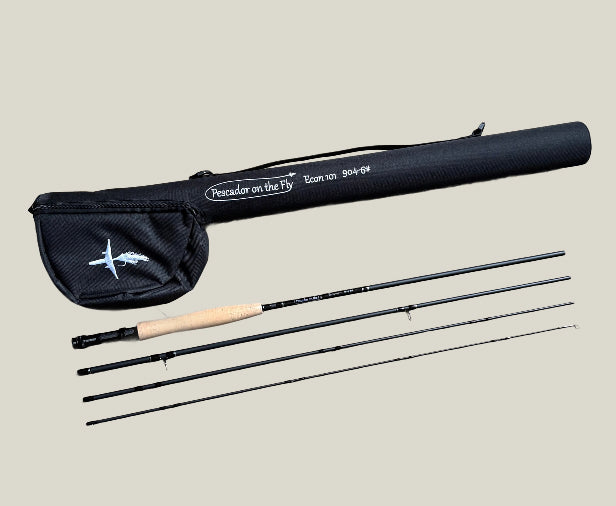
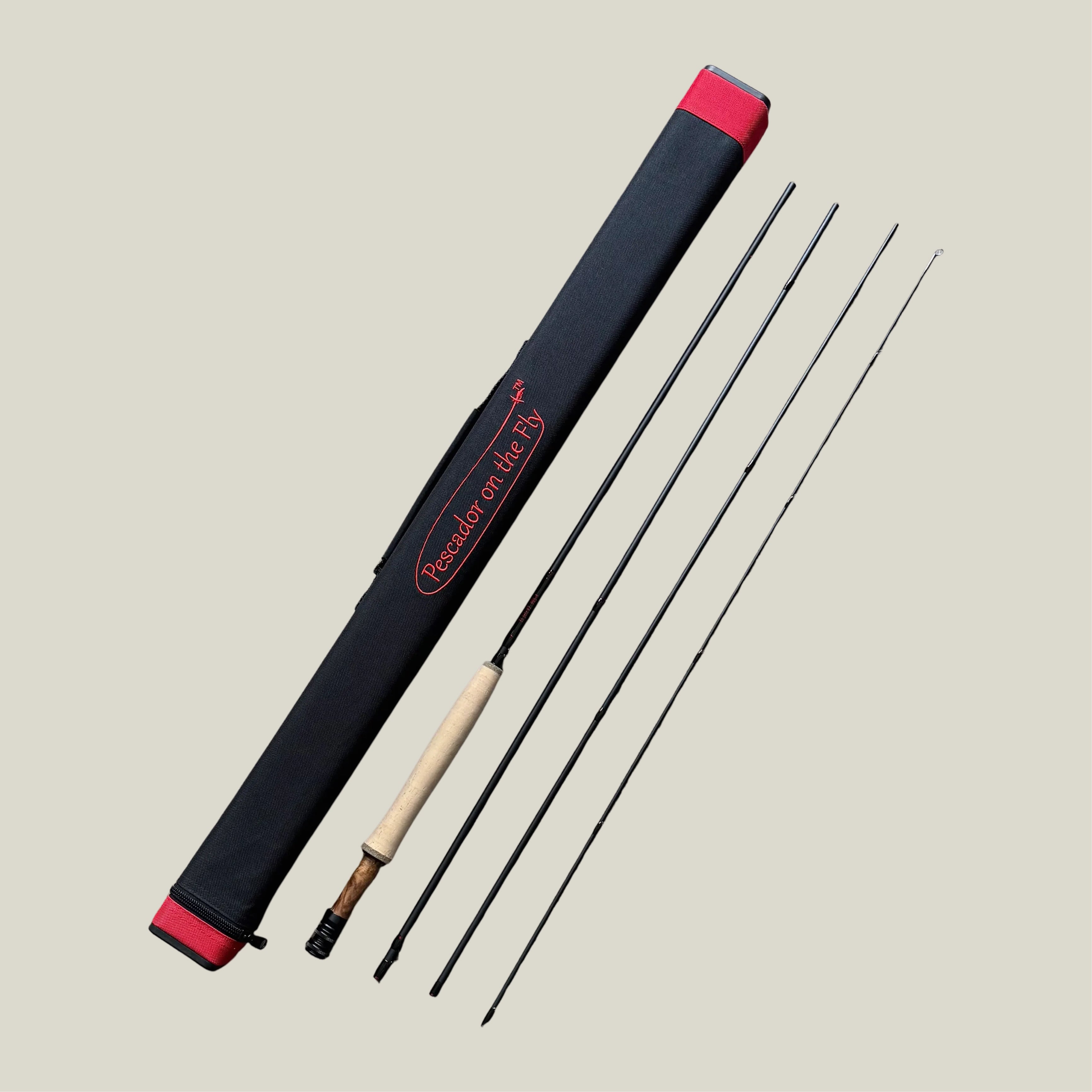
A 9-foot 5-weight is the standard trout rod for the Green. It handles the nymph rigs, dry flies, and moderate streamers you'll fish most of the year. If you're planning to focus on streamers during the fall brown trout spawn, a 6-weight gives you more authority.
Bring 4X, 5X, and 6X fluorocarbon tippet for nymph rigs. The standard Green River rig uses 4X to the lead fly and 5X or 6X to the dropper.
Waders and wading boots are essential if you're fishing Section A on foot. The maintained trail and boardwalk make access easy, but you'll be in the water.
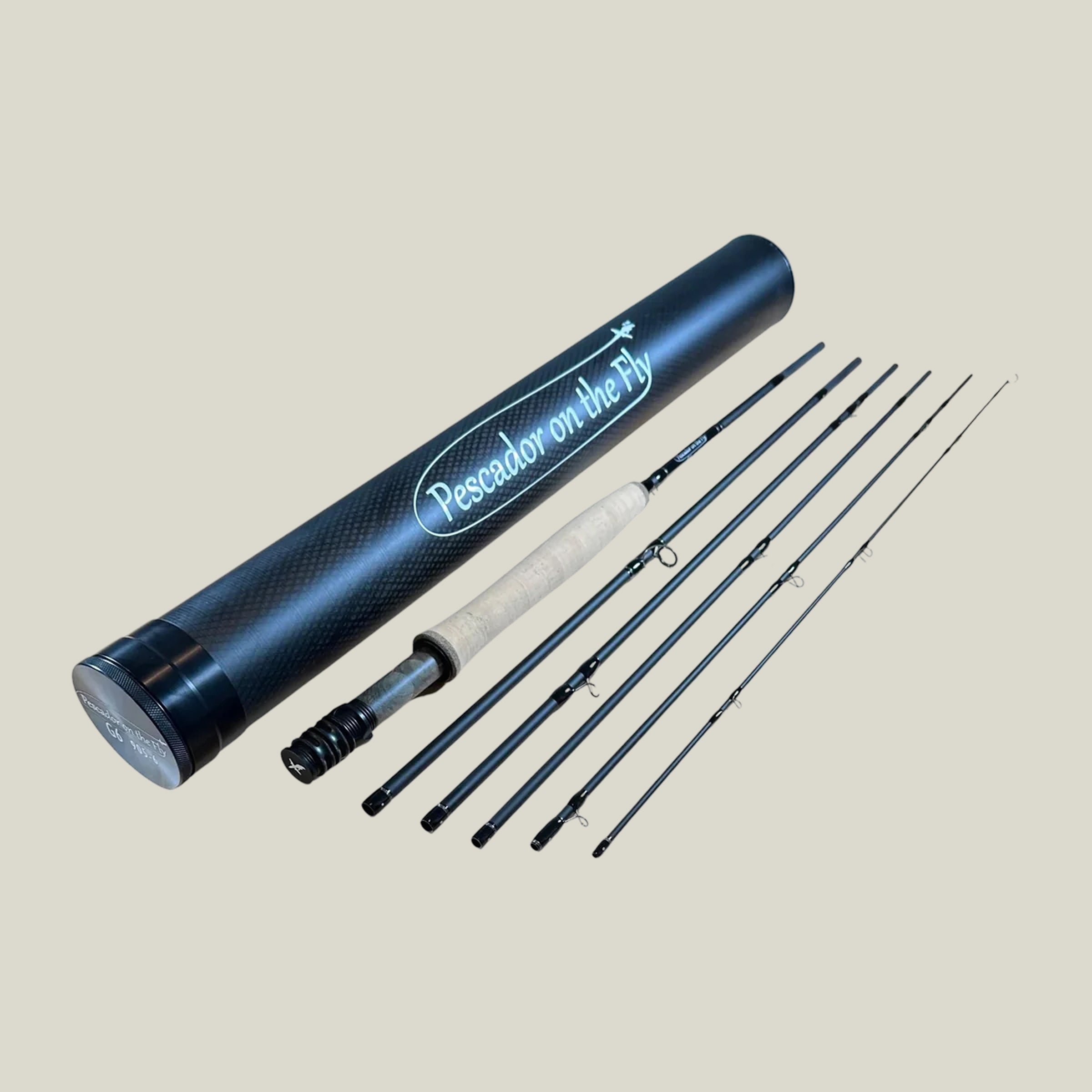
If you're traveling to the Green from out of state, pack El Rey G6 six-section travel rods that fit in a carry-on and fish like a full-length rod when assembled.
Dry weather allows the entire 30 miles below Flaming Gorge Dam to be crystal clear most of the time. Polarized sunglasses are essential for spotting fish in the clear water.
Flows can fluctuate. Recent reports show flows of 900 cfs daily to 2,600 cfs evening and nightly. Flow information may be obtained by calling (801) 539-1311.
Conservation & Regulations
Anyone age 12 and older who wants to fish Utah waters needs a valid license. A Utah fishing license is required and may be purchased online, at a partner retail store, or at a Utah DWR office. You can store your fishing license on your phone with the Utah Hunting and Fishing app.
Fishing in the tailwater below Flaming Gorge Dam is restricted to artificial lures and flies only. No bait.
At Little Hole, fish between 13 and 20 inches must be released. You may keep two fish under 15 inches and one fish over 22 inches. Throughout the system, catch-and-release is highly encouraged.
Permits are required only for commercial outfitters and guides floating the river. Permits are not required for private boaters from the Flaming Gorge Dam to the Crook Campground and takeout.
No motorboats are allowed on the river.
Hero photo: Bob Wick / BLM Utah, public domain, via Wikimedia Commons.


Leave a comment
All comments are moderated before being published.
This site is protected by hCaptcha and the hCaptcha Privacy Policy and Terms of Service apply.