



Euro nymphing is a tight-line nymphing technique built on a single idea: stay in direct contact with your flies. No strike indicator, no slack, no guessing. You lead a pair of weighted nymphs through the strike zone on a long leader, keep a tight line straight to them, and set the instant you feel or see the take. Done well, it is the most effective way to fish nymphs in moving water — and it will put you on fish that other approaches drift right past.
It can look fussy from the outside. It isn't. Once the rig makes sense, it is actually simpler than fishing an indicator — and on most trout water it out-fishes one. This is the whole thing, start to finish: where it came from, the rod that makes it work, the line and leader, the flies, and the technique that ties it all together.
What euro nymphing is — and where it came from
The roots run deep. English angler G.E.M. Skues began developing tight-line nymphing back in the late 1800s, and in America the approach was carried forward by George Harvey and Joe Humphreys in the days of bamboo rods and cat-gut leaders. The modern name arrived around 2005, after Team USA competition anglers watched European teams dominate the FIPS-Mouche World Championships with it. So "euro" nymphing is really just tight-line nymphing — refined by people whose results depended on catching one more fish than the next angler on the bank.
The common thread across every version is contact. Instead of drifting a fly under a bobber and waiting to see it dip, you keep a tight, nearly straight line from your rod tip to the flies and read the take directly — by feel and by eye. That contact is where the extra fish come from, and it is what dictates the gear.
The rod: why length and line weight matter most
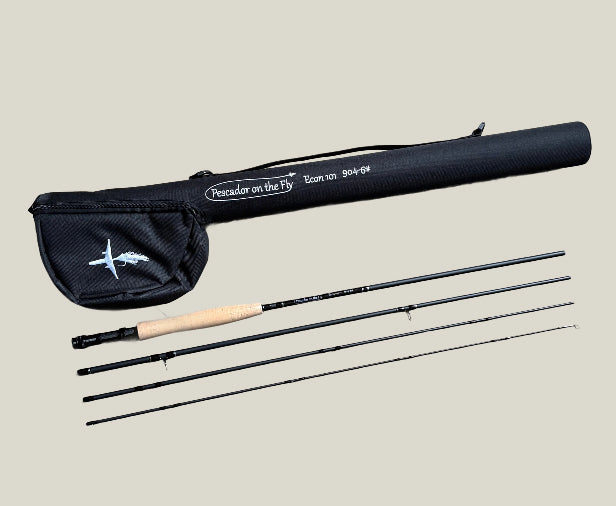
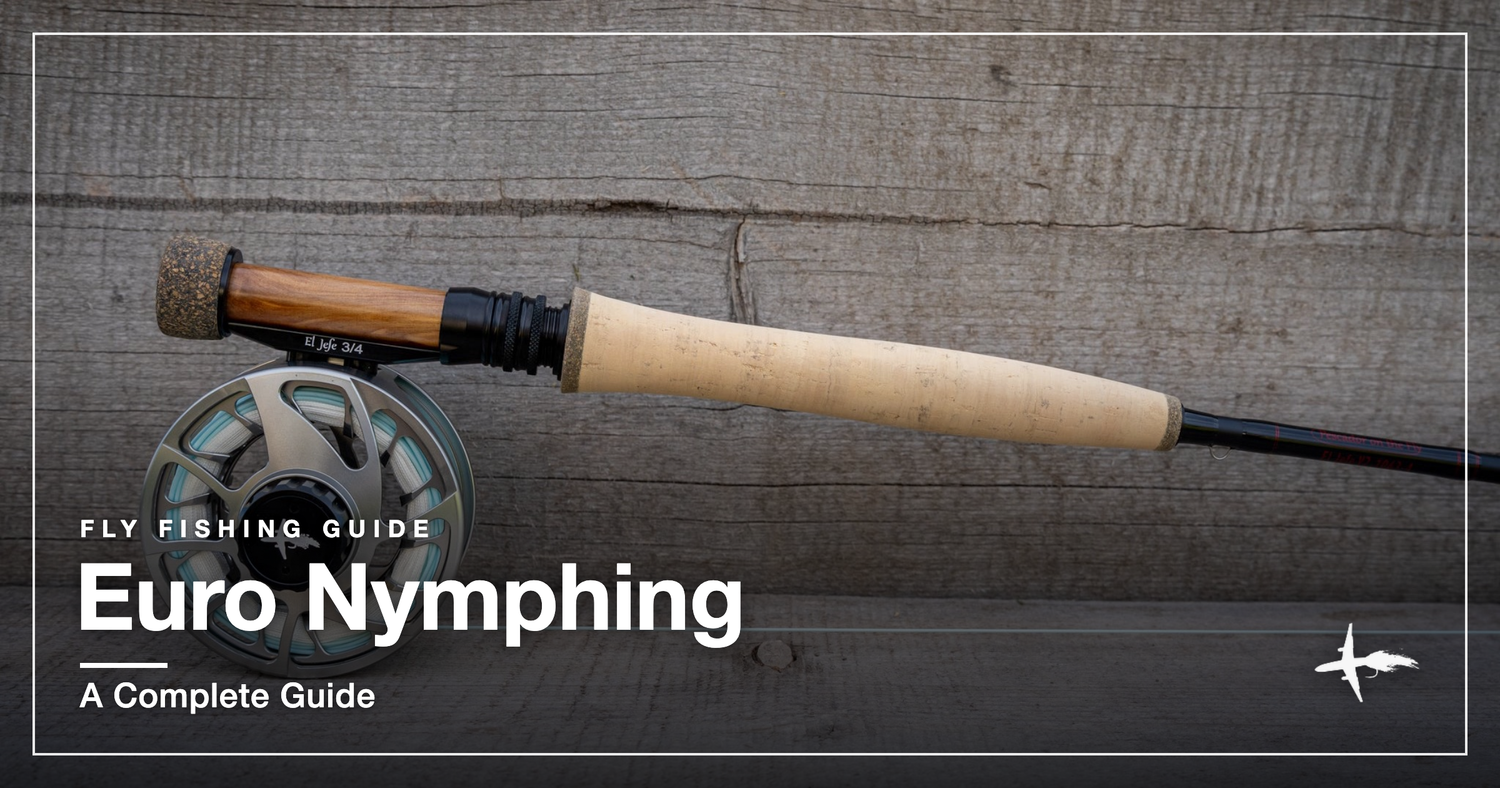
Euro nymphing is a rod-driven technique, which makes the rod matter more here than almost anywhere else in fly fishing. The standard is long and light — generally a 10- to 11-foot rod in a 2- to 4-weight. The extra length keeps more leader off the water and lets you hold a high rod angle to steer the drift; the light line weight gives you the soft, sensitive tip that both protects fine tippet and telegraphs the smallest strike. For all-around trout water, a 10'6" 3-weight is about as versatile as it gets — light enough for finesse, with enough backbone to pull a good fish up out of a deep run.
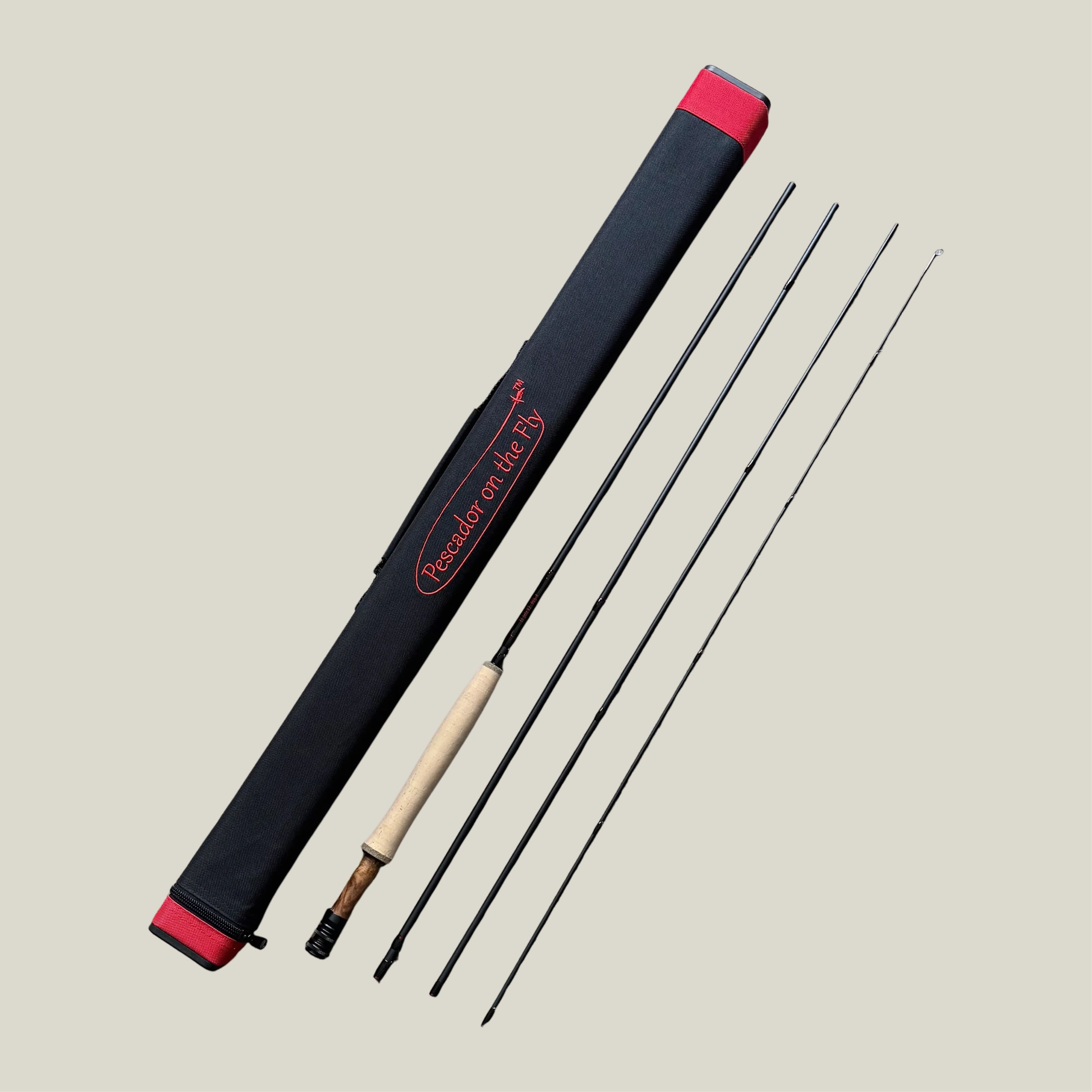
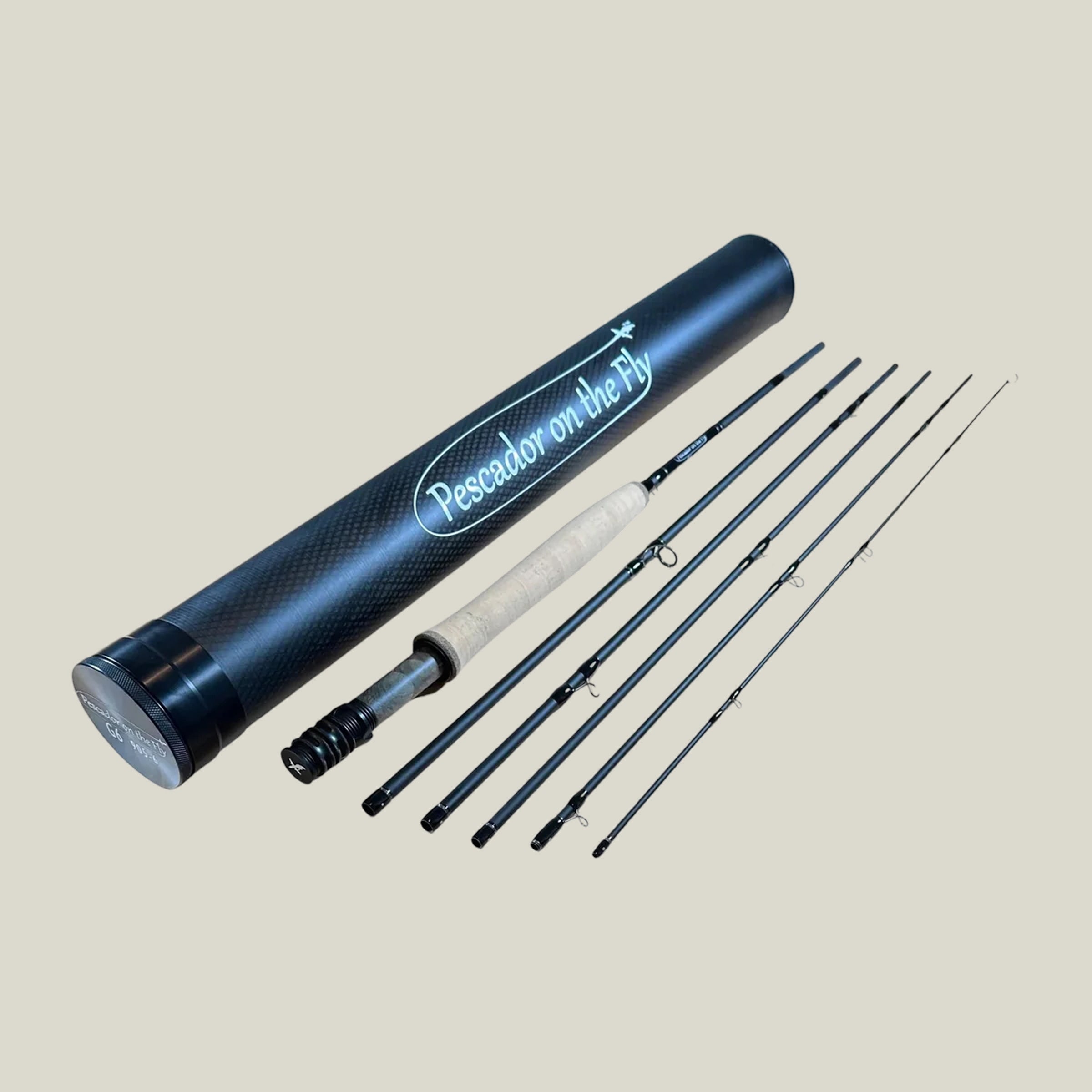
That is exactly why we built the El Jefe v2 10'6" 3-Weight — our longest rod, made specifically for this style. A euro rod is a bit of a paradox: the tip has to be soft enough to cushion 5X and 6X tippet and reveal a subtle take, but the lower rod needs real backbone to move a fish in current. A long, progressive taper is what makes both true at once — a soft, protective tip over a strong butt. One small detail that matters on a purpose-built euro rod: the first stripper guide sits up close to the grip, which reduces the slack between your hand and the line so you stay in contact through the whole drift.
Do you need a special fly line?
Short answer: no. You can euro nymph with a standard weight-forward floating line — the kind that comes pre-spooled on most reels, including ours. Because you keep the fly line up off the water and let the long leader do the work, the line's taper matters far less than it does in normal casting. A dedicated euro or mono line is thinner and sags less, so it buys you a little extra sensitivity, but it is an upgrade, not a requirement. Start with the line you already have and a good leader — that combination catches fish.
The euro leader and rig
The leader is the real engine of euro nymphing, and it is longer than what most anglers are used to — generally 12 to 20 feet, built to turn over light flies and telegraph a take. You can buy a pre-made euro leader off the shelf, or build your own; from the fly line down, a typical setup looks like this:
- Butt section — a stiff monofilament like 20 lb Maxima Chameleon, roughly 12–15 feet, that casts and turns the leader over.
- Transition — a short (about 3-foot) piece of memory-free mono, such as Sunset Amnesia, easing from the stiff butt down toward the thin sighter.
- Sighter — an 18–24 inch section of bright, two- or three-color monofilament. More on this below.
- Tippet ring — a tiny connection point that lets you swap tippet without eating into the leader.
- Tippet — generally 4X to 6X fluorocarbon, sized to your flies and the water.
If building your own sounds like a lot, it doesn't have to be to get started. You can take a tapered leader like a RIO Suppleflex, trim it back to around 3X, add a couple feet of bright sighter material with a blood knot, then a tippet ring and your tippet — and go fish. You can always refine from there.
The sighter: how you see the takes you can't feel
Because you are tight to your flies, you will feel plenty of takes right in your hand — that direct contact is a big part of why the technique works. But trout in current taste and reject a fly in a heartbeat, and many of those takes are too subtle to feel. That is what the sighter is for. It is simply a bright, colored section of your leader — a foot or two of two-tone or tri-color monofilament built into the rig, sitting 18–24 inches above your tippet — that gives your eyes something to watch. When it twitches, dips, hesitates, or suddenly straightens, set. The sighter isn't a special or expensive piece of gear; it is inexpensive tippet-style material you add when you build or buy a euro leader, and it turns takes you would have missed into hooked fish.
Tippet
For the business end, fluorocarbon in 4X to 6X is the standard. Fluoro sinks faster than nylon and is harder for fish to see underwater, and it resists nicks and abrasion so you re-rig less. As a rule of thumb, match tippet size to your fly size and the fish you expect, and make the tippet section between your sighter and point fly at least as long as the deepest water you plan to fish.
The flies: weighted jig nymphs
Euro nymphing leans on heavy, slim flies that sink fast and get to the fish quickly. Most are tied on jig hooks with slotted tungsten beads, which ride hook-point-up (fewer snags) and drop far faster than brass-beaded flies. The usual approach is a heavier "anchor" fly to get you down and a lighter "dropper" to imitate the natural — but all of the patterns below earn a spot in a euro box:
- Perdigons — slim, smooth Spanish-developed nymphs (the name means "pellet") with a tungsten bead and a UV-resin coat that cuts through the water column and sinks like a stone. Generally tied size 14–18.
- Frenchies — Lance Egan's weighted Pheasant Tail with a fluorescent hot-spot collar (orange or pink). One of the most productive euro flies going, all season.
- Pheasant Tail & Hare's Ear (jig versions) — the two classic mayfly-nymph imitations, tied on jig hooks with beads. When in doubt, these match a huge range of natural nymphs.
- Walt's Worm & the Sexy Walt's — a dead-simple dubbed body that looks like everything and nothing; deadly, especially with a hot-spot added.
- Attractor / hot-spot patterns — the Rainbow Warrior, Blowtorch, and Duracell use flash and bright collars to trigger reaction eats, and shine in faster or off-color water.
- Anchor / stonefly patterns — a heavy Pat's Rubber Legs (girdle bug) or a big beadhead stonefly makes a great point-fly anchor that also imitates a real food item.
- Worms & eggs — a squirmy or San Juan worm and an egg pattern are hard to beat in high, cold, or off-color water and around spawning seasons.
- Caddis & scud / sowbug imitations — Czech-style caddis larvae and scud patterns cover the other big subsurface food groups on many rivers.
Two ideas guide the whole box: pick enough weight to reach the bottom for the water you're fishing, and match the size and general silhouette of the naturals more than the exact color. You can fish a single fly for maximum control and sensitivity, or run a tandem rig with two flies about 12–18 inches apart — usually the heavier anchor on the point and a lighter dropper above.
The cast and the drift
Two moves make the technique. First, the tuck cast: you stop the rod high and abruptly on the forward stroke so the weighted nymphs flip over and enter the water first, driving them down fast and letting you place them precisely. Then the high-stick drift: as the flies sink, you raise the rod and keep the tip high — generally 45 to 60 degrees above horizontal — so almost no line touches the water. Point the rod at the flies, follow them downstream, and keep the slack out. With no line on the surface, conflicting currents can't drag your flies, and you stay in constant, direct contact.
Reading the take and setting the hook
This is where euro nymphing earns its keep. Stay tight and stay alert — you'll feel some takes as a tick or a stop right in your hand, and see others as movement on the sighter. Any hesitation, twitch, dip, or sudden straightening of the sighter, or any tick you feel through the line, is your cue to set. Trout in current can taste and reject a fly in a heartbeat, so most takes are far too quick to think about; when in doubt, set. Keep it compact, though — skip the big trout-set. A quick, crisp 12–18 inch lift, often angled slightly upstream, drives a sharp jig hook home without popping light tippet.
Putting it together
Euro nymphing rewards the angler who stays in contact and trusts the rig: a long leader with a sighter, weighted jig nymphs on fluoro tippet, tuck-cast in and high-sticked through the drift, with a quick set on any twitch or tick. Fish it and you'll start landing the trout that used to drift by unnoticed. The one piece of gear that ties it all together is the rod, which is why we built the El Jefe v2 10'6" 3-Weight for exactly this job: long enough to control the drift, soft enough to protect your tippet, and strong enough to land what you hook — and it fishes just fine with the weight-forward floating line you already own.


Leave a comment
All comments are moderated before being published.
This site is protected by hCaptcha and the hCaptcha Privacy Policy and Terms of Service apply.