



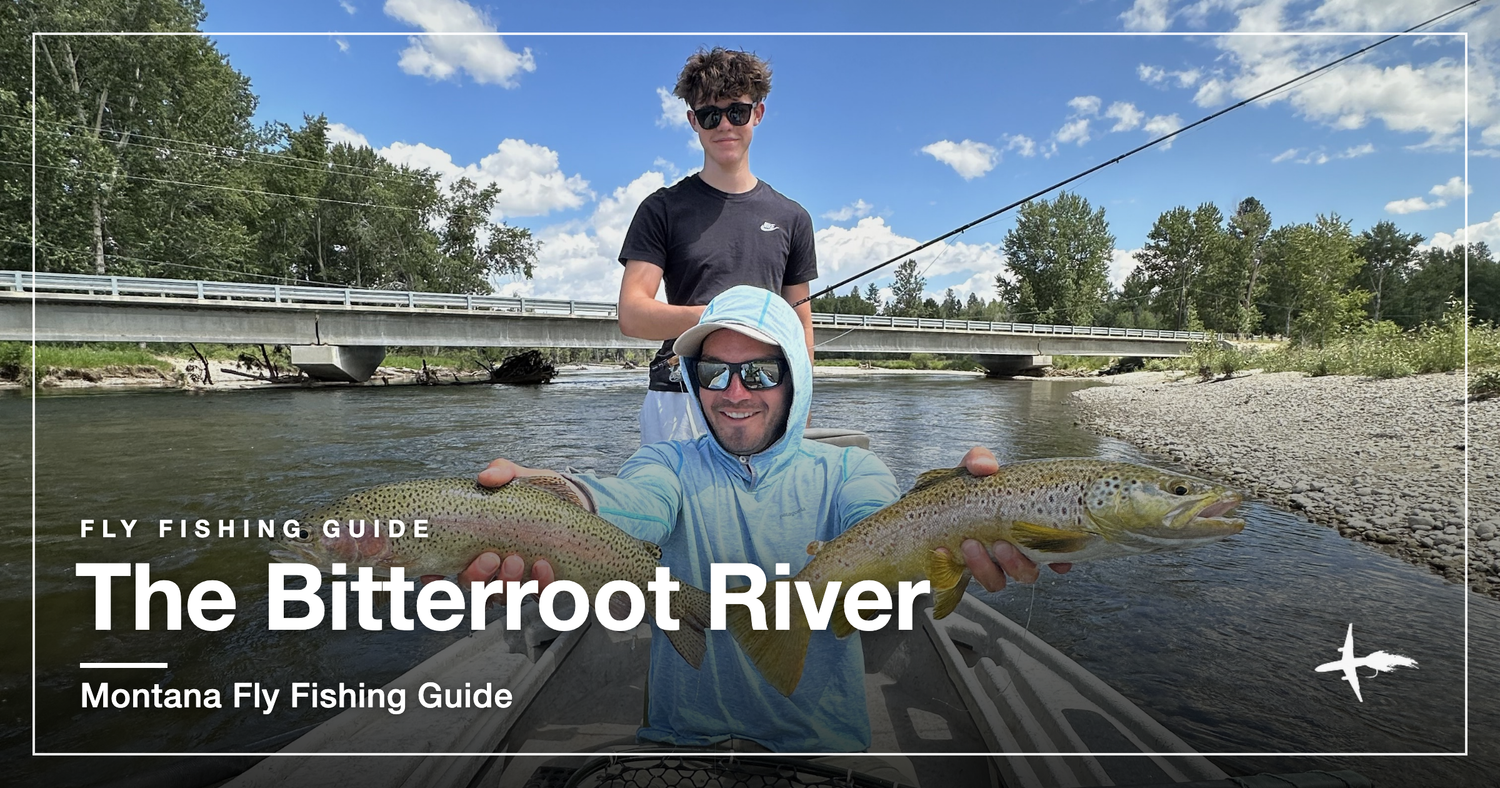
If you want to know why so many of us circle late March on the calendar, spend one bluebird afternoon fly fishing the Bitterroot River while the Skwala stoneflies are coming off. This freestone river south of Missoula has a national reputation for early-season dry-fly fishing, and it earns it: the Bitterroot is a Blue Ribbon trout fishery, the third most fly-fished river in Montana behind the Madison and Big Horn, and one of the few places in North America where you can throw big dry flies at hungry, uneducated trout weeks before most rivers even wake up. Add classic western mountain scenery, wild trout, and water that is somehow wadeable for its size, and you have one of my favorite places to be with a rod in hand.
The Bitterroot at a glance
The Bitterroot runs south to north for 84 miles, forming at the confluence of its West and East forks near Conner in southern Ravalli County and joining the Clark Fork just below Missoula. It is a true freestone river, drawing most of its flow from snowmelt, so it swings hard with the seasons and peaks with runoff from mid-May to mid-June. Bell Crossing is generally considered the line between the upper and lower river. Up top the gradient is steeper, with more riffles and pools, more of a classic Montana feel; the lower river settles into long, flat glides broken by sizeable riffles, a completely different game.
The thing that still surprises me about the 'Root is how skinny it fishes for its size. Once you get down to Florence Bridge and above, the average depth is only about three feet, on a river that can run over 125 feet wide in places. That makes it uniquely wadeable for a river this big. It holds around 700 trout per mile along its length, and well over 1,700 per mile upstream of Hamilton, with fish over 23 inches caught every year.
Species present
The Bitterroot is a mix of native and introduced trout, and where you are on the river tells you a lot about what is on the end of your line. The upper river and West Fork are strongholds for native westslope cutthroat, which dominate the water south of Hamilton and give up fast action on big attractors. Rainbows, browns, and mountain whitefish are common the whole length, and browns and rainbows are the primary fish in the lower reaches. The middle river around Stevensville holds fewer trout by count, but that is offset by the number of fish over 20 inches living in the wood and gravel bars there. Multiple two-foot-plus trout come to the net every season.
Native bull trout are also present in the Bitterroot. Bull trout are ESA-protected, so we never target them, ever. If you happen to hook one incidentally, it is catch-and-release only, handled quickly and gently and put right back. A couple of housekeeping notes worth knowing: non-native rainbows hybridize with cutthroat to produce cutbows, and illegally introduced northern pike show up in the mainstem downstream of Hamilton, most abundant below Stevensville.
Best seasons for fly fishing the Bitterroot River
If I could only fish the Bitterroot in one window, it would be early season, and it is not close. Depending on the spring, the fishing can be extremely good by around February 25 and fish well right up until runoff, which typically starts by late April. This is the stretch that made the river famous: the epic Skwala stonefly hatch, joined by Nemouras, Blue-Winged Olives, and Western March Browns. The Skwala is usually the first good fishing of the year in western Montana, and it draws a crowd for good reason.
March and April are arguably the best months of the year for the combination of size and numbers of fish on dry flies. Trout are hungry and, early on, fairly uneducated. Spring weather here tends to run gray and humid, and those dark, cloudy days are exactly when big browns get comfortable rising to the surface, which is why so many hard-to-see fish come to the top in this window. The real trigger is flow: the Bitterroot fishes its absolute best on dries when pre-runoff flows stabilize between roughly 1,500 and 2,000 CFS. May usually brings runoff and can be a tough time to fish. Summer offers salmonflies in late June and hoppers in August; fall brings renewed hatch activity, streamer-hungry browns, and some of my favorite quiet days on the water; and winter stays open and productive for anglers willing to nymph the middle and lower river in solitude.
Hatch calendar
Hatch timing shifts year to year with water temperature and flow, so treat this as a map, not a guarantee. Use "generally" and "usually" as your watchwords out there.
| Month(s) | What is generally happening | A fly to start with |
|---|---|---|
| Late February | Season can turn on; nymphing plus first Skwala activity in warm spells | Pat's Rubber Leg (Black/Brown, #6-10) |
| March | Skwala stonefly hatch builds; intensifies through the last week; Nemouras and BWOs join | Skwala dry (A.J.'s Rolling Stone, Fool's Gold, or Hi-Vis Skinny Chubby, #8-12) |
| April | Skwalas continue; Western March Browns, Blue-Winged Olives, and Grey Drakes come on in warm, cloudy afternoons | Parachute March Brown, with a small soft hackle or BWO emerger dropper |
| May | Runoff generally arrives; challenging; watch clearing spring-fed sloughs | Heavy nymphs / jig streamers for high water |
| June | Big water, big bugs; salmonfly hatch, usually late June, starting on the forks | Giant salmonfly dry pattern |
| July-August | Summer dries; August is hopper time along grassy banks; morning tricos on the lower river | Foam hopper; Trico spinner in the mornings |
| September-October | Fall magic; Trico, Hecuba, and mahogany mayflies; BWOs take off on cool overcast days into October; browns get aggressive | Mahogany dun or BWO; articulated streamer for browns |
| November-February | Slow, quiet, productive nymphing through the middle and lower river | Bead-head mayfly or stonefly nymph, deep |
Flies & tactics
Dry-fly fishing on the Bitterroot is nothing short of amazing, but it is not a walk in the park. The river's largest fish often rise to dries even in non-hatch conditions, and one guide's line I love is that if you catch a fish on the Bitterroot, you probably could have caught it on a dry. Folks fish dries here something like 90% of the time, often with a bead-head dropper underneath.
For the Skwala, top dries include A.J.'s Rolling Stone, Fool's Gold, Hi-Vis Skinny Chubby, and the Morningwood Special; the big bug is roughly a size 10 fished on short 3x leaders. When the dries are not moving fish, a Pat's Rubber Leg dead-drifted under an indicator is deadly. For March Browns, you often do not need much: a parachute and a cripple will usually move fish, with a Hare's Ear or a perdigon nymph working subsurface. When you nymph the Bitterroot, go heavy and deep to reach the bottom of the runs, and carry caddis nymphs, worms, and jig streamers for high water. Anglers generally prefer small streamers here, sparkle minnows, kreelex, mini Dungeons, but in spring and fall the big fish will chase larger articulated patterns. On tippet, one size does not fit all: bring a good selection of 2x-5x with 7.5- and 9-foot leaders to match.
Where to fish & access
Montana FWP maintains 13 fishing access sites on the Bitterroot, serving both wade anglers and floaters, so you have plenty of legal, public ways onto the water. In broad strokes: the upper river from Conner to Hamilton is steeper, with more riffles and pocket water and good numbers of smaller trout; the middle river from Hamilton to Stevensville is the guides' favorite, fewer fish but bigger ones tucked into wood and gravel bars; and the lower river from Stevensville to Missoula is long, slow glides over pea gravel that create classic mayfly pods and the occasional whopper brown. During runoff, keep an eye on the spring-fed side sloughs, they clear earlier than the main stem, and fish pile into them to feed.
A word on safety, because the Bitterroot has earned it: by the statistics it is one of the most dangerous rivers in Montana, precisely because the lower sections look so benign. It looks slow and flat, you relax, and then there is a sweeper and you are in trouble. All those shallow riffles that are easy to wade can play merry hell with a boat. Many of the best guides in Missoula prefer a raft, not for comfort but because it slides over shallows and shrugs off rocks better than a drift boat. Do not get lackadaisical on the 'Root just because it looks easy.
Gear for the trip
The Bitterroot is a 5-weight river at heart. The classic setup is a 9-foot 5-weight with weight-forward trout line, a 9-foot leader, and 3x tippet, and honestly a favorite 9-foot 5-weight gets the job done in most conditions here. You can go heavier for chucking big salmonfly dries or streamers, or lighter for picky risers on the lower glides, but if you bring one rod, make it a 5-weight.
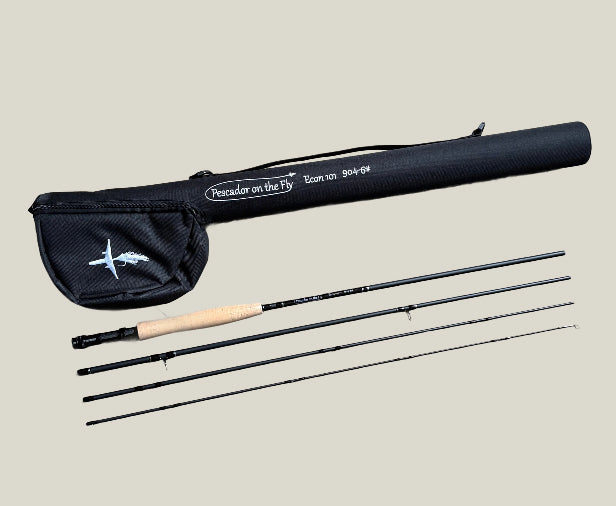
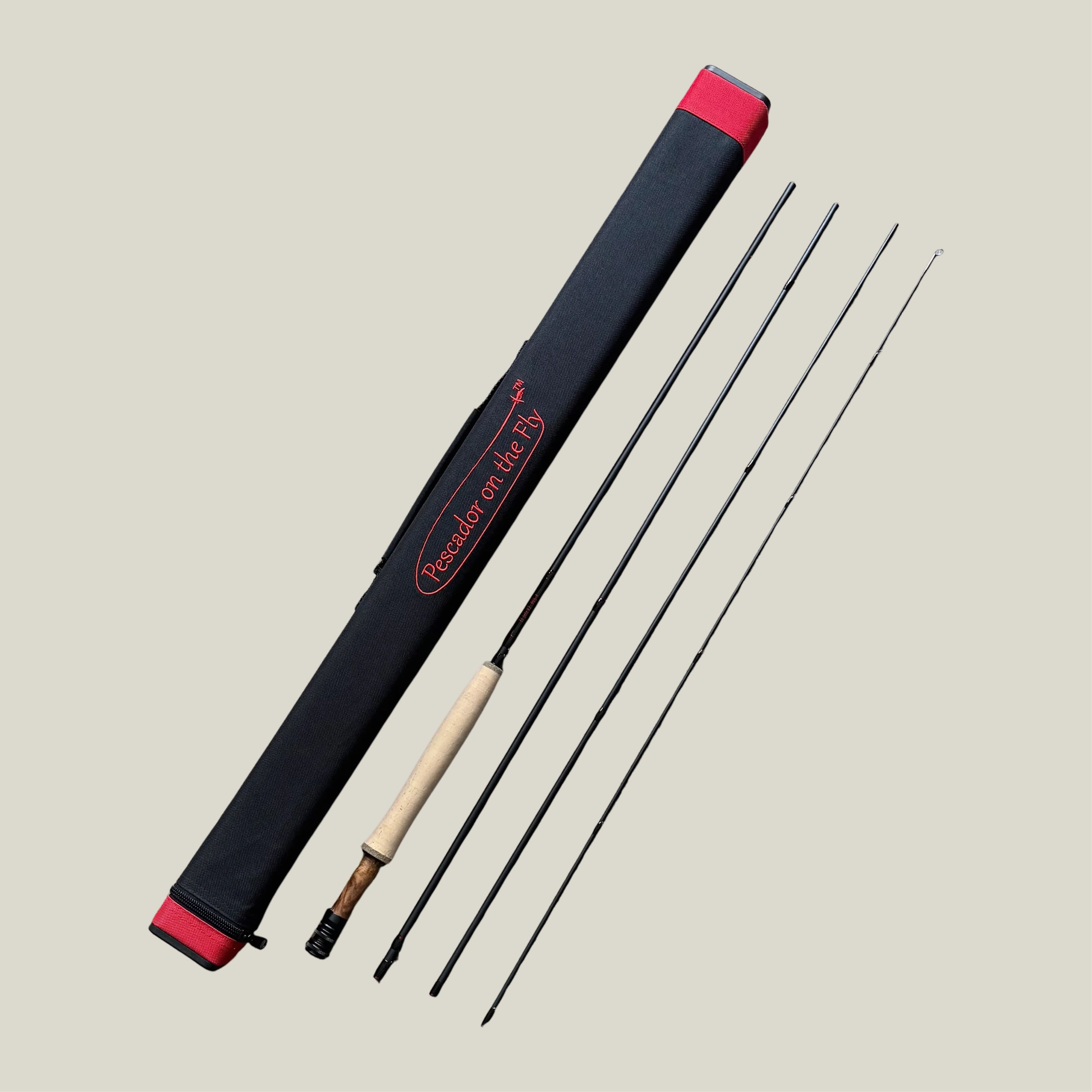
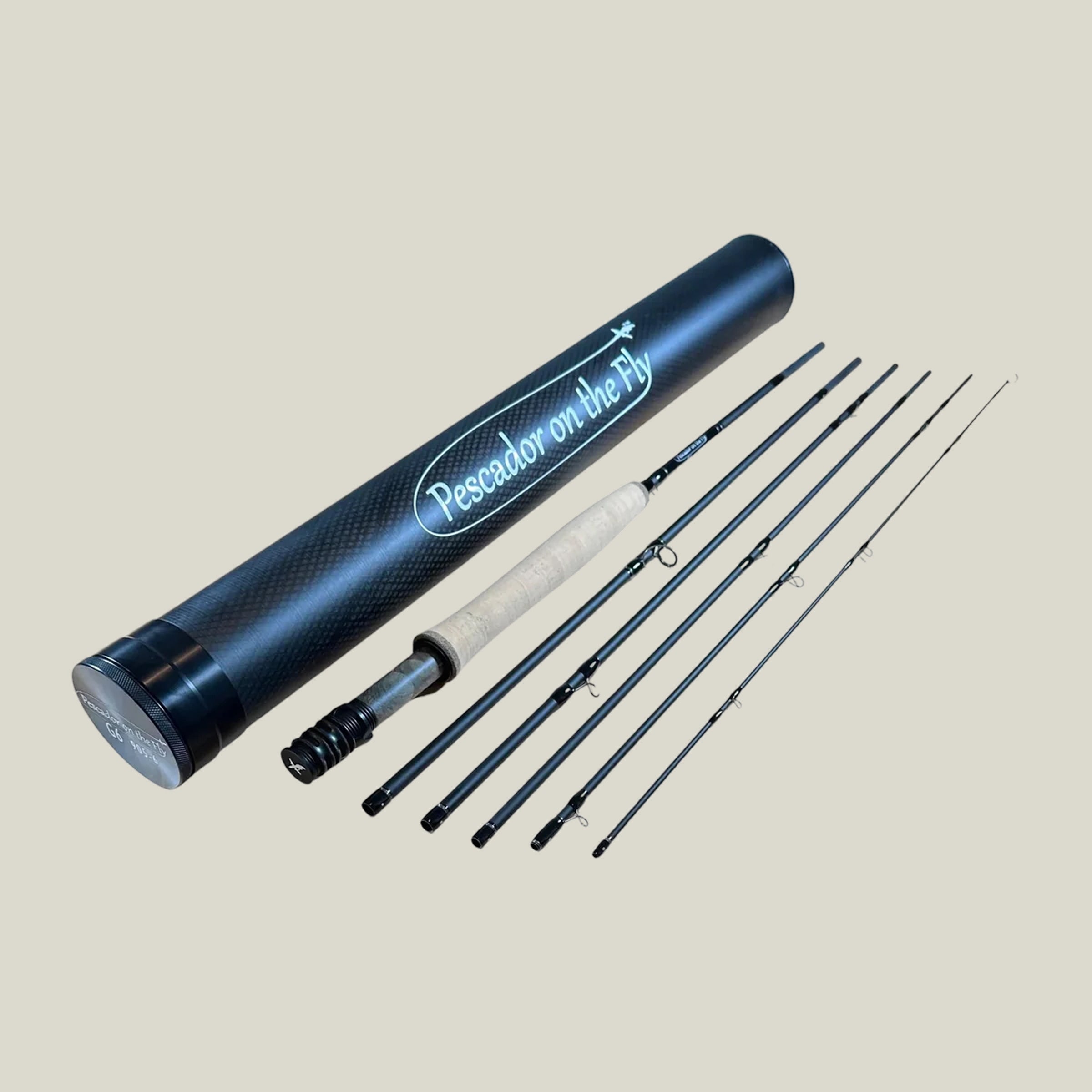
This is also a trip where I lean on a travel rod, because getting to Missoula usually means a flight, and I would rather my rod ride in the overhead than get gambled on baggage handlers. Our El Rey G6 travel-rod series is what I have been fishing on runs like this, it breaks down short enough to carry on and I have thrown Skwala dries into a Bitterroot headwind with it without feeling like I gave anything up to a two-piece. I am not going to oversell it; the point is a packable rod that actually fishes, so the travel logistics stop being the reason you leave the good stick at home.
Our trips on the Bitterroot
We have logged some good days on the 'Root, and I would rather show you the real ones, hatches we actually hit, fish we actually landed, than dress up a highlight reel. Here are the trip write-ups.
Fish it with a guide, Missoula Fly Guy
I will be straight with you: most of what I know about this water, I learned from Jake Hensley of Missoula Fly Guy (@missoulaflyguy). He is the primary local knowledge behind this guide, from reading the middle-river wood to timing the Skwala push through the drainage. If you want to shorten the learning curve, or you just want to spend a day on the sticks while someone who fishes it every week puts you on fish, book a day with Jake at missoulaflyguy.com. Come see us at Pescador on the Fly for the rod, the flies, and the gear; go see Jake for the local read. That combination is hard to beat on the Bitterroot.


Leave a comment
All comments are moderated before being published.
This site is protected by hCaptcha and the hCaptcha Privacy Policy and Terms of Service apply.