



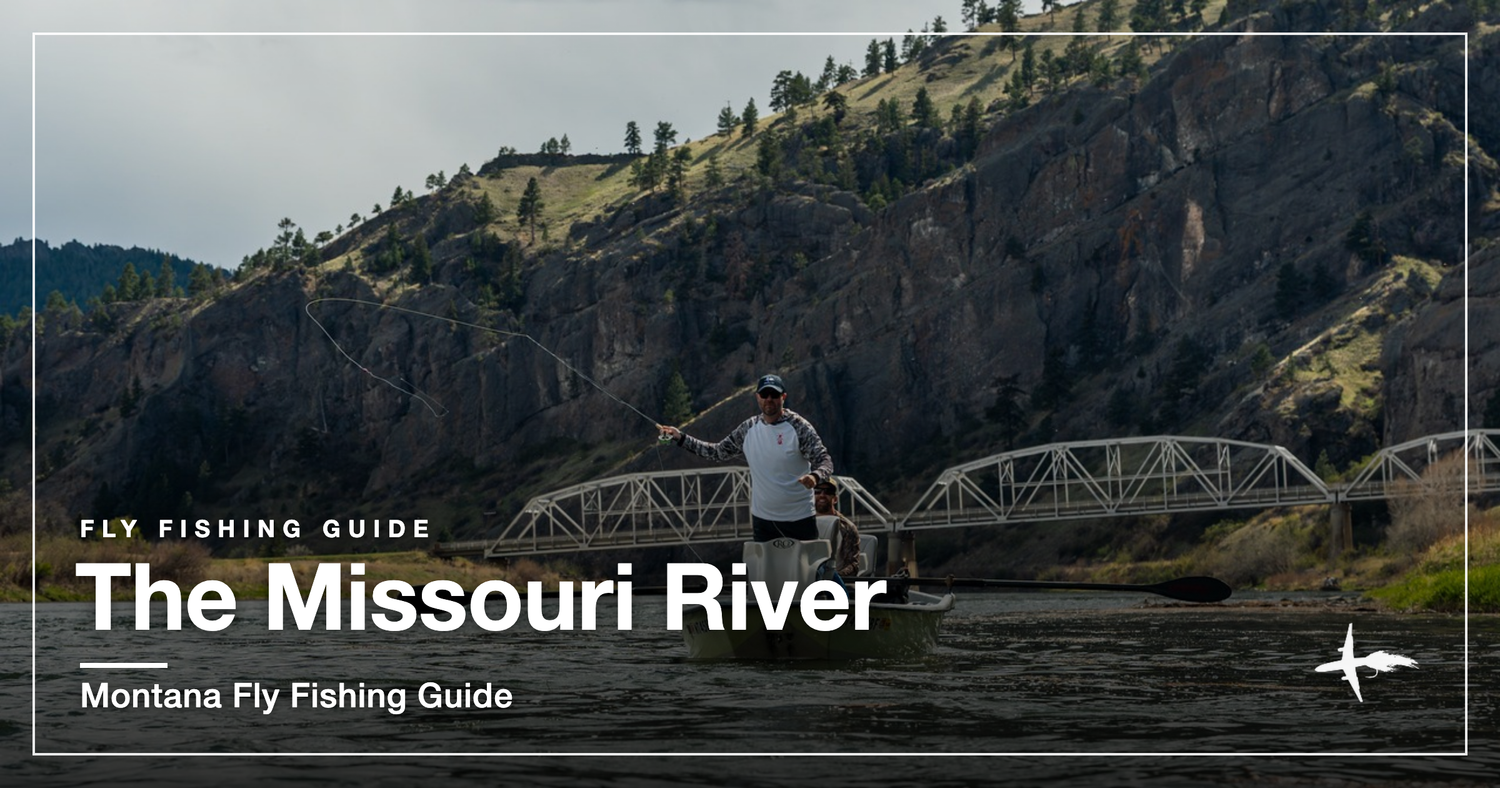
If you spend enough time chasing rising trout, sooner or later somebody tells you that fly fishing the Missouri River near Craig, Montana is a religious experience, and for once the hype holds up. Below Holter Dam the river runs cold, clear, and absolutely loaded, 4,000 to 6,000 fish per mile in places. The dam was completed back in 1918 near the Gates of the Mountains, and in the process it turned a warm-water river into the legendary tailwater anglers cross the country for today. Craig itself is barely a town, 39 people at the 2020 census, sitting along Interstate 15 about 43 miles north of Helena. Blink and you'd miss it, except that everyone with a fly rod already knows exactly where it is.
The Missouri near Craig at a glance
This is a tailwater, plain and simple. Water gets released from Holter Lake in cubic feet per second, which means a steady flow of cold water year-round, stable temperatures, predictable flows, and a groaning buffet of food for trout. The Craig section runs 5.6 miles from Wolf Creek Bridge to Craig Bridge, and the larger tailwater stretch reaches 35 miles from Holter Dam down to Cascade, consistently holding 3,000-plus trout per mile in the upper sections.
The character of the water is worth picturing before you go. Long, broad, slow-moving runs get interrupted by mellow riffles and a scatter of islands as the river slides down from the dam. It's big water, roughly 100 yards across, with grassy banks and a bottom of fine gravel anchoring bright green weed beds. Below Craig the river drops into "the Canyon," where huge limestone cliffs throw shade and create deep lies for trout. The Dearborn River joins in along this reach too. It's genuinely beautiful country, the kind of place where you catch yourself just looking around between casts.
Species present
The Missouri here is a rainbow-and-brown-trout show, with rainbows outnumbering browns roughly 3:1. Montana FWP electrofishing surveys in the Craig section have recorded 2,680 rainbows and 680 browns per mile (fish over 10 inches), though those numbers swing year to year; the 2020 surveys landed closer to the long-term average of about 1,700 rainbows and 290 browns per mile. Trout here average 16 to 17 inches, which tells you something about the quality of the fishery.
These are wild fish, no hatchery stocking, with rainbows generally running 14 to 20 inches and browns regularly pushing past 16 to 22. Both species turn up in pretty much every stretch in roughly equal numbers, though the average size for both seems to run slightly larger up on the upper end. Other non-native species swim here too, brook trout, northern pike, smallmouth and largemouth bass, yellow perch, walleye, and common carp, but you're coming for the trout.
Best seasons
Here's the beautiful part: there's not really a bad time to fish the Missouri around Wolf Creek and Craig. Because it's a tailwater, those dam-controlled flows keep it clear and fishable while other Montana rivers blow out during spring runoff. It fishes right through winter and stays a go-to fishery even during runoff season, which is why so many guides lean on it. The nutrient-rich water produces dense hatches from March through November, and plenty of folks call it "the world's largest spring creek."
If you want the short version: April through November are the best months, with solid dry-fly opportunities throughout. May, June, and early July are primetime. And it's one of the few Montana rivers you can fish in the dead of winter and actually do well, if you're willing to slow down and fish midges.
Hatch calendar
The Missouri is one of the most prolific bug factories in fly fishing, so a hatch chart matters more here than almost anywhere. Here's a month-by-month look at what's coming off and what I'd tie on.
| Month / Season | Primary Hatches | Suggested Fly |
|---|---|---|
| December–February (winter) | Midges (year-round, peak on warm afternoons) | Midge patterns, size 18–20 (range 16–22) |
| March | BWO begins (late March), skwalas in fits and spurts | Spring BWO #14–16; skwala dry #8–10 |
| April | Blue-winged olives, skwalas | Spring BWO #14–16; skwala dry #8–10 |
| May | Blue-winged olives (through May), midges | Spring BWO #14–16; midge #18–20 |
| June | Caddis begins, PMDs begin (mid-June) | Low-riding caddis #14–18; PMD #16–18 |
| July | PMDs (all month), caddis, tricos begin (mid-July) | PMD #16 (most common); trico spinner #18–22; caddis #14–18 |
| August | Tricos (through mid-August), caddis | Trico spinner #18–22 in the morning; caddis #14–18 in the evening |
| September | Fall BWO begins (mid-Sept), caddis | Fall BWO #16–22; caddis #14–18 |
| October | Fall BWO (well into October), October caddis | Fall BWO #16–22; October caddis #10 |
| November | Midges, tail end of fall dries | Midge #18–20 |
A few notes from the file that are worth burning into memory: the ideal BWO day here is overcast, scattered showers, air temps in the low 50s, though sunny days can still bring strong hatches. PMDs come off when water temps hit 58 degrees and will hatch on sunny or overcast days alike. And the trico hatch, when it's on, comes off in the millions and millions, every single day. The fall caddis run generally shifts through brown, light brown or cinnamon, a few green, and finishes with orange in the fall.
Flies & tactics
The Missouri near Craig offers some of the finest technical dry-fly fishing on the planet, and I mean technical. When you think blanket hatches, think of this river. With so many insects emerging at once, the fish key in on one very specific stage of emergence, and your whole job becomes figuring out what they're eating while holding a clean drift. That last part is harder than it sounds, because the aquatic vegetation creates multiple microcurrents that love to drag your fly.
Success here comes down to leaders and tippet. Plan on long leaders, 12 to 14 feet minimum, tapered down to 5X or 6X. Fine 5X and 6X tippet isn't unusual when you're trying to match these hatches, and for the extra-wary fish you'll sometimes need to drop all the way to 7X. Midge fishing in particular rewards patience: tiny flies, fine tippet, and a willingness to slow down and fish deliberately rather than covering water in a hurry. This is a sight-fishing river, slow clear currents and rising trout, so the reward for getting the presentation right is watching the eat happen.
Where to fish & access
Access is very good in the Craig section, with 15 official access points spread along the roughly 35 miles between Holter Dam and Cascade. Most anglers fish from drift boats, which is simply the most effective way to cover this much water, and shuttle services run out of Craig-based shops like Headhunters. Floating lets you work the long runs and reach the productive water efficiently.
That said, walk-and-wade fishing is very much on the table. The best wading happens at low to moderate flows, below 4,500 CFS. Wade the upper section near Holter Dam and Craig for the highest fish density, or head down toward Cascade for fewer crowds and wadeable side channels. Either way, check flows before you commit to a wade day.
Gear for the trip
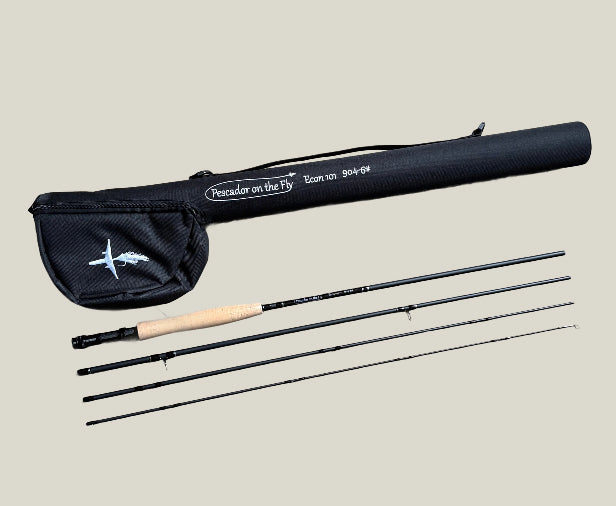
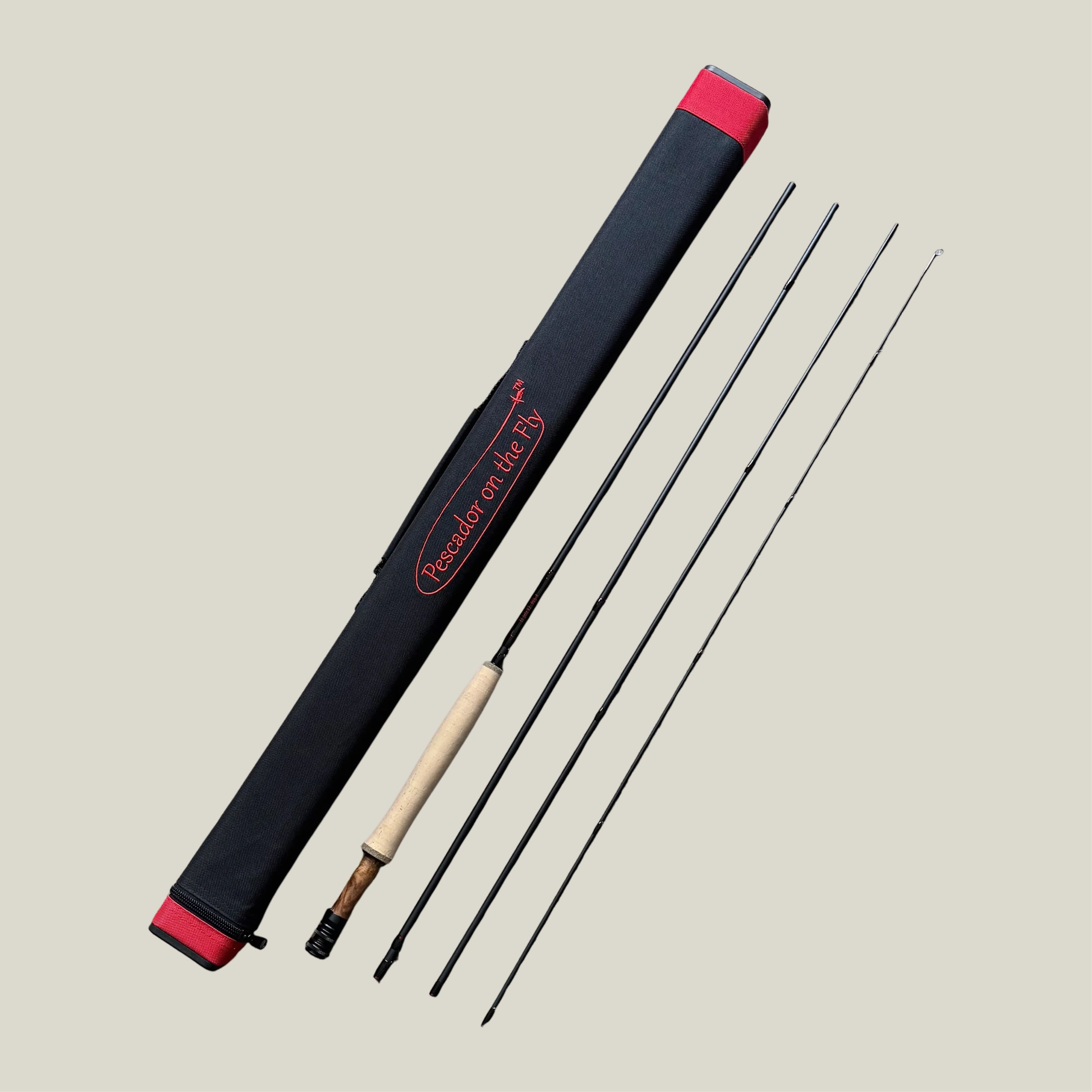
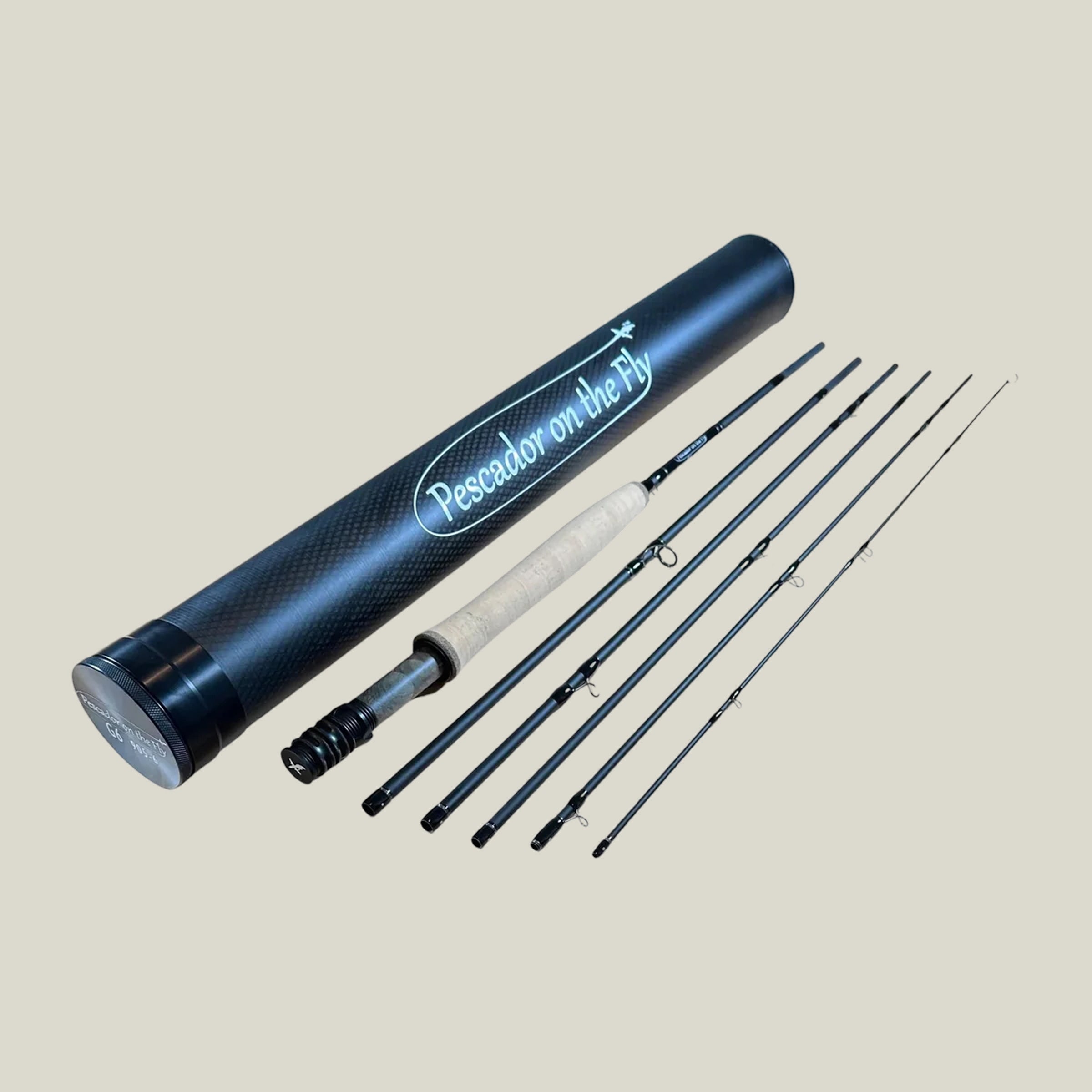
The Missouri asks a lot of your setup, so I'll be straight about what actually earns its spot in the boat bag. Long, delicate leaders and fine tippet mean you want a rod that can lay out a soft presentation and still turn over a 12-to-14-foot leader without piling it up, and you want reach for those slow, clear currents. The travel days getting to Craig are where I lean on our El Rey G6 travel-rod series, packing down for the trip out and fishing like a one-piece once you're on the water. I've tested these rods on exactly this kind of technical dry-fly water, not pitched them from a catalog, and they hold up. Beyond the rod, bring the fine tippet spools (down to 7X), a good box of midges and small mayfly patterns in the sizes above, and rain gear, because your best BWO days are the gray, drizzly ones.
Our trips on the Missouri
We've spent our share of days on this river, and rather than tell you about them in the abstract, here are the specific trips, hatches we hit, and fish we found near Craig.
- Fly Fishing the Missouri River Near Craig, Montana
- Epic Day Fly Fishing the Missouri River Near Craig
- Three Days in Montana — Missouri River Near Craig (Day 3)
Fish it with a guide — Missoula Fly Guy
You can absolutely fish the Missouri on your own, but if you want to shortcut the learning curve on a technical tailwater like this, book a day with a guide who lives it. I trust Jake Hensley at Missoula Fly Guy (@missoulaflyguy) for exactly this water, he knows the runs, the hatch timing, and the presentations that fool these picky fish. Book a day at missoulaflyguy.com. Think of it this way: Jake gets you on fish, and we get you geared up for the trip, two sides of the same good day on the river.


Leave a comment
All comments are moderated before being published.
This site is protected by hCaptcha and the hCaptcha Privacy Policy and Terms of Service apply.