



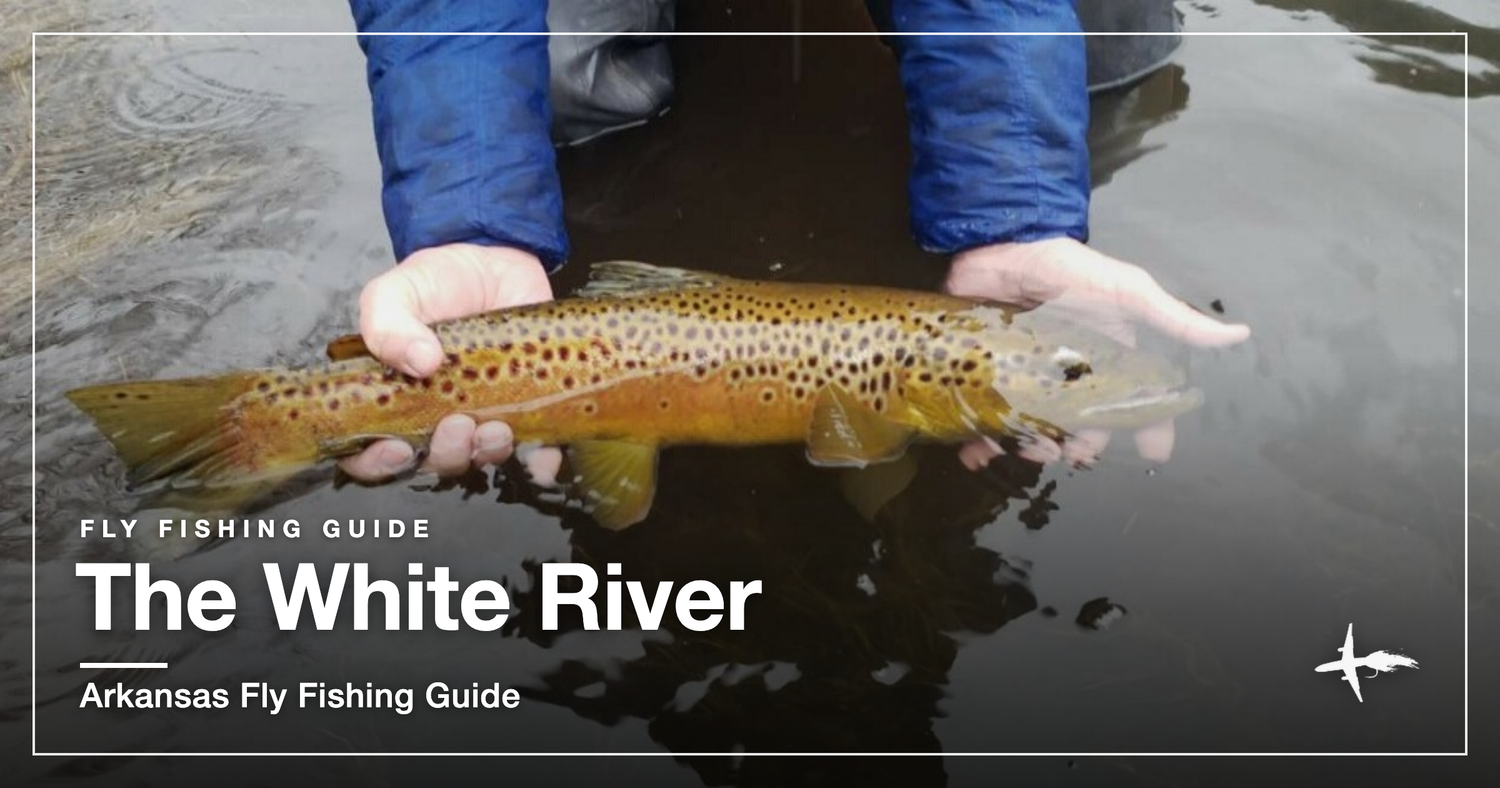
If there's a place in this country where you can stand in cold, clear water and reasonably tell yourself the next take might be a twenty-pound brown trout, fly fishing the White River Arkansas is it. Below Bull Shoals Dam in the northern Ozarks lies one of the world's premier trout tailwaters, and it has earned that reputation the hard way — on the backs of abundant, naturally-producing, and often flat-out gigantic brown trout. The dam went in back in 1952 for flood control and power, and the cold water it released turned a warmwater river into a coldwater fishery. Trout stockings began in 1955, and the rest, as they say, is a lot of very large fish.
The White River at a glance
The White River runs 722 miles through Arkansas and Missouri, but the part that matters to us is the tailwater below Bull Shoals Dam. The dam pulls water from the depths of Bull Shoals Lake — roughly 120 feet down — and pushes it out at a constant 48 to 54 degrees. That cold, consistent flow creates trout habitat that stretches more than 100 miles downriver to Lock & Dam No. 3 below the village of Guion. The Arkansas Game and Fish Commission manages the trout water from the dam down to the Highway 58 Bridge at Guion.
Here's the thing that surprises first-timers: this is a dam-controlled river, and it changes by the hour. There are eight generators at Bull Shoals, and each one turned on raises the river about a foot. Flows can run from a minimum of around 500–700 cfs — a slow, shallow, wadeable river — all the way past 24,000 cfs, rising over eight feet and becoming a fast-moving wall of water. You fish according to the releases, full stop. Generally you can wade with two or fewer generators running; beyond that, you're thinking about a boat. The tailwater itself is wonderfully varied — pocket water, long deep runs, shallow riffles, long pools, flat water, and rough water, just about everything in between.
Species present
The headliner is the brown trout, and it's the reason anglers fly in from all over the world. Fish between sixteen and twenty inches are very common here — common enough that browns tend to get discussed in pounds rather than inches. Five- to ten-pounders show up regularly, the river gives up several twenty-pound browns every year, and every so often someone lands a thirty-pounder. The largest concentration of reproducing browns sits just below Bull Shoals Dam.
Rainbows are the bread and butter — the river is heavily stocked with 12- to 14-inch rainbows to keep the fishing consistent year-round, at all water levels, for all skill levels. The Norfork National Fish Hatchery alone releases more than a million trout into the flow annually. And these rainbows can get big: seven of the ten Arkansas state-record rainbows since 1959 have come from the Bull Shoals tailwater, with the standing record a 19-pound, 1-ounce fish taken in 1981. On top of that, the AGFC also stocks cutthroat, brook, and tiger trout — and some cutthroat and rainbows are found well over 20 inches. In fact, the White is one of the few places on earth where you can stand in a single spot and land a grand slam: a brook, a rainbow, a brown, and a cutthroat, all right here.
Best seasons
The season never closes. Cold water off the bottom of Bull Shoals keeps the river cool and consistent, so this is a genuine year-round trout fishery — and some of the largest catches come in the cooler months (though fishing the spawn is discouraged). Spring brings the caddis and mayfly action, roughly March through October, enough to keep dry-fly purists busy. Summer is hopper season, and few things beat watching a brown crush a big foam terrestrial in the middle of the day — hoppers, ants, and beetles make it one of the most exciting stretches of the year. Fall is trophy-hunter season: the largest browns begin staging for the spawn, streamers become the focus, and anglers travel to Arkansas specifically to chase world-class fish. And winter has its own legend — the shad kill (more on that below). Whichever season you pick, remember the real calendar here is the dam-generation schedule.
Hatch calendar
The White has some of the most prolific bug life in the country — year-round scuds and sowbugs, a constant midge population, stoneflies, and multiple mayfly species. Here's how it generally shapes up through the year:
| Season / Months | What's happening | Suggested fly |
|---|---|---|
| Year-round | Sowbugs & scuds, constant midge population, general nymphing | Sowbug & scud patterns 14–18 (scuds also 12–14); Zebra Midge 18–24; Midge patterns 20–24 |
| Winter (Dec–Feb) | Midges are about the only bugs coming off; shad kill during cold snaps (temps in the 20s) as stunned threadfin shad pull through the dam | Midge patterns 20–24; white streamers — wiggle minnows, zonkers, deceivers, Arkansas Beadheads; winter shad patterns 6–8 |
| Mar–May | Caddis hatches (Grannom Caddis and March Browns most prominent); early BWO, Hendrickson | Tan Caddis ~20; caddis pupa 14–18; BWO 14–20 (Apr 20–May 20); Hendrickson 12–14 (Apr 20–May 20) |
| Apr–Jul | Light Cahill hatch (Apr 1–Jul 15); Sulphurs and Cahills into spring, more sporadic | Light Cahill 14–18; Sulphur 16–18 (May 15–Jul 5) |
| Jun–Jul | Sulphurs the featured hatch | Sulphur 16–18 |
| Summer (Jun–Sep) | Terrestrial season — hoppers, ants, beetles; superb dry-fly fishing when flows cooperate | Grasshoppers 6–12 |
| Fall (Sep–Nov) | Big browns stage for the spawn; streamer season | Big articulated baitfish patterns, sculpin imitations, Woolly Buggers |
Flies & tactics
Above everything else, the White is nymphing water. The year-round midge population plus millions of sowbugs and scuds mean you can drift a rig productively any day of the year, and that's where most of the fish come from. Make the sowbug/scud + midge combo your staple — sowbug and scud patterns in 14–18 (scuds down to 12–14), and a Zebra Midge in 18–24. Round out the nymph box with year-round producers: Woolly Buggers 8–12 in olive and black, San Juan Worms 10–16 in natural and red, egg patterns 14–18 in tan and olive, plus hares ear and pheasant tails 12–16, caddis pupa 14–18, and mop jigs.
For the trophy browns, streamers are king — Woolly Buggers, articulated baitfish patterns, and sculpin imitations all have their moments, and fall is when they earn their keep as the big fish stage to spawn. Winter is a category unto itself: the shad kill. When temperatures hang in the 20s, threadfin shad get stunned and flushed through the dam, and the trout — browns especially — gorge on them. That's the time for white streamers: White Wiggle Minnows, Arkansas Beadheads, zonkers, deceivers, and shad patterns in 6–8. When the bugs are up, don't ignore the dries — Tan Caddis around size 20 in the spring caddis, Light Cahill 14–18, Sulphur 16–18, and grasshoppers 6–12 when summer terrestrials are on the menu.
Where to fish & access
The single most important habit on the White is to fish according to the dam. On low flows — particularly with no generators running — the river becomes a wade fisherman's dream. On higher flows there's still a surprising amount of fishing available on foot, but a great deal of the White is fished from boats, because a boat works even when water is being released. That tradition runs deep here: much of the action happens from 20-foot johnboats, a style going back about a century on this stream, and when they're generating, a jon boat or drift boat is simply the best way to cover water. Wade carefully — two generators or fewer is the general rule, and rising water comes fast.
There are 25 public access points over the roughly 92 miles of cold trout water, many with boat ramps. The first 25 miles from Bull Shoals Dam down to Rim Shoals near Buford hold some of the best wade water, including two standout shoals: Wildcat Shoals Public Access and the Rim Shoals Walk-In area. At the very foot of the dam, Bull Shoals State Park covers 725 acres of Corps land along the east side of the river, with bank access, shoals that wade at low water, a boat ramp, a campground, parking, and a state-owned trout dock. Plenty of room to figure the river out on your own two feet.
Gear for the trip
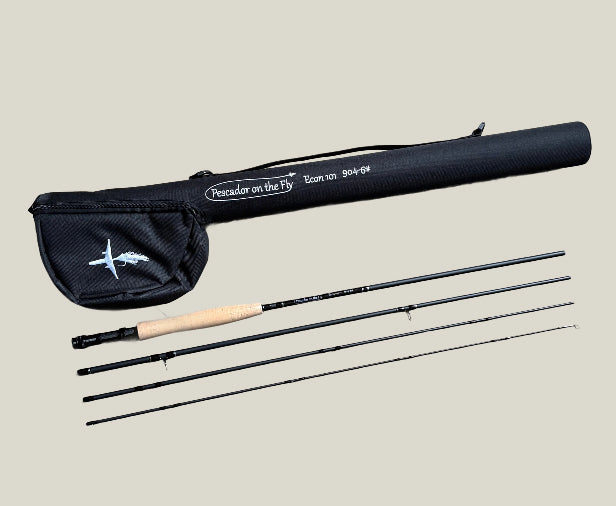
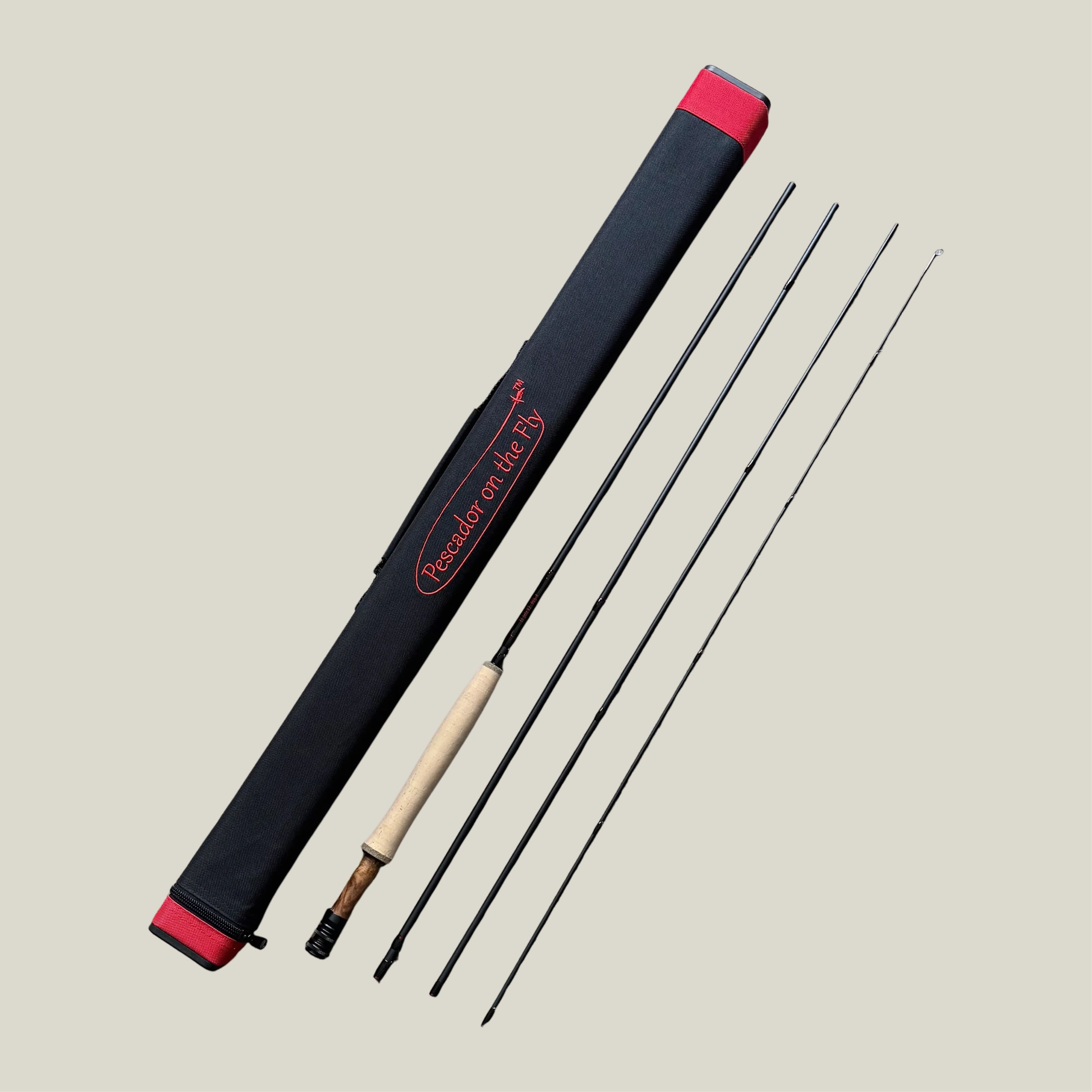
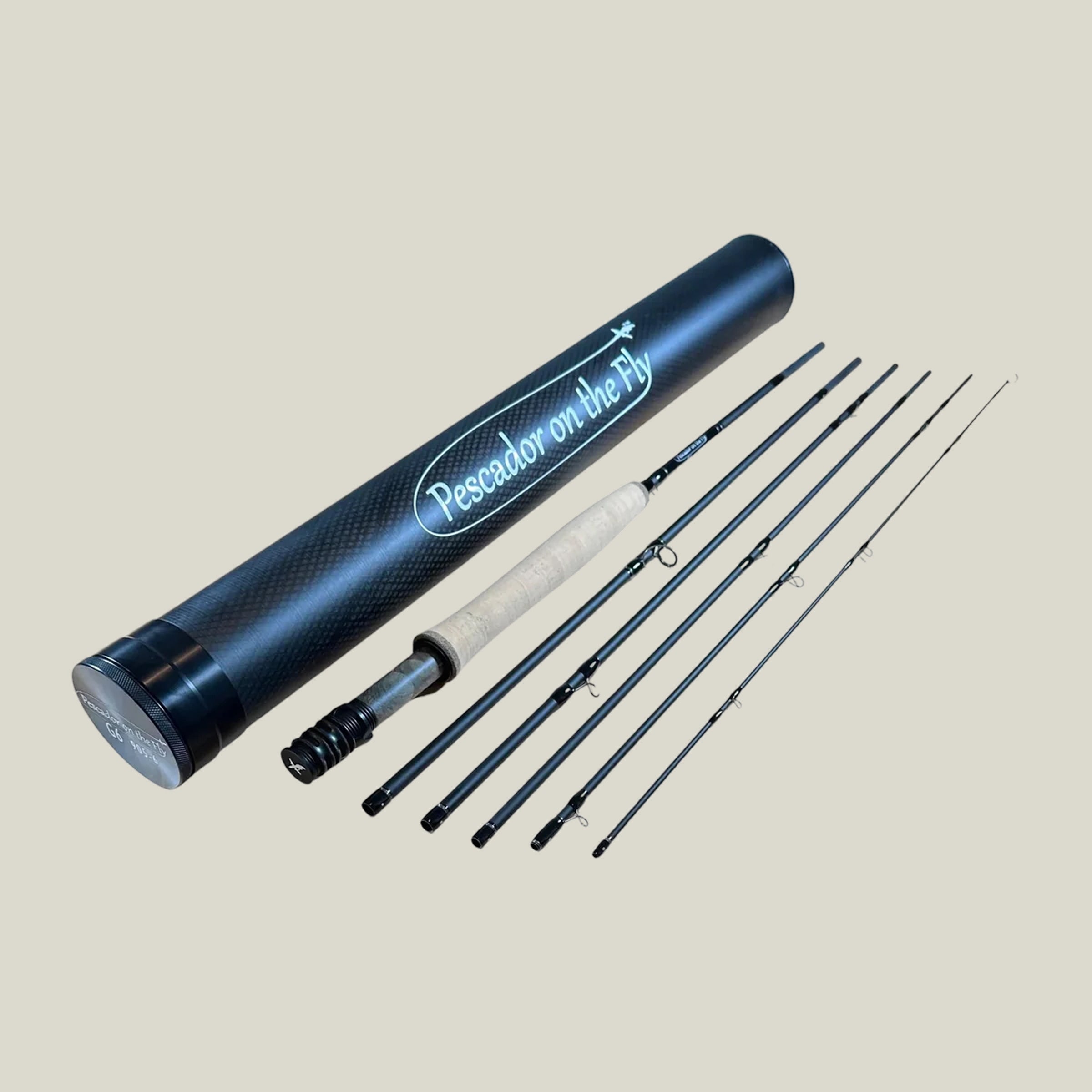
A tailwater like the White rewards gear you actually trust, because the fishing swings from delicate midge rigs to hauling articulated streamers for a thirty-pound brown — sometimes in the same day. This is water we build our gear to handle. If you're flying into Arkansas for this trip, the rod I'd hand you is the El Rey G6 travel-rod series — a packable six-section rod that breaks down to fit a carry-on tube but casts like a 4-piece, so you skip the checked-luggage roulette and still fish a rod that rivals the $1,000+ sticks. It's the kind of thing that matters when your whole trip hinges on your rod arriving with you. We test our gear on water exactly like this; we don't just pitch it.
Our trips on the White River
We've spent real time on this tailwater — chasing browns on the swing, nymphing the shoals when the generators are quiet, and generally getting humbled by a river that changes its mind by the hour. Here's a look at those trips.
- February Fly Fishing the White River in Arkansas — Day 1
- February White River Fly Fishing in Arkansas — Day 2
- Streamer Fishing for Brown Trout on the White River
- Trophy Pursuits on the White River: Streamers, Surprises, and the Spirit of Adventure
- Streamers and Superchargers: A Tesla-Powered Trip to the White River
- Sub-Zero Fly Fishing on the White River with Gaston's
- Tiger Trout, White River Arkansas with Gaston's Resort
- White River Arkansas Fly Fishing with Gaston's Resort
- From the White to the Norfork River: Triumphs and Trials
Base your trip — Gaston's White River Resort
If you want a home base right on the water, it's hard to beat Gaston's White River Resort. It started in 1958 when Al Gaston bought 20 acres of White River frontage with six small cottages and six boats; today it spans over 400 acres with 79 cottages ranging from two-double-bed rooms up to ten-private-bedroom lodges, a fleet of more than 70 boats, and a state-of-the-art dock to hold them. The fly-fishing school — a one-day course for two, combining classroom instruction with hands-on time on the water — is led by master fly fisherman Frank Saksa, and guided half- and full-day trips are available. Bring your own equipment or rent rods and reels on site. You can plan your trip through gastons.com.
While you're in the area, don't overlook the Norfork Tailwater — the lower stretch of the North Fork of the White, and one of Trout Unlimited's Top 5 rivers to fish last decade. The "Princess of Tailwaters" is smaller, more intimate, and fishes more like a western river than the broad White. It injects fresh cold, oxygenated water into the White about 35 to 40 miles downstream, and it's a great place to complete an Arkansas Slam of all four trout species in a single day. It even gave up a nearly 39-pound German brown back in 1988. Like the White, sowbugs, scuds, and midges form the mainstay, with dry-fly chances on midges, caddis, sulphurs, and terrestrials. At low water it's excellent wading; when the generators run, float it. Quarry Park below Norfork Dam has a concrete boat ramp plus bank and wade access.
Sort out where you're staying, then sort out your gear — you can pick up the rods and reels we build for water exactly like this over at pescadoronthefly.com. See you on the White.


Leave a comment
All comments are moderated before being published.
This site is protected by hCaptcha and the hCaptcha Privacy Policy and Terms of Service apply.