




At a Glance
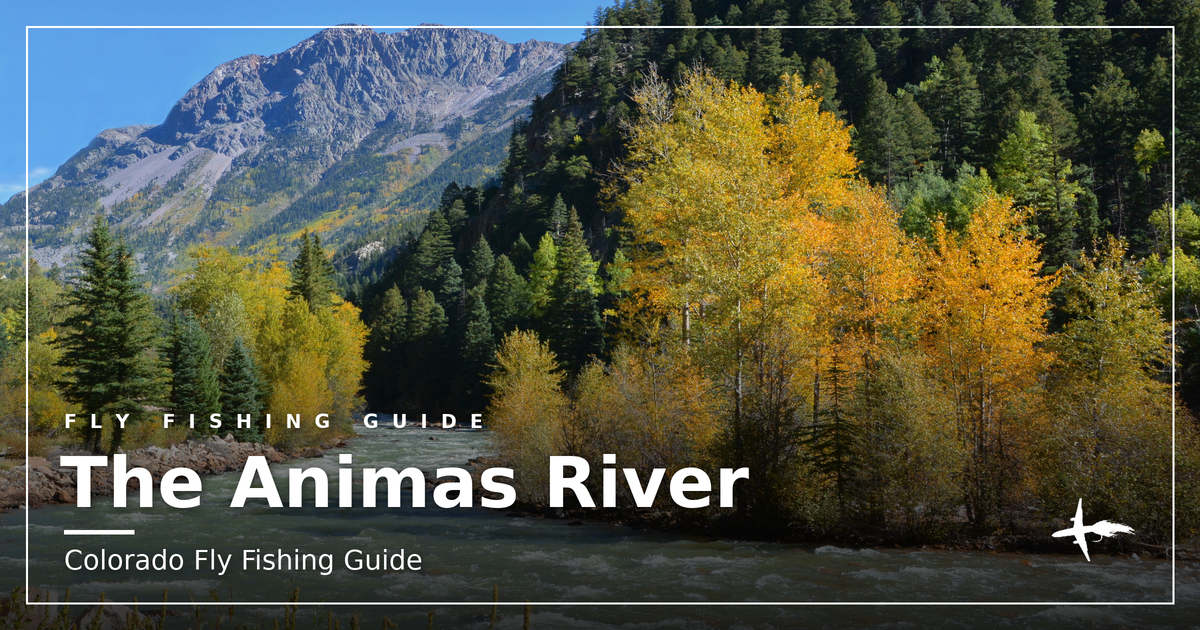
The Animas is a 126-mile freestone river flowing from the San Juan Mountains near Silverton through Durango and into New Mexico, where it joins the San Juan River near Aztec. The river holds Colorado Gold Medal Water status from Lightner Creek to Rivera Crossing Bridge in Durango—a 4-mile stretch running right through town that produces rainbow and brown trout on public water you can walk to from a city street. The Animas is almost 100 feet wide in Durango, with extensive riffles, pocket water, bubbly runs, big boulders, and deep pools typical of a freestone river. The bottom consists of gravel and cobbles as slick as any in the West.

This is year-round fishing, though late April through early June brings snowmelt runoff that blows the river out completely. Outside that window, Animas River Fly Fishing offers accessible, legitimate trout water with hatches, holding fish, and the potential for a lunker brown over 20 inches.
The Trout
Rainbow trout make up roughly 70 percent of the catch in the Gold Medal reach, with fish running 14 to 18 inches. They are plentiful and bite often. Brown trout run bigger and hold near boulders and deep undercut banks. The river produces fish over 20 inches regularly. A past state-record brown weighing over 20 pounds came from the Animas in the 1950s. Most fish in the river are in the 10- to 15-inch range, but the potential for a lunker is real.

Further upstream toward Silverton, Colorado River cutthroat trout show up in the colder, clearer water. Brook trout also inhabit the upper reaches. Rainbow and brown trout call the lower river home, while cutthroat and brook trout can be found upstream.
Best Seasons
September and October are the best months: ideal flows of 200 to 400 CFS, clear water, aggressive brown trout, and returning Blue-Winged Olive and midge hatches. March and April offer the best spring window before runoff. Flows are still manageable, the fish are active after winter, and midge and Blue-Winged Olive hatches fire consistently in the mornings.

The Animas is a freestone river with no dam to buffer snowmelt, so spring runoff hits hard and fast. From roughly late April through early June, flows can push well past 800 CFS with heavy silt. Wading becomes dangerous, the fish move to slow margins, and the fishing is poor. Avoid this period. The water can also become questionable during August in the town of Durango as the stream can become warm and low. Stop fishing when water hits 68°F—trout become stressed and mortality risk increases even with careful handling.
Hatch Calendar
March–April: Early Season
Flows are still manageable, and the fish are active after winter. Midge and Blue-Winged Olive hatches fire consistently in the mornings. Some of the best dry fly hours occur during a March BWO hatch on a still, overcast afternoon, though the window closes in late April as snowmelt begins building. As the river begins to warm in March, early midge activity and the first glimpses of Blue-Winged Olives appear, along with early caddis fly emergence. By April, BWOs become more consistent with moderate flows that trigger the initial bursts.
Little Yellow stoneflies, Pale Morning Duns, Spotted Sedge caddis, and Dark Red Quills also hatch during this period.
May–June: Runoff to Summer Transition
From roughly late April through early June, flows can push well past 800 CFS with heavy silt. Wading becomes dangerous, the fish move to slow margins, and the fishing is poor. May marks the peak of Blue-Winged Olive activity as water temperatures stabilize, with early Pale Morning Dun mayflies starting to appear. In June, BWOs and Pale Morning Duns work together with small caddisflies and occasional midges.
Caddis hatches begin around June 1, usually masked by the later stages of runoff. Trout will actively feed if the water is high and clear and will often take caddis even when the water is muddy. The water in early summer tends to be big, and there are caddis hatches most evenings.
July–August: Midsummer
Evening dry-fly fishing can be excellent in July and August with Elk Hair, Goddard Caddis, or Trude patterns. A midsummer hatch of Pale Morning Duns stimulates trout feeding in the Animas, occurring late-morning from July until early August. July and August bring PMD hatches to the Animas and hopper season to all rivers. Caddis hatches continue all summer long but tail off as the season progresses.
September–October: Prime Fall Fishing
September and October are the best months across all Durango rivers. Ideal flows of 200 to 400 CFS, clear water, aggressive brown trout, and returning Blue-Winged Olive and midge hatches define this window. In September, as the water cools, a robust fall stonefly hatch takes over. Late-season mayflies and caddisflies can still be seen. October sees stoneflies remain active with small caddisfly hatches, while midge activity gradually diminishes. Many anglers throughout the San Juans consider September and October the best months to be on the Animas.
Fly fishing can remain excellent on the Animas through the snows of early November, with crisp, clear days of autumn offering ideal angling weather.
November–December: Late Season
November offers incredible midge fishing along with post-spawn browns that are aggressively feeding on eggs. Late fall hatches, including BWOs and midges, occur around midday in October and November. Watch for late fall hatches of Blue-Winged Olives and midge activity, which can occur around midday.
Winter: Year-Round Midges
Midges hatch year round, but their importance is from September through winter into April. Recreational fishing with artificial lures and flies on the Animas is available year-round due to moderate winter weather.
Flies & Tactics
Midges
Light Green midge larva and pupa midge flies, pre-rigged in tandem, are very popular. Fish them under a strike indicator keeping the larva fly near the bottom. Zebra Midge (20-22) and RS2 (20-22) cover all seasons on the Animas.
Mayflies
Pale Morning Duns, size 16-18, nymphs, emergers, duns and spinners. Dark Red Quills, size 14, nymphs, emergers, duns and spinners. Pheasant Tail (16-18), Hare's Ear (14-16), and Parachute Adams (16-18) cover all seasons on the Animas. Match the hatch with size 16 or 18 pale-bodied flies, such as a Light Cahill.
Caddis
Spotted Sedge Caddis, size 14-16, larva, pupa and adults. Elk Hair Caddis (14-16) covers all seasons on the Animas. Parachute Adams size 12-16 is effective during caddis hatches.
Stoneflies
Little Yellow stoneflies, size 14-16, nymphs, emergers, duns and spinners. Stonefly adult patterns can be fished with confidence from May to September, starting in bigger sizes and getting smaller until September (size 8-16).
Terrestrials
GFA Hopper (10-12) and Stimulator (10-12) cover all seasons on the Animas. Hopper patterns are an excellent alternative, with a Dry Muddler in sizes 8 to 12 skittered over the surface particularly effective.
Streamers and Attractors
The most important food source for the large trout in the Animas is sculpins, bottom-dwelling forage fish found in the mud and rocks throughout the river. Sculpin and White Belly Sculpin and Articulated streamers, size 6-4, and Black Matuk are effective. A Woolly Bugger (6-8) covers all seasons on the Animas. When no hatch is on, first try fishing weighted nymphs or dropping sculpin patterns along the bottom. Prince Nymphs are also a proven general attractor pattern for the Animas.
Streamer Tactics for Browns
Fishing for browns is often a difficult proposition involving weighted streamers and hundreds of casts for a few fish. Target the upstream face and downstream edges of the large mid-river boulders for trophy browns. Cast upstream, let the fly sink to the bottom, then swing it across the current seam. Hold the fly stationary at the end of the swing before stripping back. Most strikes come at the swing. Use a 6-weight rod with a sink-tip line and 3X fluorocarbon, and expect violent takes.
Where & How to Fish It
Public access to the Animas River within the city of Durango is plentiful with almost 7 miles of river from 32nd Street Bridge to the Rivera Bridge south of town. Foot and bike trails parallel the river through much of town, providing abundant easy access. Other access points are found at the 9th Street and 32nd Street city parks and at the Colorado Division of Wildlife Fish Hatchery at 151 East 16th Street. In the south part of town along U.S. 160, access is found at the chamber of commerce building and its surrounding public park and extends to the Rivera Bridge. Two parcels of private land are found in this stretch and are well marked.

Float and wade trips are offered on three different stretches. Above town, the river is slow and meandering through oxbows in the beautiful Animas Valley. Through town there is great access along the entire river. Below town there is excellent floating during the high water season. The Animas Valley north of Durango can be a great dry fly fishery in summer when flows are high enough to float.
Wet wading is popular in summer, but waders are called for in the early season and in fall. The rocks are as slick as those in any river in the West, requiring cautious wading.
Southern Ute Tribal Lands
Below the Rivera Bridge, the Animas runs through private land and the Southern Ute Indian Reservation. Significant tribal land along La Posta Road is open to angling for those with a Southern Ute Tribal permit. Fishing by permitted non-Tribal members is allowed on the Animas through designated access points. Fishermen must use the access points identified on maps to enter and exit stream corridors, which are located only on Tribal trust lands. Fishermen may move up or down the stream corridors without securing additional permission but may not continue on to allotted or private lands unless authorized by the landowner. The stream corridor is bound by a 5-foot distance from the edge of the water on both sides.
Gear for the Trip
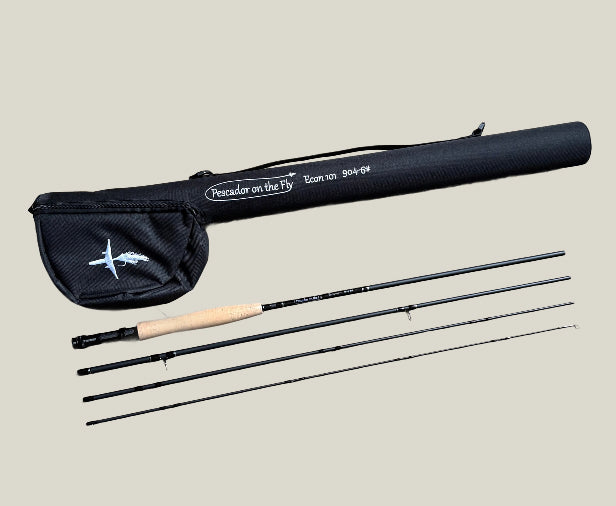
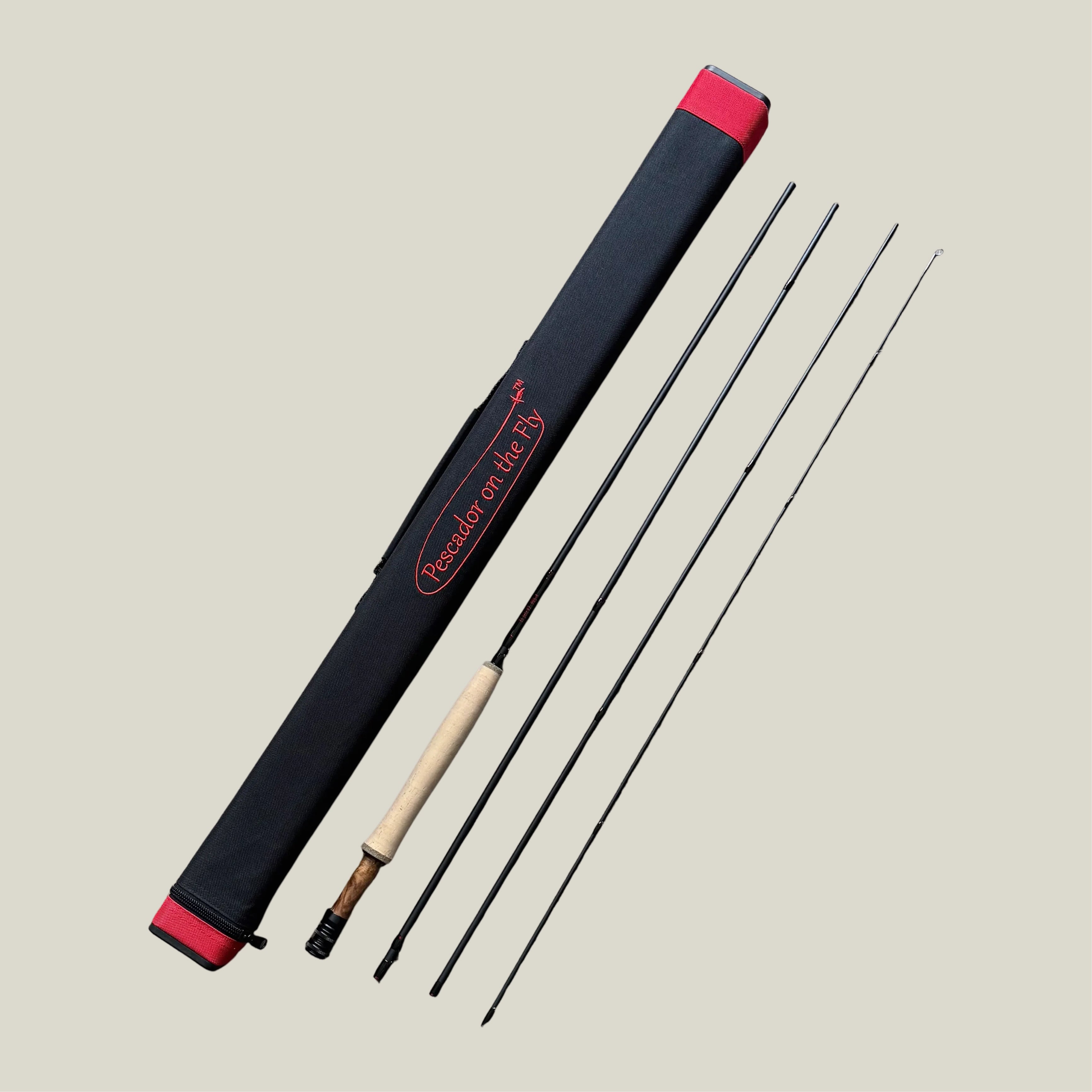
A 9-foot 5-weight is the right all-around rod for the Animas. It handles dry flies and nymphs in moderate currents, casts well into the wind for hopper season, and has enough backbone for the large browns that show up in fall. If focused on streamers or fishing big water in high flows, a 9-foot 6-weight with a sink-tip line gives more authority on the swing.
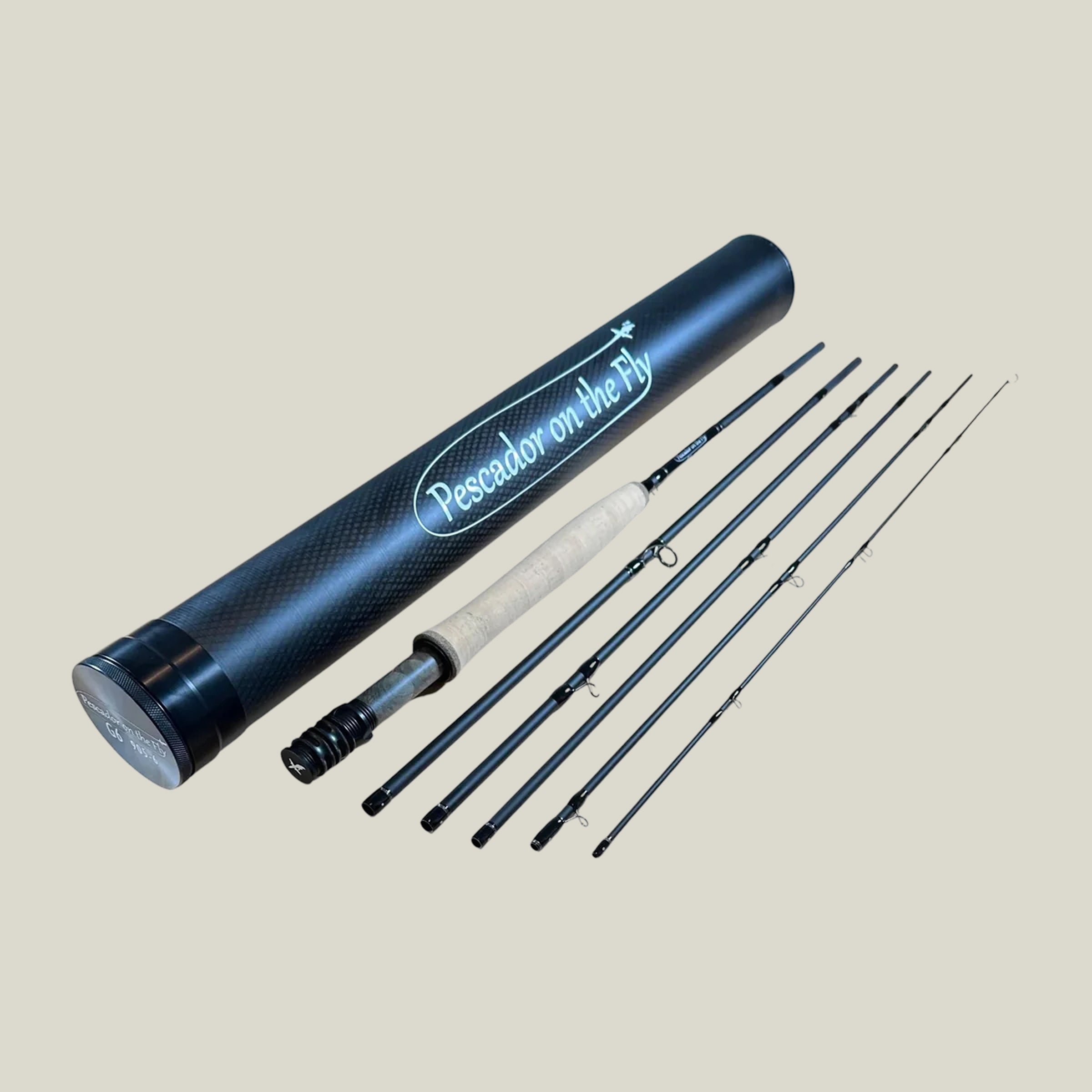
If you're traveling to fish the Animas and other Colorado rivers, El Rey G6 six-section travel rods break down small enough to keep your rod tube out of the way and set up fast when you reach the water.
Watch the USGS gauge at Durango, and once you see flows climbing past 400 CFS and the water color goes off, plan to stay home. Ideal flows are 200 to 400 CFS in fall.
Conservation & Regulations
You'll need a Colorado fishing license to fish the Animas River which you can get on-line from the Colorado Parks & Wildlife website.
From 32nd Street Bridge to Lightner Creek, standard bag limits (4 trout per day) are in effect and use of bait is permissible. From Lightner Creek confluence to Rivera Crossing Bridge (Designated Gold Medal reach): Artificial Flies and Lures only; trout bag limit is 2 fish 16 inches or longer.
Stop fishing when water hits 68°F—trout become stressed and mortality risk increases even with careful handling. Monitor afternoon temps on the Animas.
The Gold Medal section right through downtown Durango is one of the most accessible quality fisheries in the state, which can result in fishing pressure. The most convenient area is in the town of Durango itself.
Hero photo: Mike McBey, CC BY 2.0, via Wikimedia Commons.


Leave a comment
All comments are moderated before being published.
This site is protected by hCaptcha and the hCaptcha Privacy Policy and Terms of Service apply.