



At a Glance
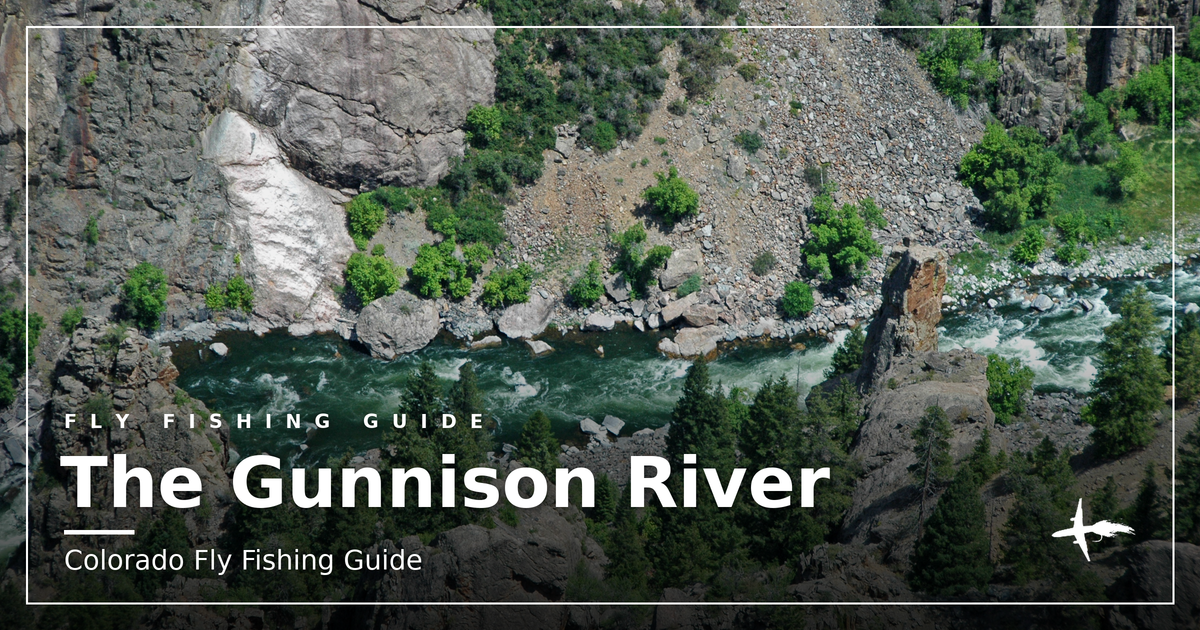
The Gunnison River in southwestern Colorado is the state's second largest river, flowing approximately 180 miles through western Colorado and offering some of the finest Gunnison River Fly Fishing in the continental United States. The river breaks into distinct sections, each with unique character. The upper Gunnison from Almont to Blue Mesa Reservoir runs through high-elevation valleys with abundant public access along Highway 135. Below Blue Mesa, the river flows through the Black Canyon of the Gunnison National Park, where canyon walls rise hundreds of feet above the water and access is extremely limited. Downstream lies the Gunnison Gorge National Conservation Area, offering 14.5 miles of Gold Medal water accessible only by hiking in. The entire lower river from 200 yards below Crystal Dam downstream to the North Fork is designated Gold Medal and Wild Trout water. Colorado Parks and Wildlife surveys documented more than 10,000 fish per mile in the Gunnison Gorge, with the fishery exceeding 400 pounds of fish per acre.

The Trout
Brown trout dominate the Gunnison, accounting for roughly 80% of the population. The average brown in the Black Canyon section runs between 14 and 17 inches, with numerous fish in the 17- to 22-inch range. Trophy browns in the 20-24 inch class are common in the Gunnison Gorge during the salmonfly hatch. Browns took over after whirling disease decimated rainbow populations in the mid-1990s, and they now number about 5,000 fish per mile in the gorge.
Rainbow trout make up the remaining 20% of the fishery and are making a strong comeback after near elimination by whirling disease. Many Hofer-strain rainbows now range between 6 and 16 inches, with trophy rainbows over 20 inches present. Colorado Parks and Wildlife requires immediate release of all rainbow trout to support population recovery.
Cutthroat trout are found mostly in the upper Gunnison, where cooler water temperatures at higher elevations support them.
Best Seasons
Late June through July offers the best combination of stable flows and active hatches. The peak season runs from mid-June to late September. September through early November provides exceptional streamer fishing with dramatically reduced crowds after Labor Day.

Winter fishing is challenging and only for dedicated anglers willing to brave harsh conditions. Mid-April through May brings runoff, with rising water levels and reduced clarity making fishing difficult. The upper Gunnison sees runoff earlier than the tailwater sections below Crystal Dam, where dam releases moderate the spring rise and keep fishing more consistent.
Hatch Calendar
November Through February
Winter conditions shut down most of the river. Float fishing within the Gunnison Gorge ceases as waters cool and trout hunker down in deep holes. Anglers are primarily limited to tailwater fisheries near Gunnison Forks and the Taylor River to find feeding fish in unfrozen water. Midge patterns dominate fly choices during these months. Tactical anglers can still find success with midge and baetis patterns in slower waters, but this is tough fishing for only the heartiest anglers.
March Through Mid-April
Before runoff kicks in, the river runs clear and cold. Trout become increasingly active as water temperatures begin to rise. Blue-Winged Olives and midges are your best options. Fish will be rising on warmer afternoons when BWO hatches come off. Midges dominate through March and into April, with BWOs joining the mix as water temperatures climb. Nymphing with midge larva and caddisfly larva imitations produces consistent results.
Mid-April Through May
Snowmelt begins in earnest, usually by mid-April. Water levels rise and clarity drops, making fishing more difficult. Stonefly nymphs become effective by late April as the bugs begin their migration toward the banks. This is generally the toughest window of the year due to high, off-color water.
Late May Through Mid-June
The salmonfly hatch is the event of the year on the Gunnison. When air temperature and flows reach optimal levels between late May and the end of June, several hatches happen simultaneously, including salmon and golden stoneflies, yellow sallies, caddis, and PMDs. The salmonflies themselves are massive—2 to 3 inches long—and bring big browns to the surface. For a few weeks the fishing is as good as it gets on any Colorado river. Peak emergence typically lasts 3 to 7 days per river section. Trophy browns in the 20-24 inch range become accessible to anglers willing to fish big dry flies close to the canyon walls where adults fall onto the water.
July Through August
Caddis are the most reliable summer hatch. Evening rises in the gorge can be dense and the fish are opportunistic. PMDs hatch mid-morning on summer days in the gorge. The sun hits the canyon late, so morning hatches start later here than on open rivers. Tricos appear in the stretches around town. Hopper patterns or Chubby Chernobyl with a dropper nymph work exceptionally well during late summer. Fish large, bushy patterns close to grassy banks in the afternoon heat. Hopper season runs July through September.
September Through October
Cooler night temperatures and fewer crowds make late September and early October a hidden gem. Brown trout begin staging for the spawn by late September, and their aggression toward streamers builds through October. This is prime time for anglers who want big fish. The river boasts a large kokanee salmon run in September and October—kokanee make their way up the Gunnison from Blue Mesa as they run to the Roaring Judy fish hatchery on the East River. Big trout follow the salmon to feed on their eggs. There is a catch-and-release season for kokanee from August 1 to October 31. BWOs provide consistent dry fly action on overcast afternoons, and Tricos appear in the morning on some stretches.
Flies & Tactics
Spring: Midges and Blue-Winged Olives
Before runoff, fish midge patterns and Blue-Winged Olives on warmer afternoons. Nymph rigs with midge larva and caddisfly larva imitations work well from late March until May runoff. Stonefly nymphs become productive by late April.
Late Spring: The Salmonfly Hatch
Fish big dry flies close to the canyon walls during the late May through mid-June salmonfly emergence. Focus on areas where adults fall onto the water. Golden stone patterns are equally important during this window. Carry yellow sally patterns for the smaller stoneflies that hatch concurrently.
Summer: Caddis, PMDs, and Hoppers
An Elk Hair Caddis in size 18 or a Goddard Caddis fished with some wake works well during summer caddis hatches. PMD patterns in sizes 16-18 are essential for mid-morning hatches. Hopper patterns in sizes 8-12—Parachute Hopper, Dave's Hopper, or Chernobyl Ant—fished close to grassy banks with a dropper nymph behind provide maximum effectiveness. Pheasant Tail Nymphs in size 20 work well as droppers and when nymphing independently. Trico patterns are necessary for morning hatches in stretches around town.
Fall: Streamers and BWOs
Streamers in the morning can be both fun and productive. Double Gonga in black, Kreelex, Cousin It, and Micro Peanut Envys in black are effective patterns. A Woolly Bugger or Sculpin pattern swung through a deep pool at first or last light can produce the fish of the season. BWO patterns remain important for overcast afternoons.
General Tactics
Core attractor dry flies, attractor jig nymphs for weight, and plenty of stoneflies and terrestrials are essential. A classic Pheasant Tail Nymph imitates a wide range of insects and works particularly well during mayfly hatches. For leader and tippet, 5X to 2X will cover all situations on the Gunnison. Consider having both longer leader lengths for presenting smaller dry flies and shorter, heavier line and leaders for larger dry-dropper rigs requiring better accuracy.
Where & How to Fish It
Upper Gunnison: Almont to Blue Mesa Reservoir

The upper Gunnison begins at the confluence of the Taylor and East Rivers in Almont, sitting at 7,900 feet between Gunnison and Crested Butte. This is the most accessible stretch—Highway 135 parallels much of it. Twenty miles of riffles, runs, deep pools, and cottonwood-lined banks offer abundant public access points managed by Colorado Parks and Wildlife and the BLM. The upper Gunnison is best fished from a boat in the early season during high water, with plenty of public access for wading during summer and fall. This section has been designated as both wild trout water and gold medal water.
Black Canyon of the Gunnison National Park
The river flows through Black Canyon of the Gunnison National Park, where canyon walls rise hundreds of feet and the trout see fewer anglers than anywhere else in Colorado. The easiest walking access is found by driving US 50 to Colorado 347, then along the South Rim of the Black Canyon to East Portal Road, which connects with the river between Crystal Reservoir and the canyon. There is approximately one mile of foot access at East Portal Road before the river becomes impassible due to sheer cliffs. East Portal Road offers the only paved vehicle access to a limited stretch near Crystal Dam and typically opens sometime in May, snow dependent. Guided fishing trips are not permitted in the Black Canyon. Fishing is prohibited within 200 yards downstream of the dam.
Gunnison Gorge National Conservation Area
Below Black Canyon, the river flows into the Gunnison River Gorge National Conservation Area. In the gorge, cliffs are not as steep and access is easier than in the Black Canyon, making it much more fishing-friendly. Guiding is permitted in the gorge. Access is only by foot—the journey begins with a 1-mile hike down the Chukar Trail to the wilderness canyon floor. Chukar Boat Launch is the only boater put-in for floating the Gunnison Gorge. The road ends at the wilderness boundary and all gear, including boats, must be carried down the trail to the river. No carts or wheeled devices are allowed in the wilderness. Several class III rapids, as well as numerous class II rapids, must be negotiated during this 14-mile stretch. Permits are self-issued at primary wilderness trailheads including Chukar, Bobcat, Duncan, and Ute.
Float vs. Wade
While there are ample opportunities for walk-and-wade anglers throughout the entire length of the Gunnison, both the upper Gunnison and the Gunnison Gorge are tremendous float-fishing destinations, with the Gorge easily rating as Colorado's marquee fly float trip. The Gunnison is a large river and most of it can be floated when flows are high enough. Ample wade fishing is available throughout the year.
Gear for the Trip
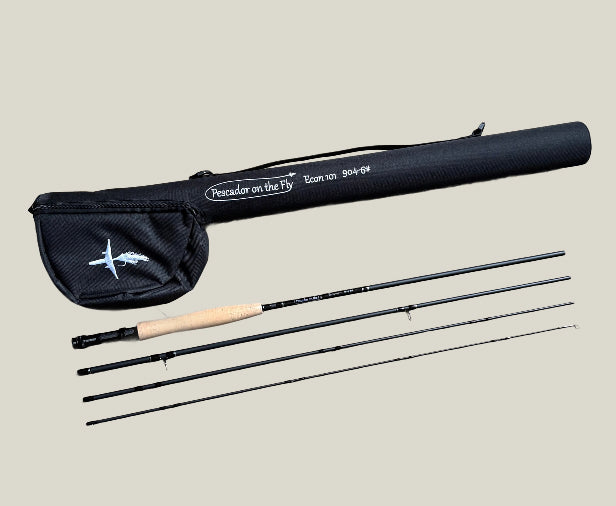
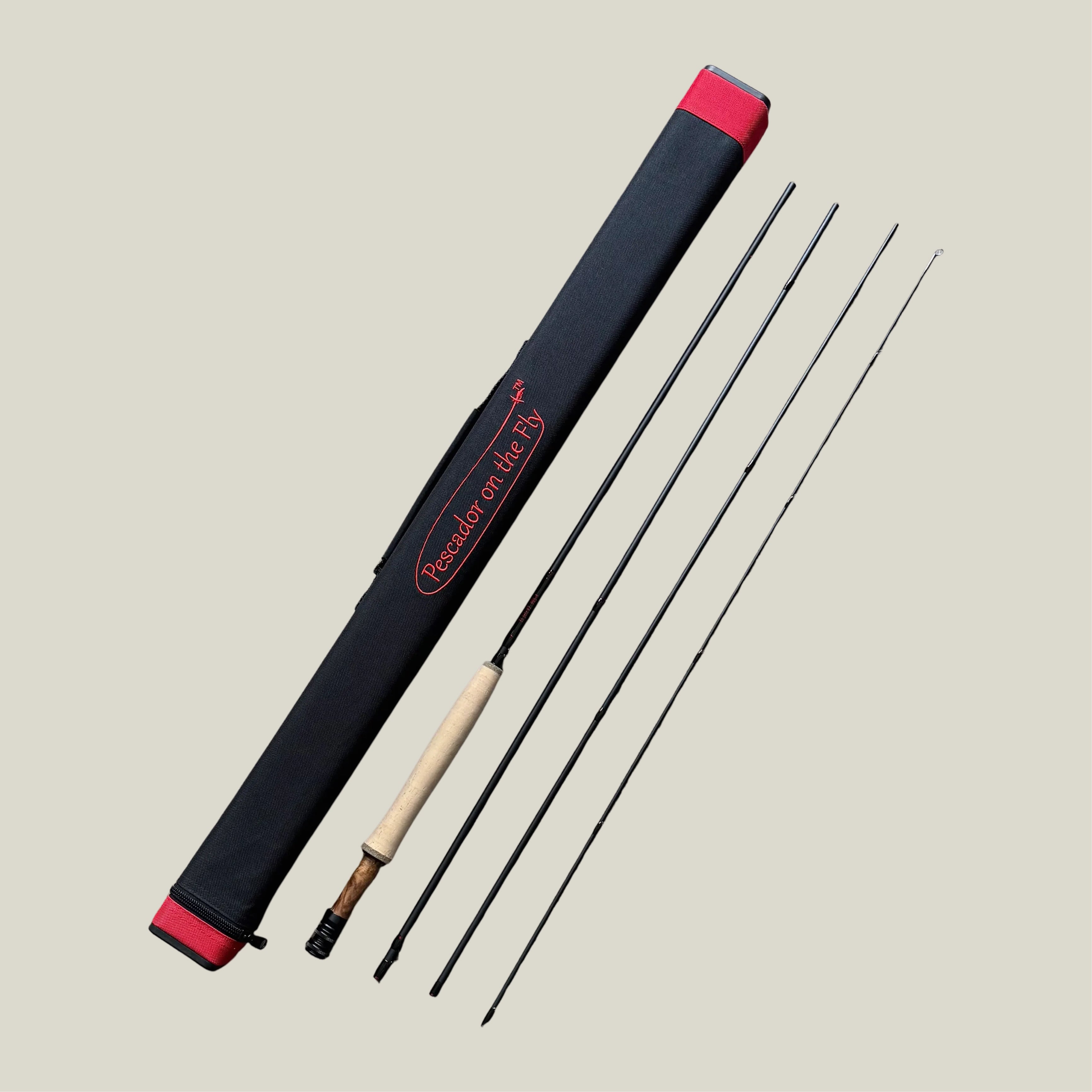
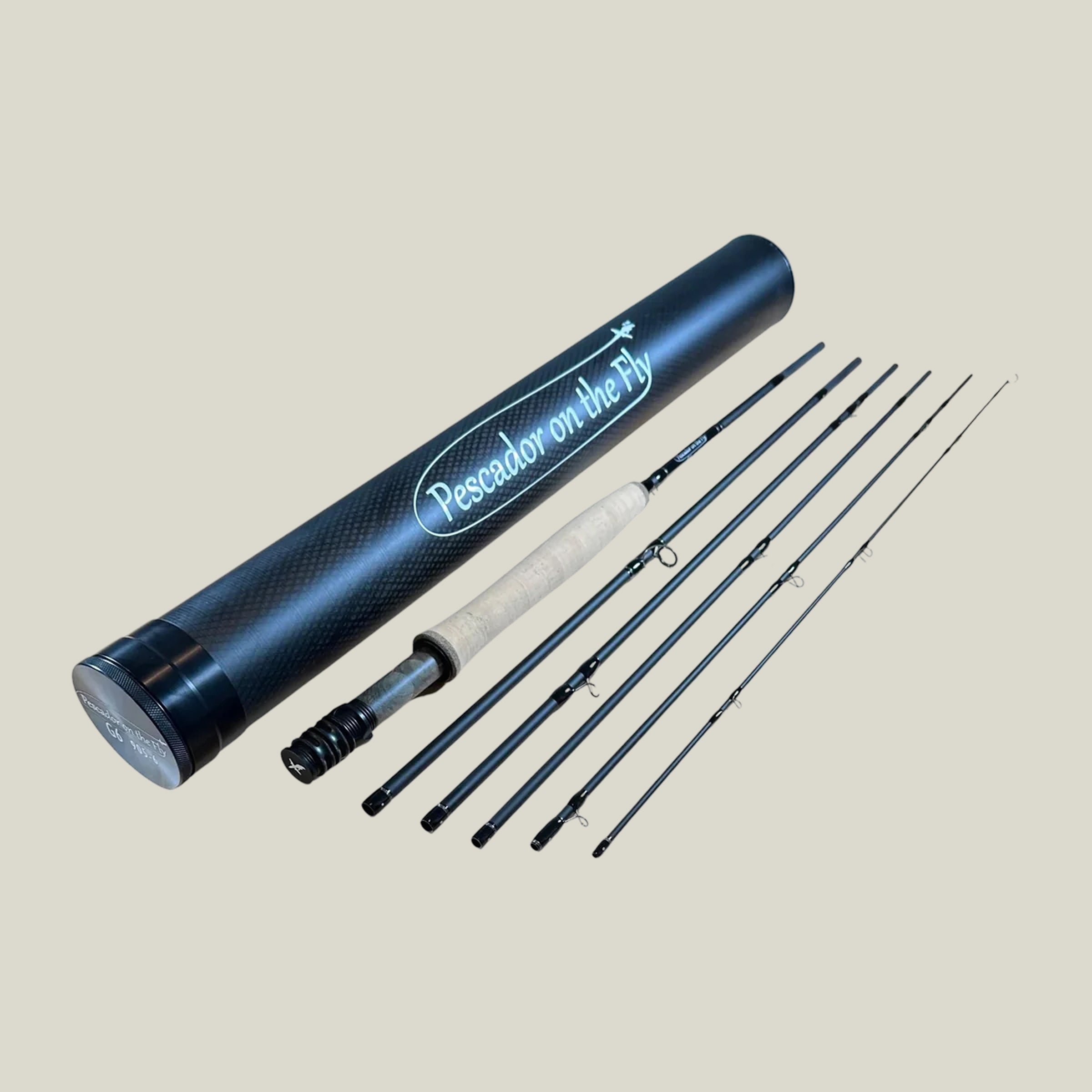
A 9-foot 5-weight fly rod is a good all-purpose choice for the Gunnison River. A 6-weight rod can also be used for heavier nymph rigs and streamers. The El Rey G6 six-section travel rods in either 5 or 6 weight pack easily for the hike into the Gunnison Gorge and handle everything from delicate dry fly presentations during the PMD hatch to swinging streamers for aggressive fall browns.
Carry a full selection of fly boxes: dry flies for match-the-hatch situations, large attractor dry flies for visibility and flotation in pocket water, attractor jig nymphs for weight, stonefly patterns in multiple sizes, and terrestrials for summer and fall fishing. Leaders and tippet from 5X to 2X will cover all situations. Wading boots with good ankle support and aggressive tread are essential for navigating slick canyon rocks.
For the Gunnison Gorge, plan carefully. You'll be packing everything in, including your boat if floating. All gear must be carried down the mile-long trail to the river. Weight matters.
Conservation & Regulations
A valid Colorado fishing license is required on all sections, plus a Habitat Stamp for anglers ages 18-64.
The Colorado Parks and Wildlife Department requires all rainbows to be released back into the river immediately to support population recovery.
Gunnison Gorge Wilderness permits are self-issued at the primary wilderness trailheads. Day-use fees are $3 per person. Overnight use is $10 per person for one night, $15 per person for two nights. The maximum stay length is 2 nights/3 days.
Black Canyon National Park Red Rock Canyon wilderness permits allow access for hiking, fishing, and camping during designated times. The reservation season generally runs May 1 through October 31, with exact dates varying each year. Maximum number of nights per permit is two.
Due to high water temperatures, lower flows, and reduced dissolved oxygen levels, Colorado Parks and Wildlife has issued voluntary fishing closures during certain summer periods. Anglers should plan to fish early and be off the water before noon during these closures on the lower Gunnison from the confluence of the North Fork to the Highway 65 Bridge. Check current regulations before your trip.
The entire stretch within the Black Canyon is designated as Gold Medal Waters and Wild Trout Waters, meaning trout populations are self-sustaining. Respect this resource.
Hero photo: James St. John, CC BY 2.0, via Wikimedia Commons.



Leave a comment
All comments are moderated before being published.
This site is protected by hCaptcha and the hCaptcha Privacy Policy and Terms of Service apply.