




At a Glance
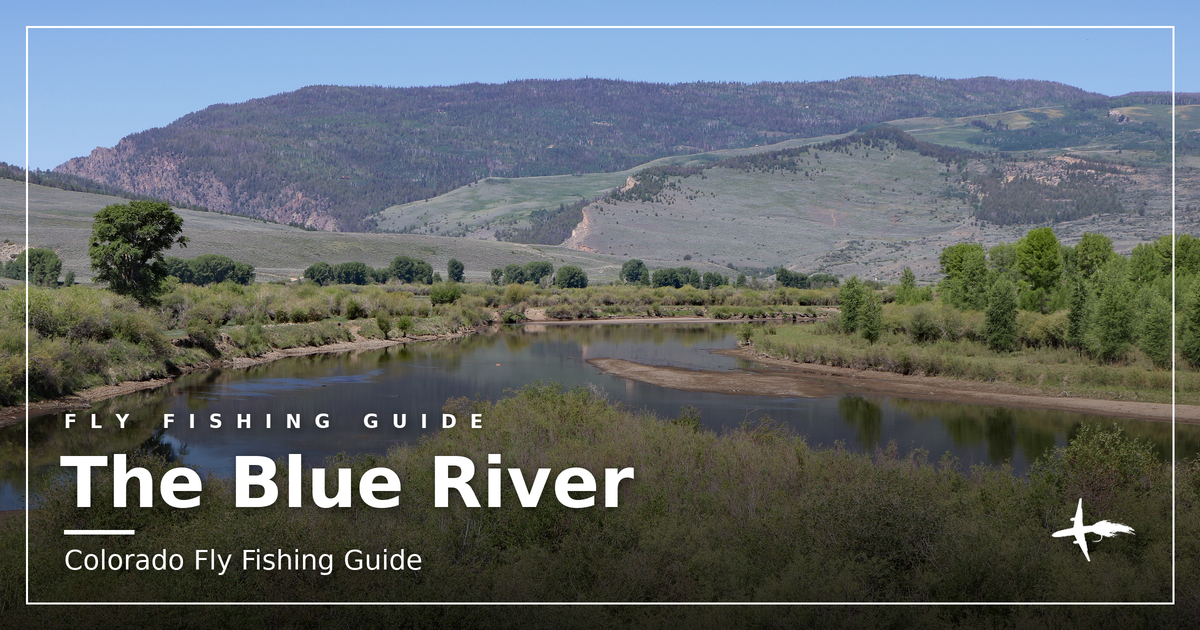
The Blue River below Dillon Dam is a classic Colorado tailwater flowing through Silverthorne in Summit County. This 19-mile stretch from Dillon Dam to Green Mountain Reservoir is Gold Medal water famous for trophy rainbow trout that feed heavily on mysis shrimp swept from Lake Dillon. The river averages 15 to 20 yards wide through town, with gin-clear water and stable year-round flows that stay in the lower 40s°F. It's technical water—ultra-clear conditions, heavy pressure, and selective trout demand precise presentations with small flies and light tippets. The Blue continues below Green Mountain Reservoir through remote canyon water to the Colorado River at Kremmling, but the upper tailwater section is where most anglers focus. Blue River Fly Fishing is productive year-round, including winter.
The Trout
The Blue holds rainbow trout, brown trout, Snake River cutthroat, and brook trout. The upper stretches below Dillon Dam hold the highest concentration of trophy rainbows, with fish in the 6- to 10-pound range common and trout over 24 inches spotted frequently. These rainbows fatten up on mysis shrimp from the reservoir. Browns and brook trout are present throughout, and in the fall, Kokanee salmon enter the river from Green Mountain Reservoir to spawn.
Best Seasons
The Blue fishes well year-round. The best season runs from mid-June through the end of November, when hatches are most consistent and weather is comfortable. Summer and fall bring caddis, stoneflies, PMDs, and the river's famous Green Drake hatch. Blue River Fly Fishing hits its peak toward the middle of summer, and when the Drakes pop, the Blue is the place to be.
Winter is productive—this is one of the best winter fishing locations in Colorado. Low winter discharges provide excellent access, and trout feed on midges, small BWOs, and mysis shrimp when conditions allow. While others are skiing, you can have the river's huge rainbows to yourself.
Spring on the Blue is known for larger and more colorful fish, though releases to accommodate runoff can be heavy at times in May and June. The river can get crowded during spring, summer, and fall, especially the easily accessible Silverthorne stretch. The northern sections tend to draw fewer anglers even in peak season.
Hatch Calendar
The Blue's cold water temperatures don't produce a large variety of hatches, but what it does produce is reliable. The feeding window is tied to water temperature—this is not a great morning fishery, but as water gradually warms throughout the day, fishing improves dramatically. Generally speaking, the best time of day is from around mid-morning until early evening.
Year-Round
Mysis shrimp and small midge larvae are staples of the trout's diet. Midges hatch year-round but are most important from September through winter into April. These tiny insects in sizes 18 to 24 produce consistently, especially in slower runs and pools from mid-morning to early afternoon.
Winter (December–February)
Water is cold, clarity is extreme, and trout rely on a consistent diet of midges, small baetis, and mysis shrimp. Low winter discharges provide excellent fishing all winter long. Expect to fish tiny flies in sizes 22 to 24 with 5X or 6X tippet. Patterns like the RS2, WD40, and basic thread midges work well.
Spring (March–May)
Blue Wing Olives appear from mid-March through mid-May in sizes 16 to 20. Releases to accommodate spring runoff can be heavy at times in May and June, which can disrupt fishing. Spring is known for larger and more colorful fish.
Summer (June–August)
Summer is a great time for Blue River Fly Fishing due to cold water releases and active aquatic insect hatches. Green Drakes hatch from late June through the end of August in sizes 10 to 12. Golden Stones appear from early June through the end of August in sizes 8 to 10. Yellow Sallies emerge from late June through the end of August in sizes 12 to 18. Pale Morning Duns (PMDs) hatch from mid-July through mid-September in sizes 16 to 18. Caddis hatch starting early in May and continue to the end of October. This stretch of the Blue experiences quality Green Drake and BWO hatches in the warmer months, along with red quills, caddis, PMDs, and stoneflies. Visibility is best during the summer months—June and July offer crystal clear water.
Fall (September–November)
Blue Wing Olives return from early September through the end of October in sizes 16 to 20. BWOs are especially effective on overcast days during late morning to afternoon when the hatch peaks—target rising trout in seams and eddies. Large brown trout and Kokanee salmon move out of Green Mountain Reservoir upstream into the Blue River to spawn in the fall. The river slows down, the crowds head out, and the Blue becomes a very tranquil spot to fly fish. Fishing just below Dillon Dam and finding eddies while wading will be your best bet for catches. In October, when other food sources are limited, trout feed heavily on mysis shrimp.
Flies & Tactics
Mysis Shrimp Patterns
Use of a mysis shrimp pattern in sizes 16 to 20 as the main fly is key—a translucent imitation creates a natural-looking meal. Mysis shrimp patterns are best used below Dillon Reservoir year-round, especially in October when other food sources are limited and trout feed heavily on these shrimp.
Midges
Tiny flies in sizes 18 to 24 with 5X tippet are the foundation of Blue River tactics. Patterns like the RS2, WD40, basic thread midges, disco midge in red (sizes 18-22), rojo midge in black (sizes 20-22), flashback BWO Barr's emerger (sizes 18-22), and Johnny Flash in olive or brown (sizes 18-22) all produce. The Black Beauty in sizes 20 to 24 is great for targeting trout feeding on midge larvae during mid-morning to early afternoon in slower runs and pools.
Blue Wing Olives
BWO patterns in sizes 18 to 22 are effective on overcast days, especially in October when BWOs are prevalent. Use these during late morning to afternoon when the hatch peaks, and target rising trout in seams and eddies.
Additional Effective Patterns
Top Secret Midge (20-22), Manhattan Midge (20-22), Jujubaetis (20-22), Top Secret Baetis (20-22), Chocolate Foam Wing Emerger (20-24), Micro San Juan Worm (18), Red Larva (20-22), Mercury Blood Midge (20), Flashback Mercury Black Beauty (20), Buckskin (18), Amy's Ant (10), PMD (16), Elk Hair Caddis (14-16), Mathew's Sparkle Dun (20), Mole Fly (22), and Parachute Adams (16-20). Try caddis larvae and leeches in sizes 10 to 16 in tandem with your smaller offerings such as midges and mysis shrimp in sizes 18 to 26.
Technical Considerations
Think natural—no bead heads, minimal flashback. Fluorocarbon tippets are a must when fishing the first mile or so below the dam. Ultra-clear water, steady flows, and heavy angling pressure require precise drifts, small flies, and careful depth control. Trailing a small midge or emerger behind a mysis shrimp pattern completes a successful two-fly rig for these wary fish.
Where & How to Fish It
Wading Access
Most of the Blue River is wade fishing, and it's easily accessible via multiple trails. Public access throughout Silverthorne and along Highway 9 provides opportunities to explore a variety of water types. Highway 9 parallels the river and offers numerous public pullouts including the Eagles Nest, Sutton Unit, and Blue River Campground accesses. Look for the "P" for parking signs along Highway 9 for best access to this stretch of river—it's mostly public land, so no need to worry about trespassing when fishing near the designated parking areas.
Walk-and-wade fishing is best between 150 and 300 CFS. Wading gets dangerous once flows push over 300 CFS. Recent flow reports show considerable variability, ranging from 54 CFS up to several hundred CFS depending on reservoir operations and season. Below Green Mountain Reservoir, flows in the 254 CFS range mean good wade fishing conditions.
Floating
Seventy percent of the land surrounding the Blue River is private, so float fishing the Lower Blue River is the best way to access certain stretches. In Colorado, it is illegal to wade or anchor while floating through private water, so stay in your boat to avoid a ticket. Current public access to float fish the Lower Blue River is provided at Green Mountain Dam, which is actually a fifty-foot steep hill—the site is unimproved, and the boat ramp is steep at about 60 degrees. Ropes to belay your raft are necessary to get it safely to the water. Drift boats will not negotiate this stretch safely.
When the flows are over 500 CFS, it is possible to float this stretch of river to the confluence of the Colorado River. The float is very technical and combined with long stretches of private water—this section of river should only be tackled by seasoned oarsmen.
Gear for the Trip
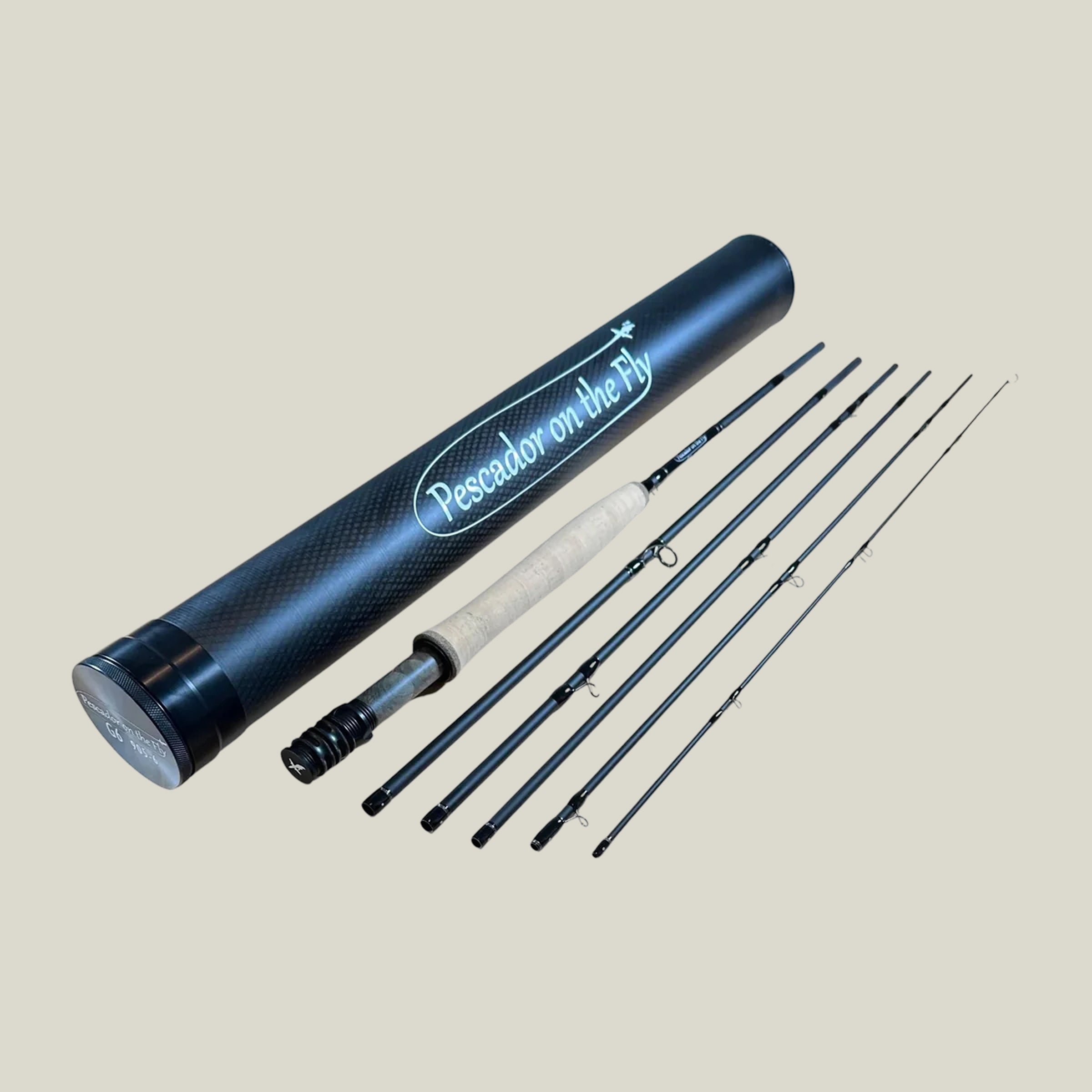
A 9-foot 4-weight or 5-weight rod handles the Blue's typical conditions. The technical nature of this water rewards accuracy and delicate presentations. If you're traveling to Colorado from out of state, our El Rey G6 six-section travel rods pack small and fish well in tailwater situations like this.
Bring fluorocarbon tippet in 5X and 6X for the clear water near the dam. A good selection of mysis shrimp patterns, midges, and BWOs in sizes 16 to 24 will cover most situations. Nymphing is the dominant technique—carry split shot and strike indicators or use Euro-nymphing methods. Polarized sunglasses are essential for spotting fish in the clear water, and wading boots with good traction help on slick rocks. Water temperatures stay in the lower 40s year-round, so neoprene waders are comfortable even in summer.
Conservation & Regulations
The Blue River operates under Gold Medal regulations. The waters from the dam downstream to the northern limits of Silverthorne (about three miles) are catch and release only. After that, minimum size is 16 inches, and a maximum of two fish may be taken per day. Fishing with artificial flies or lures only on this entire segment.
The Silverthorne stretch is easily accessible and can be busy—practice good stream etiquette and give other anglers space. When the sun reaches the water late morning, trout feed just enough to reward disciplined presentations, especially in softer edges and mid-channel seams. This section of the Blue below Dillon sees considerable fishing pressure throughout the year, so treating the resource with respect matters.
Our Days on the Blue River
We've documented our own time on this water in our trip report DIY on The Blue River in Colorado, where we walked through access, flies that worked for us, and what a day on this tailwater actually looks like.
Hero photo: Jeffrey Beall, CC BY 4.0, via Wikimedia Commons.


Leave a comment
All comments are moderated before being published.
This site is protected by hCaptcha and the hCaptcha Privacy Policy and Terms of Service apply.