




At a Glance
The Beaverhead River is a 70-mile tailwater flowing from Clark Canyon Reservoir through Dillon, Montana, before meeting the Big Hole at Twin Bridges. Cold water released from the bottom of the dam keeps temperatures stable year-round, creating one of Montana's most productive trout fisheries.
This is classic tailwater character: fast riffles, tight corners, short deep pools, with willow-lined banks and undercut edges. Weed beds and deep runs provide exceptional trout habitat. The upper section—Clark Canyon Dam to Barretts Dam—receives the heaviest pressure and holds the densest fish populations. Below Barretts, the river narrows and winds through private ranchland with limited access but equally large fish.
Anglers travel to the Beaverhead specifically for trophy brown trout. The river produces more large browns than any other river in Montana, with fish over 24 inches caught regularly. But clarity, fishing pressure, and selective feeding make presentations difficult. This is technical water that rewards precision.
The Trout
Brown Trout
Brown trout are the river's signature species. In the tailwater from Clark Canyon Dam to Barrett's diversion, brown trout densities average about 1,500 fish per mile and range between 550 and 2,500 fish per mile depending on the stretch.
A common brown runs twelve to fifteen inches, but larger browns stretching well past the twenty-inch mark are present in high numbers. Fish in the 18 to 22-inch range are common, and browns over 24 inches are caught regularly, particularly by anglers who know where the big ones stage in late summer and fall.
Browns here are elusive, preferring deeper pools and undercut banks. With the river's twists and heavy fishing pressure, the trout are finicky—presentations must be accurate and well thought out. Heightened pressure has produced educated fish. Where heavily weighted buggers with short stout leaders once worked, realistic nymph patterns properly presented prevail today.
Rainbow Trout
While the Beaverhead River is best known as a brown trout fishery, it also contains some bruiser rainbows. In the upper reaches, massive rainbow trout flash through the water—these fish are fussy and suspicious, but a perfectly cast fly will land a trophy. Rainbows regularly approach 20 inches in length and share similar habitat with the browns.
Best Seasons
The Beaverhead is fishable year-round, though the most productive stretch from Clark Canyon Dam to Pipe Organ Bridge is closed from November 1 through the third Saturday in May for spawning protection.
Peak season runs June through August for dry fly fishing during the PMD, Yellow Sally, and caddis hatches. July is always the prime month on this fantastic tailwater fishery—there are days when you can pick your hatch: PMDs in the morning, caddis in the evening, Yellow Sallies in between.
Spring (March to May) offers excellent nymphing with light pressure before the summer crowds arrive. Fall is best for streamer fishing as browns go into pre-spawn mode, with aggressive fish willing to chase larger patterns.
Winter fishing is possible and can be excellent for midges near the dam, with the tailwater keeping temperatures stable enough for chironomid activity even when most other Montana rivers are running ice. You can fish rising trout here in the middle of February with the right midge patterns.
The Beaverhead is not susceptible to typical spring runoff conditions, which is a major advantage compared to freestone rivers. However, Montana heat can trigger hoot owl restrictions during summer, limiting fishing to morning hours. During drought conditions, the river can experience severe flow reductions and closures—drought closures can be placed in effect when outflows from Clark Canyon Reservoir drop to 50 cfs or less.
Hatch Calendar
Beaverhead River Fly Fishing success hinges on matching the abundant hatches throughout the season. The river boasts exceptional aquatic biomass in its upper reaches, with scuds, sow bugs, midges, and mayflies providing year-round feeding opportunities.
March Through May: Spring
Blue-Winged Olives appear March through May and are especially common during cooler, overcast days. Sizes 18 to 22 cover most situations, with fish rising consistently when weather turns gray and damp.
Caddis begin appearing in May and continue through October, making them one of the most reliable hatches on the river. During early to mid-spring months, overlapping hatches of baetis, caddis, and midges are common.
Midges are essential during spring and appear year-round, particularly near the dam where temperatures stay stable. Chironomid activity keeps fish feeding even on cold days when nothing else is moving.
June Through July: Peak Summer Season
The best time for dry fly fishing is in early summer when the Beaverhead sees a strong hatch of pale morning duns, caddis, and yellow sallies. Peak fishing occurs mid-June through early August during PMD hatches overlapping with caddis and Yellow Sally stoneflies.
Pale Morning Duns appear late June through July as a consistent hatch that keeps trout feeding mornings and evenings. The PMD hatch begins close to June 20th. These are small mayflies, size 14 to 18, and dry fly options like Sparkle Duns or cripple patterns work great for picky trout sipping mayflies off the surface.
Yellow Sallies appear in July—small golden stoneflies irresistible to Beaverhead trout. The Yellow Sally hatch on the Beaverhead is remarkable. In the faster riffle sections, these small stoneflies emerge in clouds during midsummer, and the fish respond. Yellow Stimulators and Yellow Sally patterns in size 14 to 16 produce well during the hatch windows, typically mid-morning to early afternoon.
Caddis are a reliable favorite, especially in the summer evenings. Sizes 12 to 18 cover most situations from June 15 to September 15. With the abundance of hatching insects, the best dry-fly fishing usually happens at dusk and dawn.
August Through September: Late Summer
August sees Tricos and exciting crane flies making their descent on the water. Trico midges feature in late summer, creating spinner falls that can bring every trout in a flat to the surface. Trico fishing is technical: small flies (sizes 18 to 20), fine tippet, and accurate presentations on calm water. Trico hatch timing is August 5 to September 15.
Blue-Winged Olives also appear in September, especially common during cooler, overcast days. Sizes 16 to 22 match the smaller late-season BWOs.
Terrestrials are important, especially ants and beetles—grasshopper imitations will also catch fish, but ants and beetles are eaten more by the trout, anytime from around the first of July through the month of September.
October Caddis hatch in September and October, but the hatch is not considered a major event on the Beaverhead.
Fall: September Through October
Fall provides excellent streamer fishing for large browns as they go into pre-spawn mode. Large streamer patterns in olive, black, and white provoke strikes from fish that ignored everything else all summer. Fall is also when the caddis fishing on the lower sections is at its peak.
The upper section from Clark Canyon Dam to Pipe Organ Bridge closes November 1 for spawning protection and does not reopen until the third Saturday in May.
Winter: November Through February
Winter fishing is possible and can be excellent for midges near the dam, though southwestern Montana winters are not mild. Midges are essential during winter months and appear year-round. The tailwater keeps temperatures stable enough for chironomid activity even when most other Montana rivers are running ice or too cold for surface feeding.
Keep in mind the upper section remains closed through the third Saturday in May, so winter fishing is limited to the lower stretches below Pipe Organ Bridge.
Flies & Tactics
Nymphing
The Beaverhead is best known for technical nymph fishing. Nymphing with small hatch-matching patterns is the predominant technique in the upper reaches. Technical fly fishing using tandem nymph rigs with heavy weights added to keep the flies near the bottom is the standard technique.
Popular nymph patterns include Hares Ear, Little Beaverhead Stone, and Bead Head Pheasant Tail, in sizes 10 to 16. Try a Pheasant Tail or Hare's Ear in tandem with a Prince Nymph or Caddis Larva.
Scuds, larva, aquatic worms, and leeches are also abundant on the Beaverhead, and an imitation of one of these invertebrates paired with a small soft-hackle or mayfly nymph is a good setup. The nymph fishing is always outstanding on the Beaverhead with classic tailwater patterns like San Juan worms, pheasant tails, sow bugs, and midges.
Dry Flies
Popular patterns for dry fly action are Elk Hair Caddis, Sparkle Dun, and X-Caddis in sizes 16 to 18. Elk Hair Caddis and Stimulator patterns in size 14 to 18 cover most surface situations.
Specific hatch matching:
- Caddis: sizes 12 to 18, June 15 to September 15
- BWO: sizes 18 to 22 in March, sizes 16 to 22 August through September
- PMD: sizes 16 to 18, July 15 to August 15
- Little Yellow Stone: sizes 12 to 16, July 1 to August 15
- Tricos: sizes 18 to 20, August 5 to September 15
For anglers who prefer to fly fish on top, early mornings and late evenings are the best time to use dry flies, when hatches are most concentrated and fish are actively rising.
Streamers
Streamers are very important flies—the large browns just don't rise to dry flies very often, and streamers work great to take the big ones. The river has a lot of baitfish, sculpin, and plenty of crayfish in it—you should use streamers that imitate them.
Streamers like Yuk Bugs and Woolly Buggers stripped fast along the willow-lined cut banks will trigger aggressive strikes from large pre-spawn browns in the fall. Streamer fishermen are getting it done on the lower stretches with black and olive patterns.
Streamer fishing on the Beaverhead is about targeting the biggest fish in the river—large browns hold in the undercut banks and deep bends throughout the river, and stripping a streamer tight to the bank, with a bit of twitch to trigger the strike, is how you get them.
Where & How to Fish It
Upper Section: Clark Canyon Dam to Barretts Dam

The Clark Canyon Dam to Barretts Dam section receives the highest fishing pressure. The upper section below Clark Canyon Dam is wider, reads with riffles and bends and willow-laden banks, and has the most public access via state Fishing Access Sites—if planning a trip to the Beaverhead, this stretch is the destination.
This section holds the highest concentrations of large brown trout in the river, along with quality rainbows, with exceptional bug life near the dam including scuds and sow bugs supplementing the midge and mayfly hatches—fish are fat and selective.
Starting at the dam and continuing to Barretts Diversion, the upper Beaverhead is accessible from six access sites, and wade and float fishermen alike will find this stretch unimaginably fruitful. Most anglers access the river near Barretts, Pipe Organ, and High Bridge, with both float fishing and walk-and-wade opportunities available.
Wading is difficult in the upper section due to the depth of the water, and bank fishing is extremely limited. Fishing the river from a drift boat is by far the most popular way to fish. Although there are several fishing access points that can be accessed by foot, the best way to fish the Beaverhead is by floating.
Lower Section: Barretts Dam to Dillon and Beyond
Once you pass Barretts Dam, the river changes—it becomes narrower and windier. The section below Barretts Dam is much shallower and can usually be easily waded. The lower Beaverhead fishes best in spring, early summer, and fall.
This section has a large brown trout population equal to the Clark Canyon Dam to Barretts Dam section, but access is limited with private land in abundance. Wade fishing is more practical on this stretch than on the upper river.
Flows and Conditions
The flow of the Beaverhead River is controlled by the Clark Canyon Reservoir. Before heading out to fish with plans to float, it would be wise to check the status of the river. Wade fishing on the Barretts Diversion Dam to Dillon section should not be too adversely affected by the reservoir activity as the river typically runs shallow in this section, but if floating the upper section from Clark Canyon Dam to Barretts Dam, it is imperative to check the cfs flows, as higher flows can make for dangerous, if not impossible, wade fishing conditions.
Typical flows on the Beaverhead River in winter range between 100 to 300 cfs, but can fall to as low as 50 cfs or less, leading to winter kill. At base winter flows, the river is too low to float. In May and early June, flows average around 1,000 cfs, but can balloon to over 1,500 cfs in high water years. The river then begins to creep down, settling into August with flows around 600 to 800 cfs, although it can be substantially lower during drought conditions.
Streamflows range from 500 cfs to 1,000 cfs during normal conditions. Typical flows in mid-summer on a high water year reach in excess of 1,000 cfs, making it tough on both guides and clients.
Fishing Pressure
Due to the excellent fly fishing, this section receives very heavy use from float parties. Studies have shown an increase in angler days on the river in excess of 28,000 per season, and with increased traffic on the river, new restrictions on outfitters and out-of-state float fishing parties have been instituted.
Heavy use, large and fussy brown trout, small nymphs, delicate tippets, frequent difficult water conditions, and the twisty nature of the river all conspire to make fly fishing the Beaverhead River a difficult experience. Good to excellent presentations are a must here.
Gear for the Trip
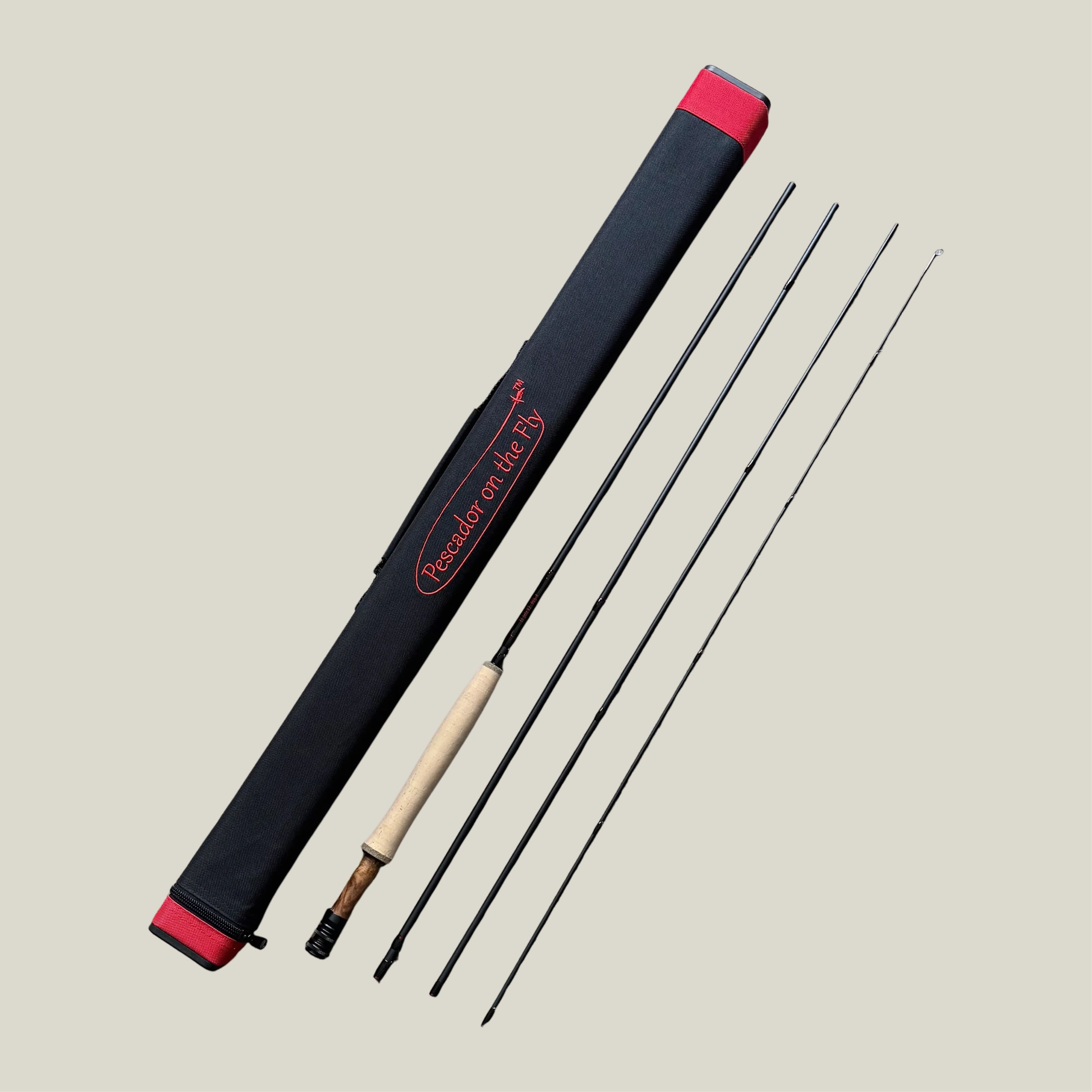
You need two rod setups to fish the Beaverhead properly. A 9-foot 5-weight with a floating line covers dry fly fishing and lighter nymphing and is the workhorse for most of the season. A 9-foot 6-weight with a floating line handles heavy multi-fly nymph rigs and streamer fishing, giving you the backbone to fight big browns in strong current.
Floating line works for all three methods on this river. You do not need a sink tip on the Beaverhead—a floating line with a heavier streamer or a small amount of added weight is enough to get the fly into the zone, and the current does the rest.
A tapered 9-foot leader, with tippet size 3X to 6X to match the flies you are throwing, is pretty standard. Given the clarity of the water and the selectivity of the fish, fine tippet is often necessary—don't hesitate to drop to 6X when trout are refusing larger diameters.
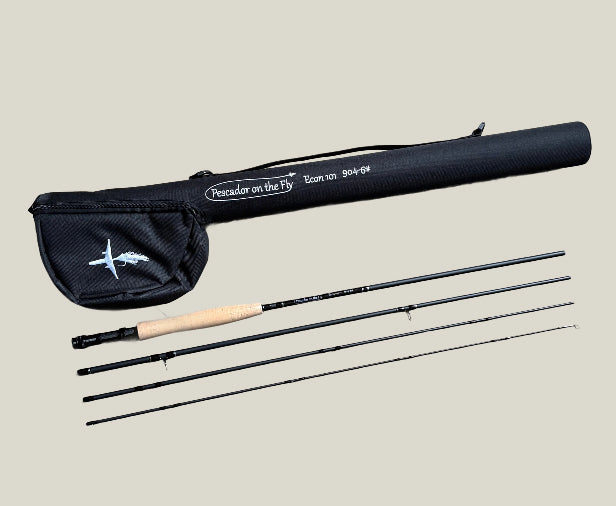
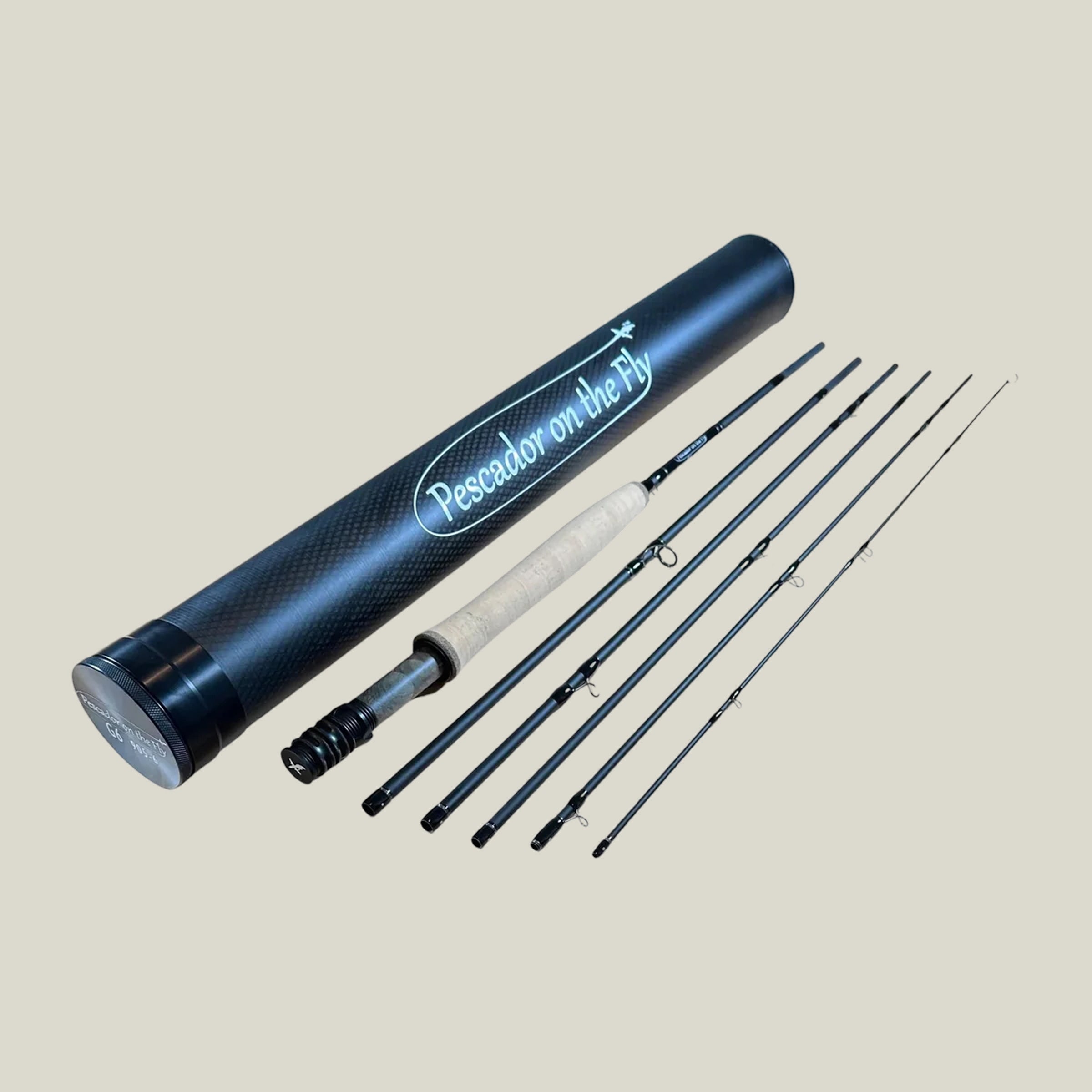
If you're traveling to Montana and want a rod system that covers the Beaverhead's range of techniques without checking a rod tube, consider the El Rey G6 six-section travel rods. The six-piece design fits in carry-on luggage, and the action handles both delicate dry fly presentations and turning big browns in tight quarters.
Conservation & Regulations
In the entire Beaverhead River, rainbow trout harvest is limited to one daily and in possession, and brown trout fishing is catch-and-release only. The regulations on artificial lures and single-pointed hooks apply to the entire Beaverhead River.
From Clark Canyon Dam to Pipe Organ Bridge, fishing is open only from the third Saturday in May through October 31. The dam to Pipe Organ is closed to fishing from November 1 to the third Saturday in May—it opens on Montana's general fishing season opener (always the third Saturday in May).
There are special regulations, so you want to make sure you check on current regulations prior to fishing the Beaverhead.
Float Restrictions
Float fishing by nonresidents and float outfitting is limited from the third Saturday in May through Labor Day. Each Saturday, float fishing by nonresidents and float outfitting is not permitted on the river reach from High Bridge fishing access site to Henneberry fishing access site. Each Sunday, float fishing by nonresidents and float outfitting is not permitted on the river reach from Henneberry fishing access site to Pipe Organ fishing access site.
Beginning the third Saturday in May through Labor Day, outfitter limits are: Clark Canyon Dam to Henneberry FAS—each outfitter limited to three boat launches per day; Henneberry FAS to Barretts Diversion—each outfitter limited to three boat launches per day; Barretts to Highway 91 South (Tash) Bridge—each outfitter limited to one boat launch per day; Highway 91 Bridge to Selway Bridge—closed to float outfitting.
Drought and Hoot Owl Restrictions
FWP's drought policy provides for angling restrictions when flows drop below critical levels for fish, when water quality is diminished, or when maximum daily water temperatures reach at least 73 degrees for three consecutive days.
Drought closure (fishing prohibited 24 hours) can be placed in effect for the Beaverhead River from Clark Canyon Dam to Pipe Organ FAS when outflows from Clark Canyon Reservoir are reduced to 50 cfs or less—the seasonal spawning closure in this reach, which runs November 1 through the third Saturday in May, remains in place regardless of river conditions.
Hero photo: Mike Cline, public domain, via Wikimedia Commons.


Leave a comment
All comments are moderated before being published.
This site is protected by hCaptcha and the hCaptcha Privacy Policy and Terms of Service apply.