



At a Glance
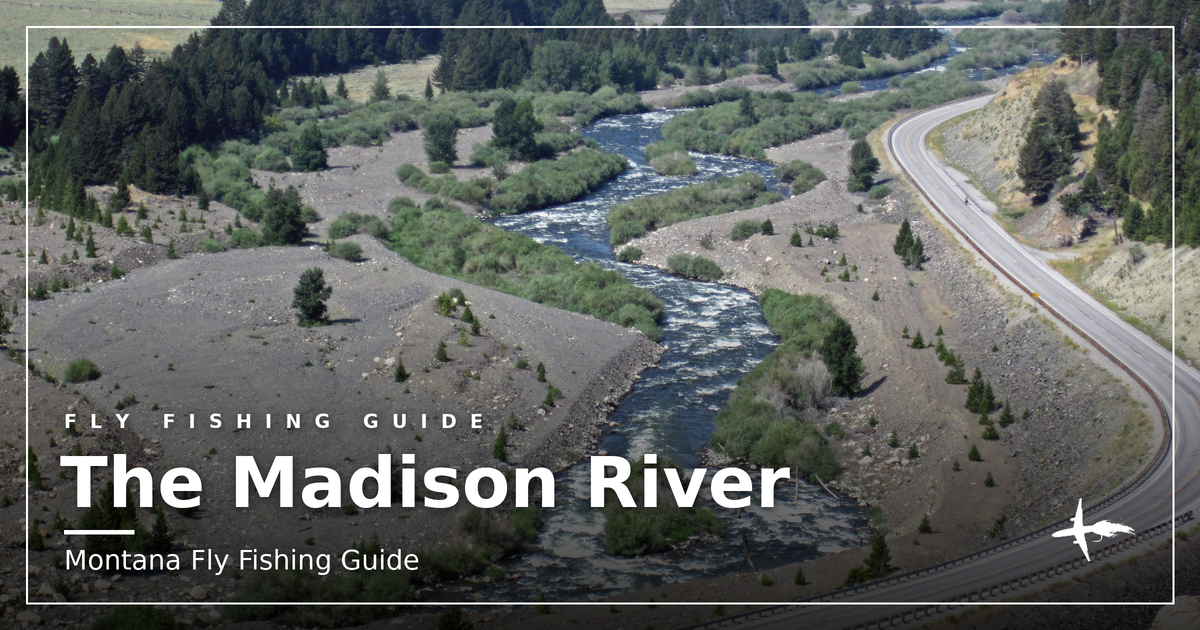
The Madison River in southwest Montana is frequently rated as the number one wild trout fishery in North America. The river runs from its headwaters at the confluence of the Firehole and Gibbon rivers in Yellowstone National Park to the confluence with the Jefferson River, changing character dramatically along the way.
Unlike typical western trout streams, the Madison is one long riffle dotted with boulders that break the current. The 50-mile stretch between Quake Lake and Ennis is known as the "50 Mile Riffle." This section offers consistent pocket water, runs, and riffles with exceptional wadeable access and floatable water below Lyons Bridge.
The Hebgen Dam helps moderate flows on the Madison, resulting in very consistent fishing from April until November. Controlled releases provide relatively cool water temperatures and high baseflows throughout the year, supporting stable populations of rainbow and brown trout during years when other rivers in southwest Montana experience high water temperatures and low flows.
The Trout
The Madison boasts 2,500+ trout per mile, with an average trout size of 12-16 inches and some 20+ inch browns and rainbows. Fish densities in the Varney Section are 1,200 trout greater than 10 inches per mile with 35% over 16 inches.

Rainbow Trout
Rainbow trout dominate the upper portions of the Upper Madison, with numbers increasing as does peak size closer to Ennis where brown trout become more prevalent. Rainbows love cold water and won't be found in the 50 Mile Riffle in the middle of summer. The Madison has a fall run of rainbow trout as well, giving anglers more shots at large trout.
Brown Trout
Brown trout were introduced to Montana in 1889 in the Madison River. They're some of the biggest fish in the Madison and can withstand warmer summer water temperatures. Brown trout are the main trout species in the Madison River downstream from Madison Dam. The section below Quake Lake holds the biggest browns in the river; in the spring of 2013, a dead brown that measured 38 inches and weighed 35 pounds was found in the area, and several fish over 30 inches have been caught in the last few years.
Cutthroat Trout
Though the Madison is best known for its robust runs of non-native rainbow and brown trout, the river still supports native species like mountain whitefish and westslope cutthroat trout.
Best Seasons
The Madison River is open to fishing 12 months a year. Late June through early July offers the most exciting fishing during the salmonfly hatch. September and October provide excellent dry fly fishing with smaller crowds. For technical challenge, April's Skwala hatch rewards patient anglers with rising fish on clear water.

The Madison River section in Yellowstone National Park is at its prime during the early and late weeks of the park fishing season between Memorial Day weekend and October 31. The park opens Memorial Day weekend and fishing can be good if the river is not too high from snowmelt.
During hot summer periods, the elevated temperatures from the Firehole's thermal influence extend to the Madison in the park, with fishing during peak summer not being as productive as other locations. At lower flows in late July and August, warm water temperatures can be an issue on hot days, especially in the afternoon. Daily fishing restrictions may be in place from 2pm to midnight on specific stretches when water temperatures exceed 73 degrees for three consecutive days.
Hatch Calendar
Winter: December–March
Winter Madison River fly fishing targets midges in slower water near geothermal areas. The river never freezes completely thanks to dam releases and warm springs. Blanket midge hatches bring pods of trout to the surface even on bitter cold days, and February dry-fly fishing can be exceptional on the lower river. Mild afternoons can produce steady action on midges and small nymphs. Midges in sizes 22-26 with pupa, emerger, and adult imitations all work in tan and black variations.
Spring: April–May
Skwala stoneflies are the first of the larger stonefly species to make their emergence, beginning their migrations in late February, with emergence peaking in March and April, and tapering off by June. The Skwala is the first real dry fly opportunity of the season and hatches when afternoon temps warm into the 40s and 50s. Fish the warmest parts of the day and target slower water near the banks, with crowds thin and the river fishing before most anglers arrive for the season.
The Upper Madison has a decent March Brown hatch that seems to have increased in recent years, and this tends to be about a 2-3 week hatch in early to mid-May.
Blue Winged Olives hatch in spring and fall on the Madison River, beginning in late March and lasting through May, with overcast days seeing the strongest emergence, especially on the Lower Madison. Spring BWOs range from size 14 to 16. Parachute Adams and BWO Sparkle Dun in size 18-20 are deadly during March and April Baetis hatches.
Spring runoff usually comes to Montana and the Madison sometime in the month of May, with the timing and intensity varying widely over time. Although the river levels will often rise significantly, good nymph fishing is usually available throughout most of this period each year. Water runs clear before runoff, typically at 800-1,100 cfs.
Mother's Day caddis appear in May, running size 14-16 in tan and brown. Spring brings Skwala stonefly and Mother's Day caddis, with water running clear before runoff.
Summer: June–August
By late June the runoff is usually well on its way to subsiding and the river is clearing daily. Snowmelt spikes flows to 1,400-1,800 cfs during peak runoff (late May to mid-June) then clears as salmonflies emerge, with optimal fishing sitting between 1,000-1,500 cfs.
Salmonfly Hatch (Late June–Early July)
Salmonflies are the hatch that put the Madison on the map decades ago and still bring many anglers back to the river. The salmonfly hatch typically begins around June 20-25 in the lower canyon near Beartrap and moves upstream over 2-3 weeks. By early July it reaches the Slide Area near Quake Lake. Water temperature of 52°F triggers emergence.
The hatch progression is: June 20-25 at Beartrap Canyon; June 25-July 1 peak action from Ennis to Varney Bridge; July 1-7 hatch moves through Varney to McAtee Bridge; July 5-12 Upper Madison from Slide to Lyons Bridge; July 10-15 final push near Quake Lake outflow.
For the salmonfly hatch, use size 4-6 foam patterns like Chubby Chernobyl (orange/black), Norm's River Hi-Vis, or Henry's Fork Foam Stone. Carry size 6-8 Pat's Rubberlegs in black and coffee for nymphing, and tie on a size 10 golden stone dropper since both hatches overlap. Large dry flies in various salmonfly imitations such as the Sofa Pillow, the Kaufmann Stone, and the Montana Stone in sizes 2-6 all catch fish.
High, cloudy water can severely hamper dry fly fishing during the salmonfly hatch. Trout will not be picky about what a particular fly looks like when fishing sub-surface in murky water. Due to the murky water, large patterns in sizes from 2-6 that are darkly colored (black is the preferred color) work best, and generally at least a foot of water clarity is needed to successfully fish in this fashion.
PMDs (Early July–Mid-August)
PMDs (Pale Morning Duns) hatch from early July through mid-August on the Madison River, with peak activity occurring between 10 AM and 1 PM on overcast days. PMDs hatch in the mornings during the summer months, with consistent rises in the flat, clear stretches between Ennis and Varney. Use size 16-18 PMD patterns in pale yellow and olive, with emergers and cripples often outfishing standard duns.
Caddis
Extensive caddis hatches occur during the summer along this stretch. Madison River caddis range from size 14-18 depending on species. Mother's Day caddis (May) run size 14-16 in tan and brown, and summer evening caddis are smaller at size 16-18 in tan and gray.
Terrestrials (July–September)
July and August are hopper season on the Madison River fly fishing calendar. When hatches fade, terrestrials take over, with hoppers, ants, and beetles blowing into the river on windy afternoons. Fish tight to banks and give the fly a twitch. Top hopper patterns include Morrish Hopper (size 8-10) in tan, yellow, and peach; Dave's Hopper (size 8-10); and Parachute Hopper (size 10-12), with high-visibility patterns working best in choppy water.
Fall: September–October
Cooler weather brings consistent nymphing, good dry fly opportunities on warmer afternoons, and excellent streamer fishing. September and October provide excellent dry fly fishing with smaller crowds.
September and October are the prime months to be on the lookout for the great "October Caddis," with spectacular dry fly fishing with huge caddis patterns in the afternoon.
Blue Winged Olives hatch in spring and fall on the Madison River. Fall BWOs range in size from 16 to 22.
Large, lake-dwelling trout begin moving into the river systems during late September and October and are accessible to fly anglers during this pre-spawn period, with productive fishing lasting as long as the weather (or in some cases, regulations) allows, usually sometime in mid-November.
Flies & Tactics
Nymph Patterns
The most productive year-round technique on the Madison is a double nymph rig: something large on top (stonefly nymph, large caddis nymph, or small streamer) above something small (perdigon, pheasant tail, small caddis, or zebra midge). Generally one large attractor nymph followed by a finesse "match-the-hatch" type nymph works well. You could do worse than fish a size 8 prince nymph followed by a size 16 prince nymph all season long.
Rubber-leg stonefly (whether you call it a Girdle Bug or a Pat's Rubber Legs) is a top choice for the Madison as stonefly nymphs are found in the river 365 days a year. Fish this pattern from a size 4 to a size 12 in at least six different colors, and generally speaking, in the spring use larger, darker versions and gradually go smaller and lighter as the season progresses.
The Prince Nymph is usually a first choice for a dropper pattern on the Madison as it is a great caddisfly imitation, and the river is thick with these bugs for much of the summer. Carry Princes from size 12 to size 18, and usually choose the size based on water level and clarity.
Some favorite Madison River nymph patterns include: Pat's rubber legs size 4-10, prince nymphs size 6-18, pheasant tail size 12-20, serendipity size 14-20, shop-vac size 14-20, lil spanker size 12-20, San Juan worm/wire worm size 6-12, sculpzilla size 8-10, lightning bug size 12-20.
Scuds and sow bugs in sizes 16-22 in orange and tan variations work well year-round.
Dry Fly Patterns
For salmonfly and golden stone patterns, use size 4-6 foam patterns like Chubby Chernobyl (orange/black), Norm's River Hi-Vis, or Henry's Fork Foam Stone. Carry size 6-8 Pat's Rubberlegs in black and coffee for nymphing, and tie on a size 10 golden stone dropper since both hatches overlap.
Use size 16-18 PMD patterns in pale yellow and olive, with emergers and cripples often outfishing standard duns.
Top hopper patterns include Morrish Hopper (size 8-10) in tan, yellow, and peach; Dave's Hopper (size 8-10); and Parachute Hopper (size 10-12).
Parachute Adams and BWO Sparkle Dun in size 18-20 are deadly during March and April Baetis hatches.
Streamer Patterns
Streamers include Woolly Buggers and Leech patterns in sizes 2-16. During runoff, large patterns in sizes from 2-6 that are darkly colored (black is the preferred color) work best, with Woolly Buggers being a popular pattern used during this period. Thin Mint and Woolly Bugger (olive, black) in size 6-8 are simple, proven patterns. Kreelex Minnow (silver/gold) in size 6 is great on the swing. Mini Dungeon (olive, tan) in size 4-6 for targeting bigger fish holding in slow runs.
Where & How to Fish It
Public Access

With numerous public access points, boat launches, and wade-friendly sections, anglers have a wide variety of fishing locations to choose from. Access points include Raynolds Pass, Three Dollar Bridge, Lyons Bridge, and Varney Bridge. Raynolds Pass provides wade access to fast pocket water below Quake Lake with no boats allowed in this stretch. Lyons Bridge has two concrete ramps on the west bank with a large parking area, and this is where the float section begins.
Public access in the Ennis area is only available at the Ennis Bridge in town and the Valley Garden access which is 2 miles downstream of Ennis. The Madison River offers a lot of access and more wading opportunities than other rivers in the area, though this also means there is a lot of fishing pressure. Walking a half mile to a mile down or upstream from these access points can lead to water with less fishing pressure and more opportunities to land some fish.
Wading vs. Floating
Float fishing inside Yellowstone National Park is not permitted so this section of the river is wade fishing only. Wade fishing is preferred in this stretch and fishing while floating is prohibited by law. Many anglers use drift boats or rafts to float from one productive run to another, stopping to wade-fish areas that are less accessible to wade anglers.
For those looking to float the Madison, there are several sections that are closed to floating, including from Hebgen Dam to Lyon Bridge and Ennis Bridge to Ennis Lake. From Quake Lake to Lyons Bridge fishing from boats is prohibited (wade fishing only); Lyons Bridge to Ennis Lake allows boat fishing.
Below Ennis the river becomes very shallow and branches into numerous braided channels. At higher flows it is very difficult to wade fish, and at lower flows in late July and August warm water temperatures can be an issue on hot days, especially in the afternoon.
Flow Conditions
Watch the USGS gauge at Kirby Ranch; optimal fishing sits between 1,000-1,500 cfs. Water runs clear before runoff, typically 800-1,100 cfs. Snowmelt spikes flows to 1,400-1,800 cfs; wade carefully.
Crowding
Interest in outdoor recreation has never been higher, and on the Madison River recreational use has been on a steady rise. In the past decade, fishing recreation has increased by about 65 percent (and commercially guided trips have increased proportionally). This section sees the heaviest guide traffic from mid-June through September.
Gear for the Trip
For Madison River fly fishing, a 9-foot 5-weight rod handles most situations from nymphing pocket water to dry fly fishing during hatches. A 6-weight is better during the salmonfly hatch when you're throwing large foam patterns and heavier nymph rigs, and it's also the better choice for streamer fishing in fall. A 4-weight works well for technical spring dry fly fishing to rising trout.
Weight-forward floating lines cover most of your fishing on the Madison. For streamer fishing, a sink-tip or full-sinking line helps get patterns down in deeper runs and along undercut banks.
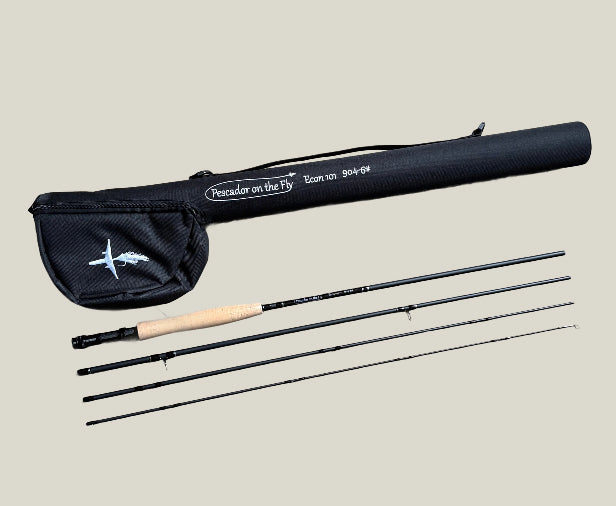
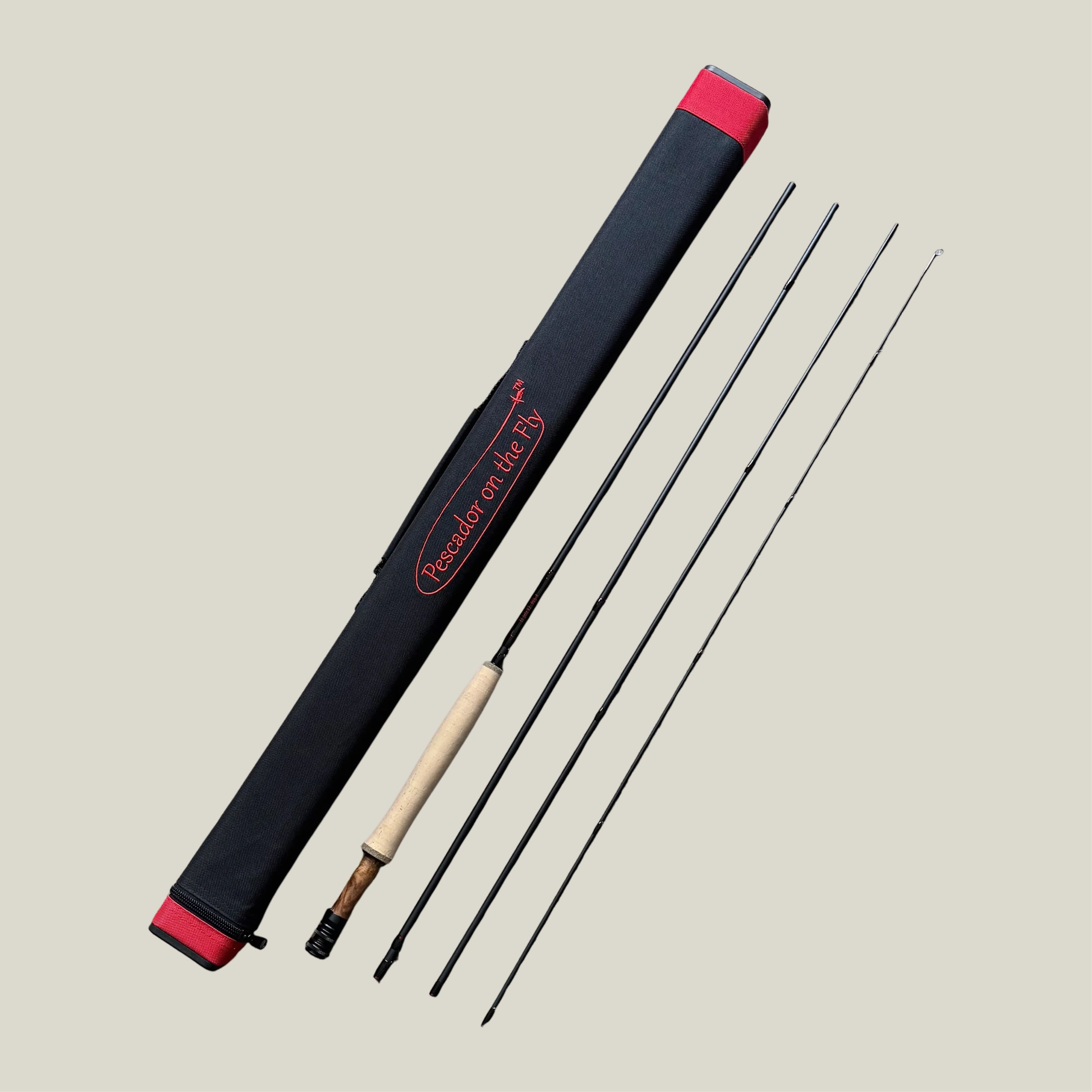
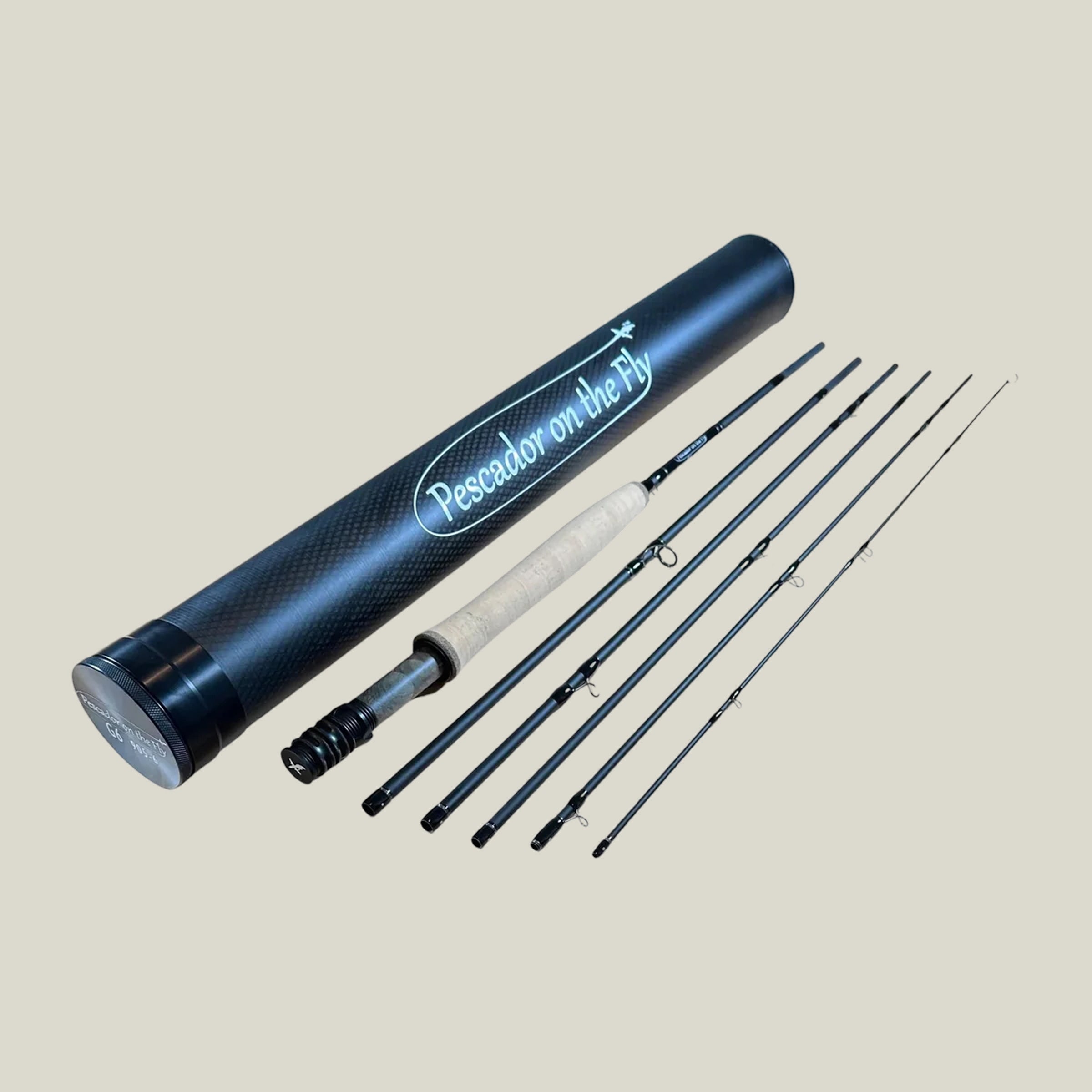
If you're traveling to the Madison from out of state, El Rey G6 six-section travel rods break down small enough to fit in checked luggage and fish as well as any one-piece rod.
Chest waders are the standard for the Madison. The river runs cold year-round from dam releases and snowmelt, and chest waders keep you comfortable even in summer. Felt or rubber-soled boots with studs provide traction on the boulder-strewn bottom.
Carry leaders from 7.5 to 12 feet depending on your approach. For nymphing with an indicator or euro-nymphing, a 9- to 12-foot leader works well. For dry fly fishing, a 9-foot leader tapered to 4X or 5X is standard. For larger dry flies during the salmonfly hatch, step down to 3X. For streamer fishing, use a shorter 7.5-foot leader with a stout 0X or 1X tippet.
Conservation & Regulations
Fishing Regulations
From Quake Lake to Ennis Lake, the Madison River is catch-and-release only for trout. Below Ennis Dam, anglers may keep 5 trout per day with only 1 over 18 inches. A large portion of the Madison River is under catch-and-release regulations and restricted to the use of artificial lures only.
Barbless, single-point hooks are required from Varney Bridge to Ennis Lake. From Quake Lake to Ennis Lake, artificial lures and flies only with no live or dead bait. Up to 2 barbed hooks are permitted upstream from Varney Bridge, while barbless hooks are required between Varney Bridge and Ennis Lake.
Anyone 12 years or older needs a valid Montana fishing license, conservation license, and Aquatic Invasive Species Prevention Pass. The river is now open year-round from the Montana/Wyoming border to the park boundary.
Hoot-Owl Restrictions
A daily fishing restriction is now in place for the lower Madison River to reduce fish stress and mortality during high water temperatures. During hot summer periods, fishing may be restricted from 2pm to midnight on specific stretches when water temperatures exceed 73 degrees for three consecutive days.
Commercial Use Permits
Fishing outfitters and guides may only operate on the Madison River as long as they have a Madison River Special Recreation Permit and trips allotted them as provided by these rules. Fishing outfitters and guides are prohibited from conducting business from June 15 to September 30 on Sundays from Lyons Bridge to the area near Ennis, and the total number of fishing outfitting and guided trips per individual outfitter and guide is capped at the number of trips reported in 2019 or 2020, whichever is higher.
Hero photo: James St. John, CC BY 2.0, via Wikimedia Commons.


.jpg)
.jpg)
.jpg)
_(44618013430).jpg)

Leave a comment
All comments are moderated before being published.
This site is protected by hCaptcha and the hCaptcha Privacy Policy and Terms of Service apply.