



At a Glance
The Bighorn River flows nearly 30 miles of clear, cold water downstream of Yellowtail Dam, home to around 4,000 trout per mile and one of the top tailwater fisheries in the West. Below the dual-dam system—Yellowtail Dam and the Yellowtail Afterbay Dam 2.2 miles downstream—the river maintains steady flows averaging 2,000-3,000 CFS and water temperatures between 45-48°F year-round. The river averages 150-250 feet in width, with prime flows ranging from 2,000 to 5,000 CFS.
The Afterbay mitigates power-peaking flow fluctuations, ensuring the downstream river receives steady, predictable releases. This thermal stability and nutrient-rich water create exceptional trout habitat. Bighorn River Fly Fishing attracts anglers from across the West for its prolific insect hatches, consistent fishing through every season, and some of the best dry fly opportunities in Montana.
The river gravel crawls with mayflies, aquatic worms, midge larvae, and small crustaceans. Water temperatures range from 35-42°F in early spring to the high 50s and low 60s by July and August, triggering successive hatches. The upper 13 miles rarely exceed 65°F even in August.
The Trout
The Bighorn supports a self-sustaining population of wild brown and rainbow trout with population densities superior to almost every other trout stream in Montana. The upper stretches are estimated to support as many as 6,000 trout per mile, with the population dynamic roughly 60% browns and 40% rainbows.

Brown trout average around fifteen inches, while rainbow trout average around sixteen inches. Browns regularly push 18-22 inches, with fish over 24 inches taken every season. Rainbows average 14-18 inches, with plenty of larger specimens mixed in. Brown trout dominate the trophy potential, with fish to 6 pounds holding in deeper runs and undercut banks. Fall brings aggressive pre-spawn behavior when browns readily chase streamers along willow-lined banks.
Best Seasons
May through October offers peak fishing with prolific hatches. Guides focus most efforts during May and June when the river is fishing at its best. The experience of many anglers is that August is the best month. Due to the tailwater's nature, spring runoff is not a problem, nor does the water become excessively low and warm in late summer.
Winter provides technical challenges for dedicated anglers willing to brave cold temperatures, making the Bighorn one of the better winter fisheries in the region. November features excellent Baetis hatches and streamer fishing at its peak, with plenty of good weather. Mild winter days can produce excellent fishing on midges and small nymphs.
The river is fishable year-round. Because of the extremely high numbers of fish and an average size of 18 inches, the Bighorn is the most popular river in Montana. As a result of this popularity, you are never alone on the river, so it is not the place to get away from other anglers.
Hatch Calendar
December Through February
The sleeper season of the Bighorn features excellent fishing with plenty of good weather throughout winter. Cold temperatures and lower water levels prevail. Hatches include midges and occasional winter Blue-Winged Olives. Focus on slower, deeper pools with nymphs and small streamers.
Midges in sizes 18-28 are the staple, with pupa imitations in darker colors like black or purple Zebra Midges. This is streamer season at its peak. Wooly Buggers in brown, red, and yellow color variations are very effective. The Bighorn Special, Dirty Red or Yellow, and Muddler Minnows will do the job particularly in the cool winter months.
March Through May
Early spring is a nympher's game. The workhorse rig is a Ray Charles Sow Bug in sizes 14-16 with a Zebra Midge in sizes 18-22 as a dropper, fished deep and slow through the softer runs. By late March, Blue-Winged Olives start showing on overcast days.
BWOs on the Bighorn run larger in spring than on most tailwaters, sizes 14-16. Carry RS2s in sizes 16-20, Griffith's Gnats in sizes 18-22, and BWO Parachutes in sizes 14-18. Don't forget a Pink Scud in sizes 14-16 for subsurface work. Water temperatures in early spring range from 35-42°F, rising to the high 40s and low 50s in May and June, triggering BWO hatches.
April through June witness some of the best fishing the Bighorn has to offer, while many other Rocky Mountain streams are overflowing their banks. Peak nymphing with worms and sowbugs continues through this period.
June Through August
PMDs, caddis, Tricos, and hoppers create long windows of dry fly action, with early mornings and evenings often fishing best during the warmest months. Water temperatures reach the high 50s and low 60s by July and August.
Pale Morning Duns are the engine that makes the river move. These summer mayflies hatch in abundance on the Bighorn River. PMDs begin to hatch in mid-June and last all through July, primarily found in the river's riffles and longer runs. PMDs emerge when water temperatures hit 58 degrees F.
The PMD hatch in late June is when the Bighorn earns its reputation as a dry fly river. Pale Morning Duns start trickling off around mid-June and build through July, hatching in the slower flats and eddies where trout line up in feeding lanes. PMD hatches run sizes 16-18, from July 15th to August 15th.
Higher flows occur usually in late May through early July, but the river is fishable the entire time. July brings on the best and most consistent dry fly fishing of the year, including black caddis, Tricos, Sallies, PMDs, and terrestrials.
The Trico hatch on the Bighorn typically begins in mid-July and continues through October. This is one of the most famous Trico hatches in the western United States. The peak spinner fall in August occurs between 9:00 AM and 11:00 AM. Trico patterns in sizes 18-20 are effective from August 5th to September 15th.
September Through November
Cooler weather brings another strong stretch of fishing with Blue-Winged Olives, streamers, and consistent nymphing. Great technical dry fly fishing with Tricos and Pseudos continues, along with terrestrial opportunities. The Trico hatch continues through October, with activity shifting later in the day—noon to 2:00 PM—as temperatures cool.
November features excellent Baetis hatches and streamer fishing at its peak. This can be the time of year where there is some vegetation in the water from summer grass growth. The traffic is gone by mid-October and weather is generally very comfortable.
Flies & Tactics
Year-Round Nymphs
The Ray Charles in sizes 12-18 was created on the Bighorn River and is a staple sowbug imitation that produces for anglers every day of the year. Simple to tie and durable, it should be found in every tailwater fly box. It can be tied with or without soft hackle, in gray, tan, and pink.
Scuds in sizes 16-24 in orange or light olive colors are essential. San Juan Worms in sizes 12-18 in pink, red, orange, and brown variations produce year-round. Popular nymph flies include the Pheasant Tail Nymph and Hare's Ear Nymph in sizes 16-20. Beadhead pheasant tails and other mayfly nymph and emerger patterns in sizes 16-24 cover the bases. Midges in sizes 18-28, pupa imitations in darker colors such as black or purple Zebra Midges, are always relevant.
Dry Flies
BWO patterns in sizes 16-24, both dun and cripple patterns, work well from March through November. The RS2 Emerger is perfect for imitating mayflies struggling to emerge from the water's surface, making it an excellent choice for when BWOs are hatching. Dead-drift in the surface film or swing slightly. Fish sizes 16-20 in grey, olive, or black.
PMD patterns in sizes 16-18 for hatches from late June through August. For the dry fly angler, the Parachute Adams in smaller sizes works very well. Trico patterns in sizes 18-20 from August 5th to September 15th are critical during the spinner fall.
Streamers
Wooly Buggers in brown, red, and yellow color variations are very effective. The Bighorn Special, Dirty Red or Yellow, and Muddler Minnows work particularly well in the cool winter months. The Zug Bug is another reliable streamer pattern.
Typical Rigs
An effective Bighorn River nymph fishing rig for higher flows in May includes a leader that is 9 feet from indicator to weight, 16 to 18-inch tippet from weight to lead fly, and 16 to 18-inch tippet from lead fly to dropper fly. Use 5X fluorocarbon tippet and tie the dropper off of the lead fly hook eye, rather than the hook bend.
Run a two-fly rig with a sowbug or scud on top and a smaller PMD nymph or Zebra Midge as a dropper, set 4 to 5 feet under an indicator, keeping everything deep and drifting clean. If you are not occasionally ticking the bottom, add weight before changing flies.
Where & How to Fish It
The home base for the river's services—fly shops, shuttles, and most lodges—is the small fishing-centric town of Fort Smith. The river flows out of the Afterbay below Yellowtail reservoir and through the Crow Indian Reservation. The first 13 miles of this river from the Afterbay down to the Bighorn fishing access is possibly the most famous stretch of trout fishing water in the west.

Best access points include Afterbay Dam, Three Mile, Bighorn, Mallards, and Two Leggins. The first three miles below the Afterbay Dam is a wade-angler's paradise. The river bottom has a fine gravel substrate that is easy to wade. Anglers fishing this section can access most of the water on foot, but floating the top three miles makes for much easier access to the prime wading spots near iconic Bighorn River fishing spots like the Breakfast Hole, Hot-Dog Run, and Red Cliffs.
The sections to float are Afterbay to Three Mile access, which is the most popular and premier section of the river. The second section is Three Mile to Bighorn, about a ten-mile float, which offers great fishing in a more secluded setting. Beyond Bighorn Access, shoreline access drops off dramatically, largely because the river flows through the Crow Indian Reservation and much of the surrounding land is privately or tribally held.
Gear for the Trip
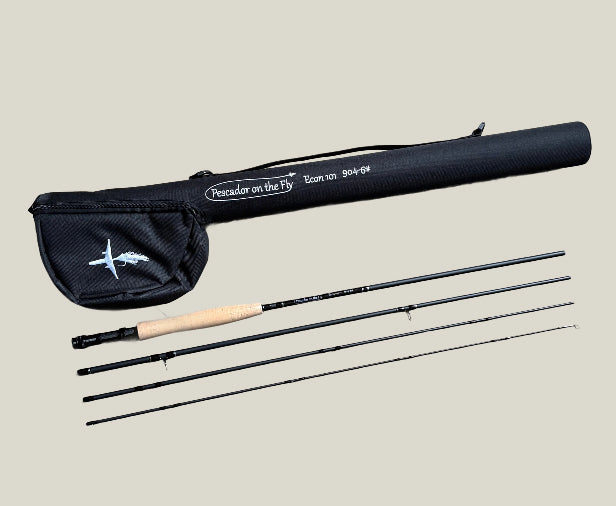
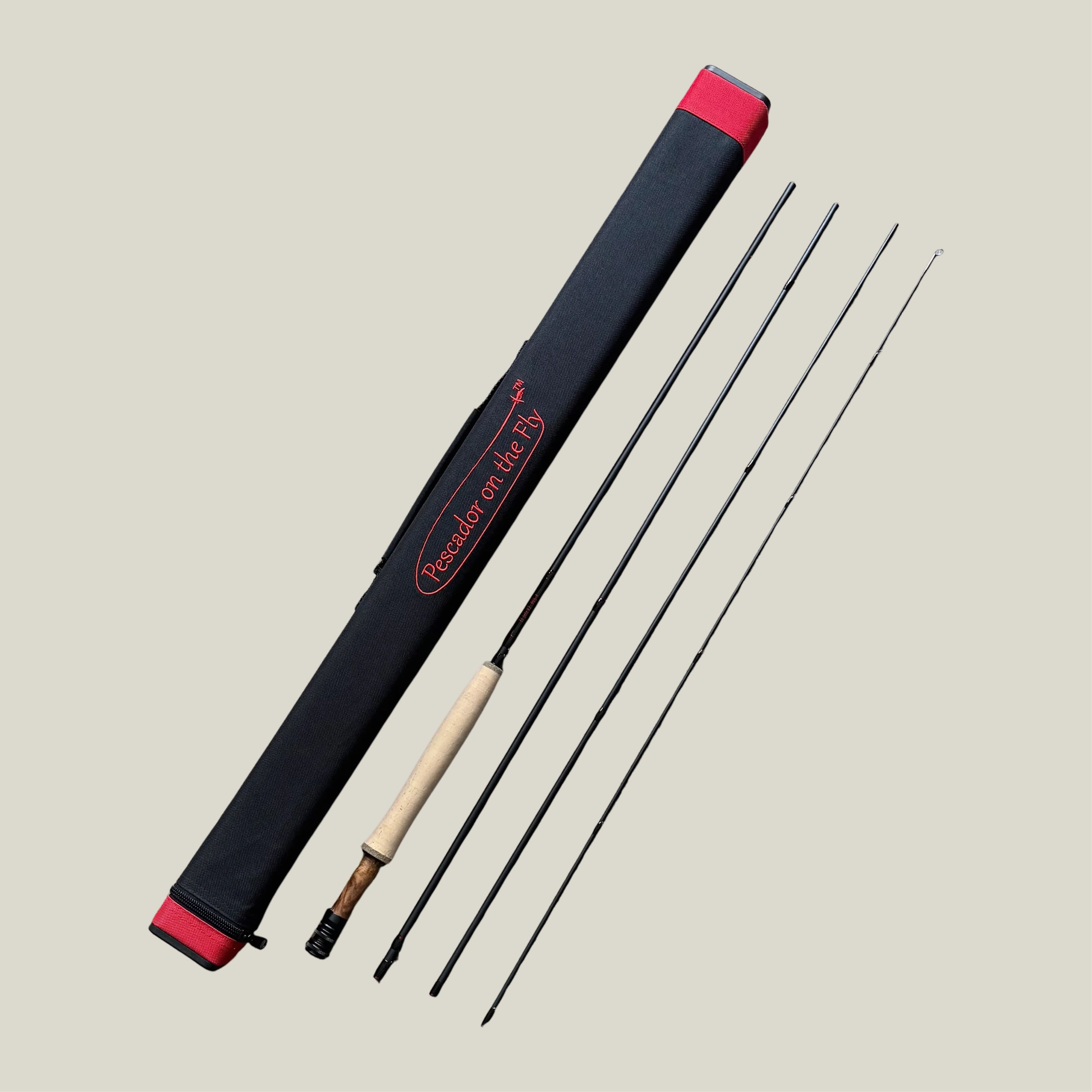
A 9-foot 5-weight is the workhorse rod for the Bighorn, handling nymph rigs, dry fly work, and light streamer duty. A 6-weight handles streamers and wind better during fall fishing. In winter and during technical midge hatches, a 4-weight offers more finesse for small flies and light tippets.
For nymphing, a weight-forward floating line with a long leader—9 to 12 feet—works well. For dry fly fishing during hatches, a standard weight-forward floating line paired with a 9-foot leader tapered to 5X or 6X is effective. For streamer fishing, especially in fall and winter, a sink-tip line or full-sinking line helps get flies down to holding fish.
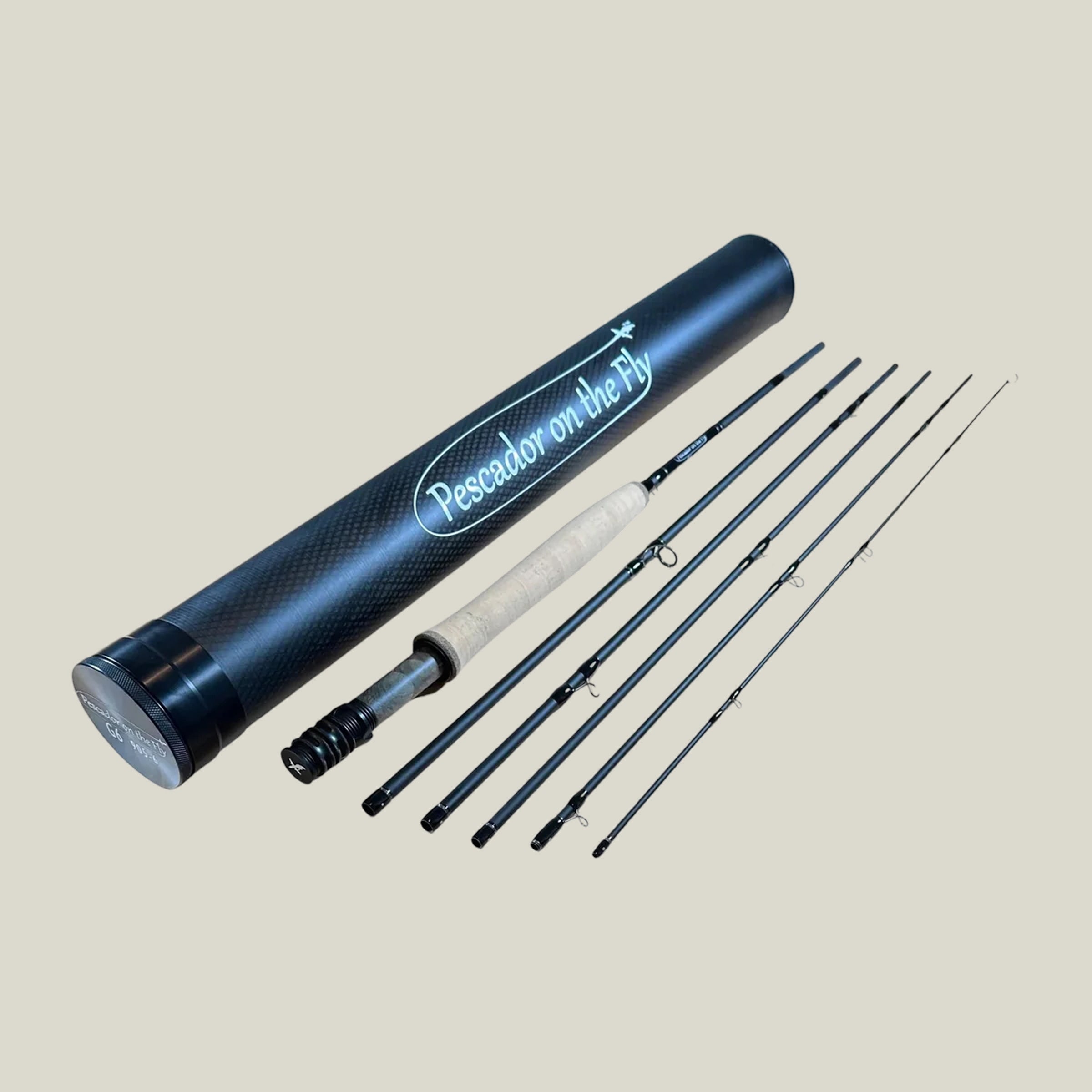
If you're flying in, El Rey G6 six-section travel rods pack into carry-on luggage and fish like full-length rods once assembled.
Waders are necessary year-round. The fine gravel substrate is easy to wade, but the river is wide and thigh-deep wading is common. Felt or rubber-soled wading boots work well. A wading staff helps in higher flows. Polarized sunglasses are essential for spotting fish in the clear water.
The closest airport is Billings International Airport, about an hour and a half drive from Fort Smith.
Conservation & Regulations
A standard Montana fishing license is all you need to fish the river itself, and no separate tribal permit is required for fishing within the river's ordinary high-water marks. Beginning March 1, 2026, Montana Fish, Wildlife & Parks no longer allows fly shops to sell fishing licenses. You must purchase your fishing license online before you arrive in Fort Smith; cellular networks may not be reliable.
The Bighorn River drainage falls under the Central District fishing regulations. FWP and the Wyoming Game and Fish Department cooperatively develop the regulations for Bighorn Reservoir, keeping the regulations similar in both states for the same water body.
Practice catch-and-release whenever possible to maintain the fishery's exceptional quality. Use barbless hooks to minimize handling stress. Keep fish in the water during unhooking and photography. The Bighorn's trout population is a shared resource—treat it with care.
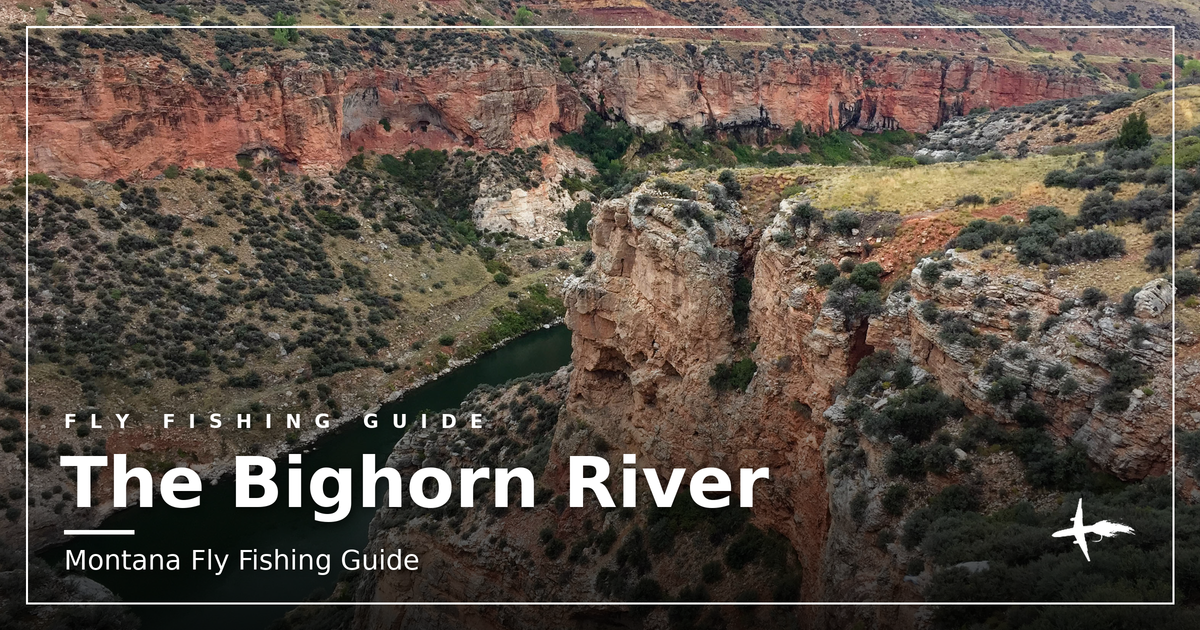
Hero photo: Victoria Stauffenberg, public domain, via Wikimedia Commons.


.jpg)
.jpg)
.jpg)

Leave a comment
All comments are moderated before being published.
This site is protected by hCaptcha and the hCaptcha Privacy Policy and Terms of Service apply.