



At a Glance
The Frying Pan River is a Gold Medal tailwater flowing 14 miles from Ruedi Reservoir to the Roaring Fork River near Basalt, Colorado. The upper 1.5 miles below the dam—known as the Holy Water—fish like a classic tailwater with crystal-clear water, consistent flows, and catch-and-release regulations. Below that, the character shifts toward freestone water, especially past mile marker 7, where browns and rainbows spread out into riffles and runs ideal for dry-fly work.

Certain sections hold over 5,000 trout per mile. Because Ruedi Dam controls the flow, the Pan stays fishable year-round with no runoff disruption. That consistency also makes it technical: crystal-clear water means trout see everything—your approach, your line, your fly. Frying Pan River Fly Fishing rewards patience, light tippets, and precise presentations.
The Trout
Recent Colorado Parks and Wildlife surveys show that 97% of the fish are brown trout, 2% are rainbow trout, and 1% are sculpin. Browns are extremely plentiful throughout the river, and while the average size has dipped to around 11 inches, specimens regularly exceed 20 inches. Rainbows are fewer but still healthy, with the Toilet Bowl—a deep, circular pool at the base of the dam—home to monster rainbows that feed on Mysis shrimp all day. Cutthroats and brookies are present but incidental.
The fish populations are naturally reproducing. Ruedi Reservoir is home to a thriving population of Mysis shrimp, tiny translucent crustaceans that flush through the dam's outflows year-round and provide high-protein forage that helps rainbows attain huge sizes.
Best Seasons
Every season on the Pan can be productive. Peak fishing runs June through September when flows typically hold between 100 and 200 CFS and the river comes alive with mayflies, caddis, stoneflies, and terrestrials. Winter is an excellent time to escape crowds and fish to large trout on midges and Baetis, with the best window from 11 a.m. to 3 p.m. Spring and fall offer reliable Blue Winged Olive hatches and less pressure than summer weekends, when parking fills early and the upper stretches see heavy crowds.
The Pan fishes well when flows increase to around 200 CFS—the added flow spreads fish out and provides more protection from wading angles and predatory birds. Water stays cold enough year-round that it won't exceed 65 degrees, even in summer.
Hatch Calendar
December through April
Midge fishing dominates the colder months. The Pan's consistent tailwater temperatures keep trout feeding year-round, making it an exceptional winter fishery. Winter flows run around 60 to 85 CFS. The Frying Pan is known for producing extraordinarily large midges relative to most tailwaters—sizes 18 to 22 are common. During a full midge cluster hatch, the surface can appear almost alive with activity.
Blue Winged Olives begin making their first reliable appearances in early March. When conditions align—overcast skies, slightly warmer afternoon temperatures, and a light breeze pushing emerging duns along the surface—the BWO hatch is as good as anywhere. On warm spells, BWOs can hatch as early as February and continue through November.
Expect classic low-and-slow winter nymphing with small windows of surface activity from midday midge clusters. Trout slide deeper into slow mid-channel troughs, feeding selectively on tiny midges and the occasional Baetis emerger.
May
As runoff affects other Colorado rivers, the Frying Pan remains fishable thanks to its tailwater nature. Blue Winged Olives continue through May. Caddis hatch starting early in the month and continue through October. Mayfly activity picks up, and the transition from winter to summer fishing begins.
June
By summer the river comes alive. Pale Morning Duns appear around mid-June and continue into late August, with peak activity in sizes 16 to 18. Caddis are active throughout the month in sizes 10 to 18. The Green Drake hatch begins around July 1, but early emergences can happen in late June.
July
July brings the heart of the summer season. Green Drakes in sizes 10 to 12 hatch from July 1 through September 30 and can make the fish go absolutely crazy. Golden Stoneflies in sizes 8 to 10 are active from July 1 through August 31. Pale Morning Duns continue, and terrestrial patterns—hoppers, ants, and beetles—become productive around mid-July and remain effective through late September. Nothing beats spending a summer day sight-fishing a size 10 or 12 dry fly to rising fish.
August
August is buggy. Tricos in sizes 20 to 24 appear around mid-August and continue through October 31. Blue Winged Olives return around mid-August and remain strong through October 31. Pale Morning Duns taper off by late August. Caddis, hoppers, and Green Drakes all continue. This cold, clear water abounds with hatches.
September
Fall arrives. Green Drakes, hoppers, and caddis all remain active through the month. Blue Winged Olives and Tricos continue strong. The streamer game becomes productive for spawning brown trout, though anglers catch just as many rainbows on small bunny fur streamers as browns. There are still plenty of mayflies around, particularly Baetis and Red Quills.
October and November
Tricos continue through October. Blue Winged Olives remain reliable through November. Caddis taper off by mid-October. Midges regain importance as temperatures drop and other hatches fade. Fall is a great time to swing streamers and fish to less-pressured trout as crowds thin.
Flies and Tactics
Winter and Early Spring: Midges and Baetis
Tiny midge patterns in sizes 18 to 26 and precise nymphing techniques produce steady action. Black and Red Zebra Midges in sizes 20 to 24 work year-round. The Black Beauty Midge, Candy Cane Midge, and Bling Midge in the same sizes are all effective. For dries, the Mole Midge in sizes 20 to 24, Roy Palm's Special Frying Pan Emerger in sizes 20 to 22, and Parachute Adams in sizes 20 to 22 cover most situations.
Blue Winged Olives in sizes 16 to 22 start in March and continue through May, then return in August through November. Extended Body BWO and Purple Haze in sizes 20 to 22 work well on top. For nymphs, Barr's Emerger and Barr's Black Back Emerger in sizes 20 to 22, plus the Juju Baetis in sizes 18 to 22, are essential. Euro-nymphing and indicator fishing both produce.
Summer: Mayflies, Caddis, and Drakes
Pale Morning Duns in sizes 16 to 18 hatch from mid-June through late August. Pink Lady Improved Sparkledun, Hackle Stacker PMD, Comparadun PMD, and Mole Fly PMD all work in sizes 16 to 18. Barr's Emerger PMD in sizes 18 to 20 fishes well below the surface.
Green Drakes in sizes 10 to 12 bring the most exciting fishing from July through September. Match them with Green Drake dries in sizes 10 to 14 and Green Drake Emergers in sizes 10 to 12.
Caddis in sizes 10 to 18 are active from late May through mid-October. A Black Elk Hair Caddis in size 18 covers most situations, though carrying a range from 12 to 18 is wise.
Golden Stoneflies in sizes 8 to 10 and Winter Stoneflies in sizes 16 to 18 add variety during summer months.
Terrestrials
Hoppers in sizes 6 to 12 fish well from mid-July through late September. Ants and beetles are always a good bet in summer as well.
Year-Round: Mysis Shrimp
Mysis shrimp patterns in sizes 16 to 20 work all year, especially in the upper river near the dam. Tim's Mysis in sizes 16 to 18, Will's Epoxy Mysis in sizes 18 to 20, and Craven's Mysis in sizes 16 to 18 all produce. These patterns are critical in the Toilet Bowl and other deep pools where shrimp concentrate.
Streamers and Jigs
Streamer fishing becomes productive in fall for spawning browns, though rainbows hit them just as readily. Sculpin patterns in sizes 6 to 8 in olive or black are useful during periods of increased flow or lower light conditions. Tungsten Double Mint in size 8, Beldar Lemon Drop in size 8, White Zuddler in size 8, and Hansen's Meal Ticket in size 4 all work. Fire Starter jigs in sizes 12 to 14 and other jig patterns are effective. Eggs and leeches round out the subsurface arsenal.
Typical Rigs
Barr's Emerger in sizes 18 to 20 trailed by a Zebra Midge in sizes 20 to 22 is productive in deeper runs and riffles. Having a rod sensitive enough to detect subtle takes while protecting light tippets is crucial when fishing size 20 to 24 patterns. Crystal-clear water requires stealth, long leaders, and light tippets—generally 5X to 7X.
Where and How to Fish It
The 14-mile Gold Medal stretch runs from the dam to the town of Basalt and includes 8 to 9 miles of public access through land owned by the state or part of the White River National Forest. More than half the river is open to all anglers, though figuring out access isn't always easy. Some water is marked by Colorado Parks and Wildlife signs, other sections are posted as no trespassing. You can fish in the town of Basalt, at Strawberry Rock (2.6 miles upstream to the CPW sign), and 2.1 miles downstream from Ruedi Dam.

The most popular fishing spots include Baetis Bridge, Bend Pool, Mean Joe Green, the Flats, and the Toilet Bowl. The upper Frying Pan from mile marker 8 upstream to Ruedi Reservoir offers classic tailwater conditions with consistent flows and temperatures, known for Mysis shrimp drifting from the reservoir and attracting larger trout. Bend Pool, a deep bend near mile marker 6, is known for holding large trout, especially during Mysis shrimp releases. Baetis Bridge, around mile marker 5, sees prolific Blue Winged Olive hatches. The middle and lower sections typically receive less pressure than the famous upper pools and often provide better fishing with fewer crowds.
All water is wadeable and loaded with fish. Expect slippery rocks but easily accessible water. Guides run the Frying Pan on full-day wade trips only. During fair-weather weekends, the upper stretches get crowded. Parking fills early during summer weekends, making dawn starts essential for securing spots at prime locations.
Gear for the Trip
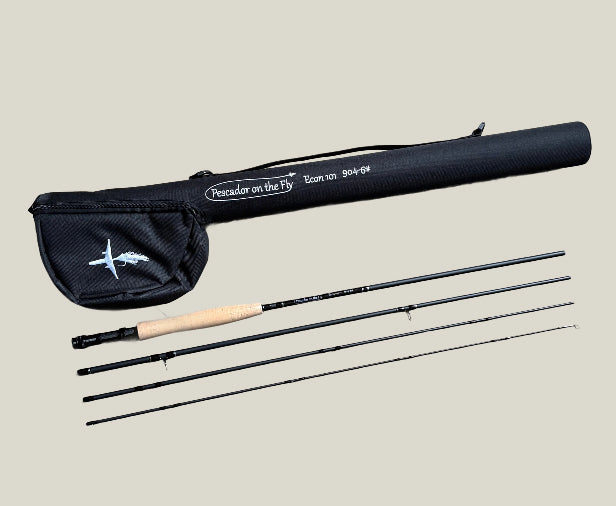
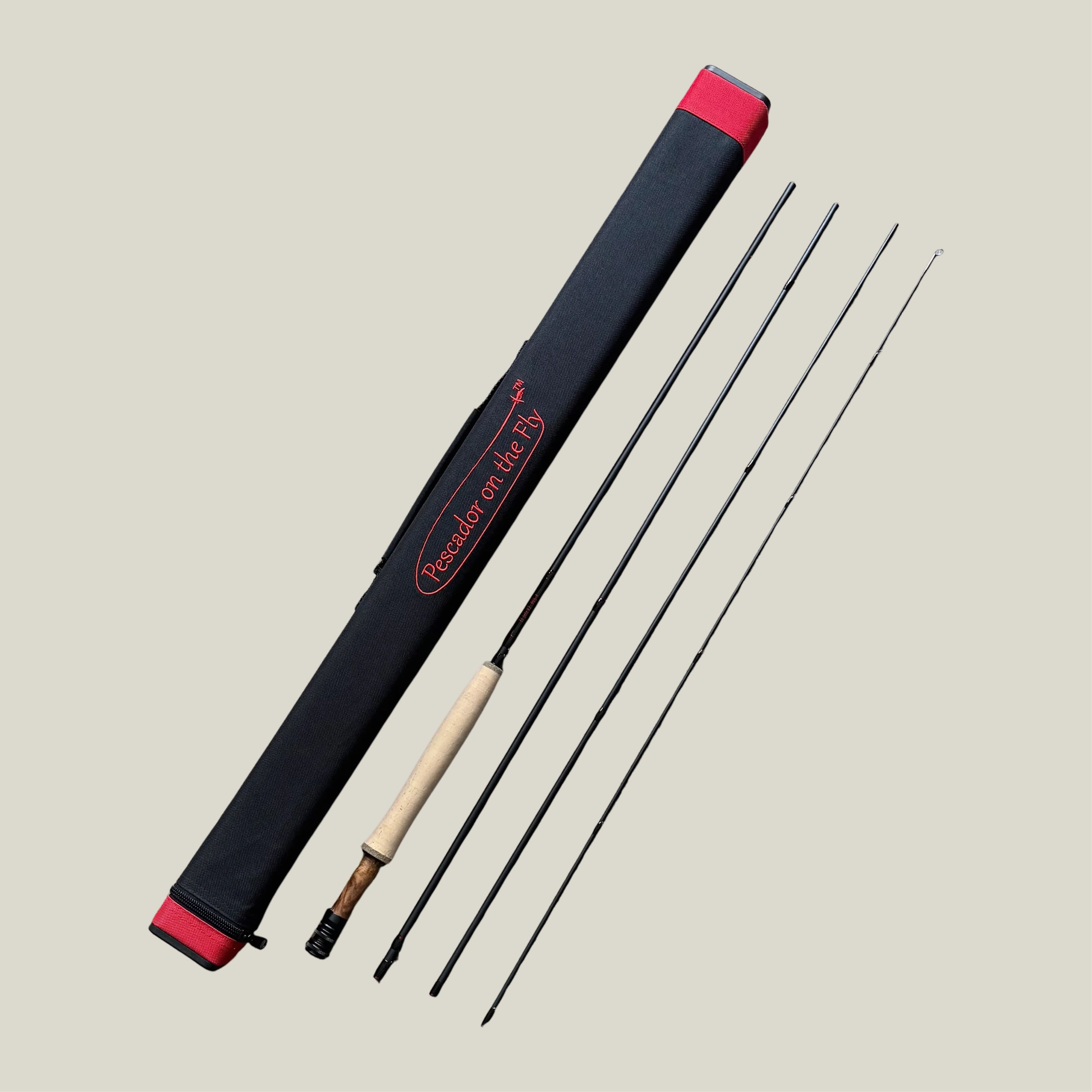
Most anglers gravitate toward 4-weight to 6-weight rods in 9- to 10-foot lengths. A 5-weight is a solid all-around choice for the Pan. Match your weight class to the water you're fishing: lighter rods for midges and small mayflies in the upper river, slightly heavier for streamers or wind in the lower stretches. Long leaders—9 to 12 feet—and light tippets in 5X to 7X are standard for the crystal-clear water.
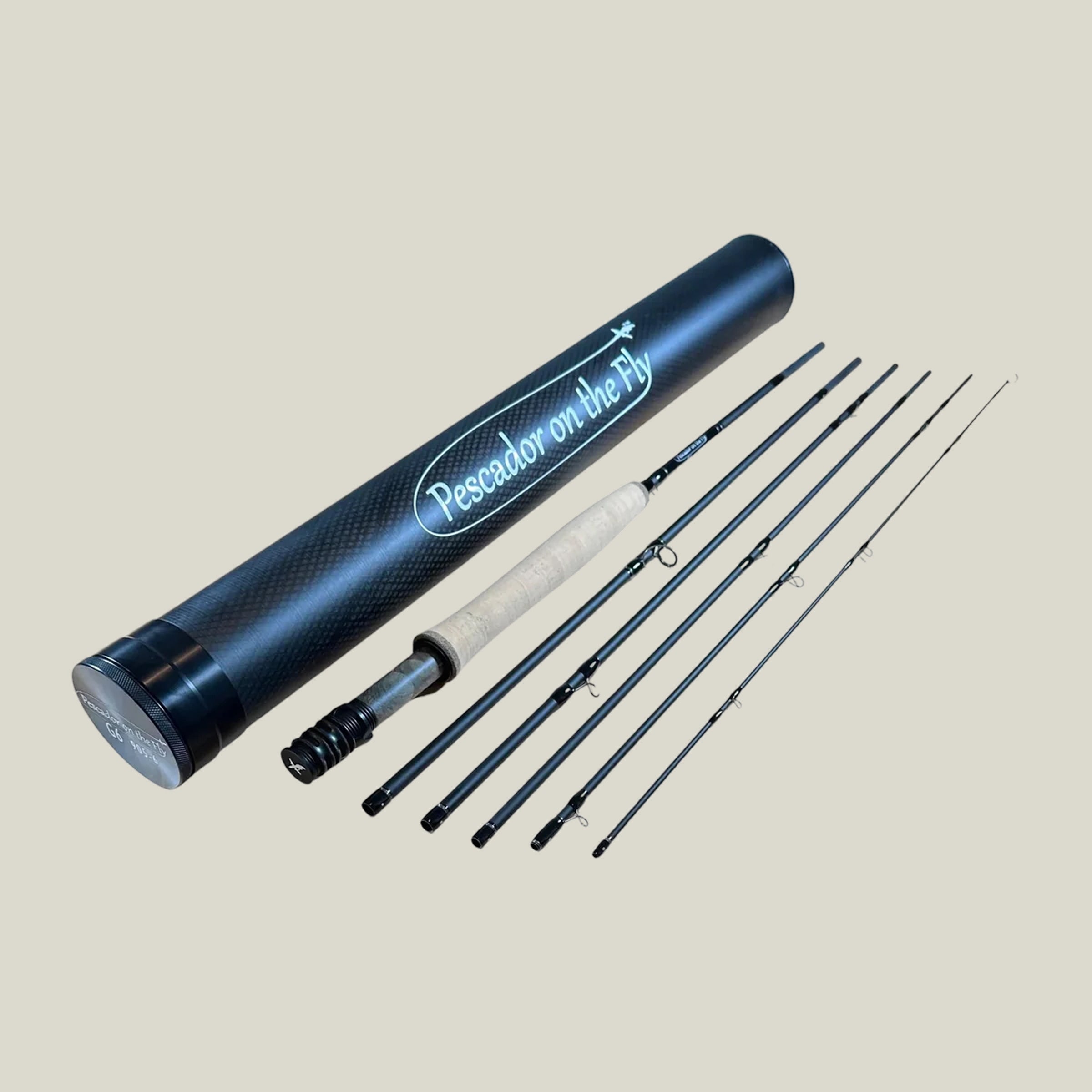
If you're flying into Colorado, the El Rey G6 six-section travel rods pack easily and fish true to weight, which matters when you're protecting 6X tippet on a 20-inch brown. A sensitive tip helps detect subtle takes on tiny nymphs, and a strong mid-section protects light leaders during the fight.
Bring waders year-round—water temperatures stay cold even in summer. Felt-soled boots or studded rubber help on slippery rocks. Pack layers regardless of season; the high elevation means cold mornings, brief warm-ups, and the classic Frying Pan canyon chill returning quickly when the sun drops behind the rim. Polarized sunglasses are essential for sight fishing in clear water. A net, forceps, nippers, floatant, split shot, and strike indicators round out the essentials.
Conservation and Regulations
You need a Colorado fishing license, available as a one-day, five-day, or annual license for residents or non-residents. All anglers ages 16 to 63 are required to purchase a license, which can be bought online. Colorado allows year-round trout fishing.
The 14-mile Gold Medal stretch from Ruedi Reservoir to Basalt operates under strict catch-and-release regulations for trout in the upper section. Current rules on the Frying Pan state that anglers are allowed to harvest two brown trout under 14 inches per day and must release all other trout, though Colorado Parks and Wildlife officials have proposed increasing the harvest limit from two to four fish. Only barbless hooks or hooks with barbs pinched down are permitted throughout the Gold Medal section. Check current regulations before you fish, as rules are subject to change.
To achieve Gold Medal status, waters must produce 60 pounds of trout per acre and at least twelve 14-inch or larger trout per acre. The Frying Pan exceeds the biomass requirement at 672 pounds of fish per acre. The naturally reproducing trout populations and consistent habitat make this fishery world-class, and respecting regulations ensures it stays that way.
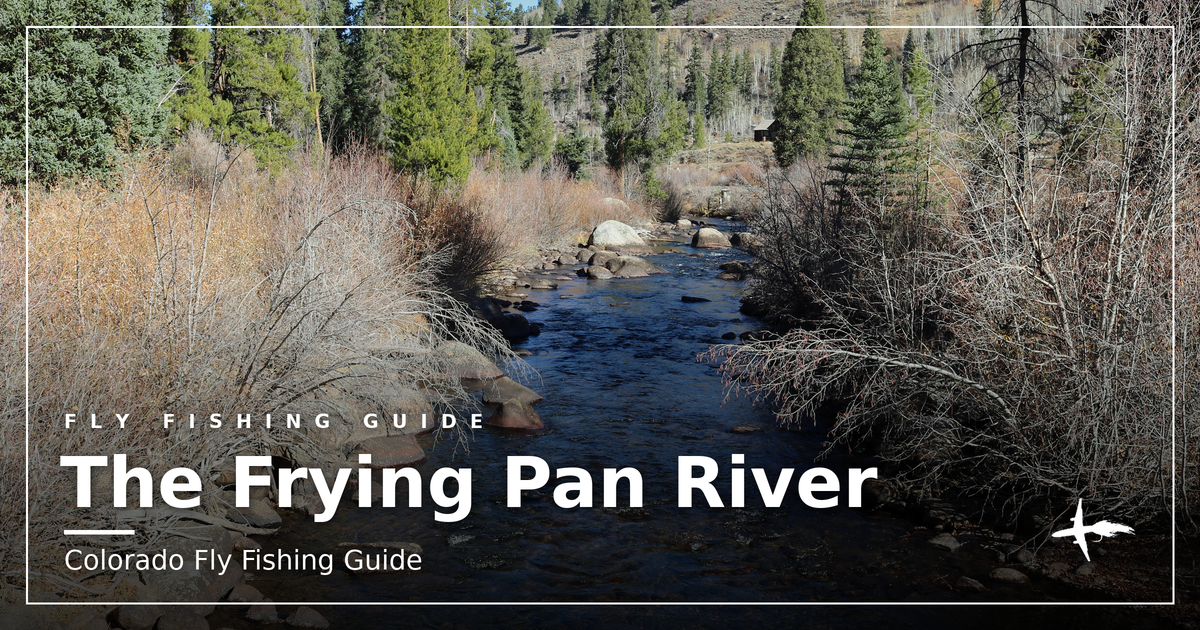
Hero photo: Jeffrey Beall, CC BY 4.0, via Wikimedia Commons.


Leave a comment
All comments are moderated before being published.
This site is protected by hCaptcha and the hCaptcha Privacy Policy and Terms of Service apply.