



At a Glance
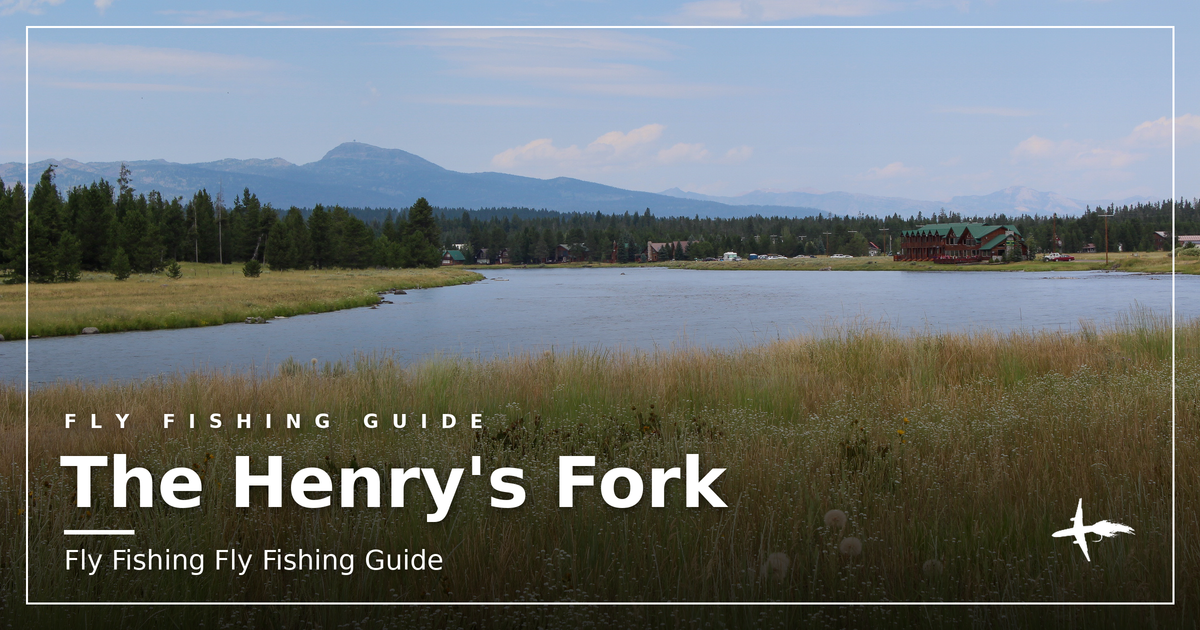
The Henry's Fork of the Snake River is one of the most storied dry-fly rivers in the world. This 127-mile trout fishery originates at Big Springs in Island Park, Idaho, and flows through some of the most varied water you'll fish anywhere in the West. Within a single day you can fish boulder-pocketed pocket water that rewards short casts, spring-creek flatwater that demands long leaders and perfect drifts, classic riffle-and-run dry-fly water, and stillwater connected to a lake.
Big Springs produces 120 million gallons of water each day. Because nearly the entire river is sourced from natural groundwater springs, the Henry's Fork experiences minimal runoff by local standards and almost always has fishable sections in the early season.
The Henry's Fork is unusual because it's several rivers strung together. Box Canyon is a narrow, pine-lined canyon littered with rocks where the river thunders through steep basalt with powerful rapids, deep pools, and heavy pocket water. The crown jewel is the Railroad Ranch section within Harriman State Park—roughly three miles of wide, glassy, spring-creek-like water flowing through an expansive mountain meadow at 6,100 feet elevation. From Ashton Dam to St. Anthony the river consists mostly of long riffles and runs. The Ashton-to-Chester section offers excellent fall fishing for brown trout that migrate upstream from the South Fork Snake River.
The Railroad Ranch—particularly the Harriman / Railroad Ranch water—is famous for refusing average presentations. This is technical water in a way most American trout fishing is not.
The Trout
The Henry's Fork holds large wild rainbows and elusive brown trout. Anglers also find brook trout, cutthroat trout, and cutbow hybrids. Rainbow trout in the upper 20-inch class are plentiful, with an abundance of hatches fueling their size. Idaho Fish & Game lists trout density on Box Canyon at roughly 3,000 fish per mile. Rainbow trout on the Ranch average 14-18 inches, with many exceeding 20 inches.
Brown trout thrive in the river system below Mesa Falls, down until it drains into the main Snake River. Fall brings particularly active brown trout, especially in the lower sections.
Best Seasons
There is great fishing from March through November. Some of the best fishing of the year occurs in April—the fish are active and hungry, the hatches are great, and fewer anglers are on the water.
The most popular time to fish Henry's Fork of the Snake River fly fishing is in May and June, when the river has its best hatches including the salmonflies, green drakes, and PMDs. The other rivers in the area may be affected by winter runoff, so the Henry's Fork can get crowded during this period.
September through November is outstanding and less crowded than summer. Fall BWO fishing on the Ranch can rival summer PMD days with fewer anglers. Cooler water returns, smaller hatches produce selective but aggressive fish preparing for winter, and it's a locals' favorite season.
Water temperatures below Stone Bridge can climb into the 70s on hot afternoons in mid-August. Most sections are closed November through Memorial Day, though some lower water remains open under specific rules.
Hatch Calendar
March–April
Dry fly fishing ramps up later in March with great hatches of midges and Blue Winged Olive mayflies on almost all of the water. Some of the best fishing of the year occurs in April; the fish are active and hungry, and the hatches are great, with fewer anglers on the water.
May
Blue Winged Olive and March Brown hatches continue through the month of May. The first caddisfly hatch and the most prolific of the entire season is the Mother's Day Caddis. The largest aquatic insect in the Henry's Fork is a stonefly, commonly called the Salmonfly. March Browns hatch mostly in faster current areas between mid-May and mid-June.
June
No month can match the consolidation of stonefly, mayfly, and caddis types that occurs in June. From Warm River downstream, PMDs have already begun to appear and are quickly followed by Flavs, with Green and Gray Drakes arriving close behind. By June 15, when the Ranch water opens, PMDs are always expected and it is wise to be prepared for an appearance of Flavs and Green Drakes as well, with Gray and Brown Drakes generally following about a week later.
The Salmonfly hatch (mid-June) and Green Drake hatch (late June–early July) are marquee events. In about the third week of June, the famous green drake hatch begins on the Harriman park waters, followed closely by the brown drakes. The Green Drake hatch generally has started when the Ranch opens, and usually lasts for 10 days to two weeks.
July–August
Mid-June, Pale Morning Dun (PMD) hatches enter the fray and are abundant through mid-August; this is probably one of the best mayfly hatches on the Henry's Fork of the Snake River. Little Green Drakes—called Flavs—begin hatching just after Green Drakes and are around through the middle of July. The green drake hatch will be winding down, but the evening brown drake hatch will continue bringing big fish to the surface of the Henry's Fork; smaller mayflies such as the pale morning dun, and a smaller version of the green drake in the afternoons also sustain excellent dry fly activity in the Harriman Park section for most of July.
From July through September, hatches to look for are Tricos, Speckle-wing Quills (Callibaetis) and most important Spotted Sedge caddisfly; Spotted Sedges hatch from June through September and are plentiful. August is ant, beetle, and hopper season on the flatwater sections of the Henry's Fork.
September–October
The Blue-winged Olive (BWO) hatch occurs for a brief time in early spring and then returns in force in September and October. September through November is outstanding and less crowded than summer; BWO hatches in sizes 18-20 on overcast fall afternoons produce excellent dry-fly fishing on the Ranch and below. Mahogany Duns in sizes 16-18 hatch in August and September.
Flies & Tactics
Spring (March–May)
Blue Winged Olive and Thorax patterns in sizes 18-20, Quill Gordons in sizes 12-14. Midge clusters in sizes 16 and 18, and single midge patterns in sizes 18 and 20. Mother's Day Caddis in sizes 14-16, including Hemingway Caddis and Peacock Caddis. Giant Stonefly patterns in sizes 4-6 from May 15–June 15. March Brown patterns in sizes 12-14.
Summer (June–August)
Green Drake patterns are essential: emergers, cripples, spinners, and duns in sizes 10–12. Western Green Drakes in sizes 10-14 from June 1–July 15. Brown Drake in sizes 10-14 from May 15–June 15. PMDs (pale morning duns) in sizes 14-18 are the backbone. Flavs in sizes 12-14. Spotted Sedge caddis in sizes 14-16.
Terrestrials become important from July through first frost: Hoppers in sizes 6-10, beetles in sizes 12-16, and ants in sizes 14-16.
Fall (September–November)
Blue Wing Olive No-Hackle and Thorax in sizes 18-20. Mahogany Duns in sizes 16-18. Emerger patterns like the RS2, Barr's Emerger, and Sparkle Dun are excellent choices for imitating emerger stages.
Nymphing and Subsurface
Pat's Rubber Legs, Zebra Midges, stonefly nymphs, and Copper Johns fished deep through pocket water produce consistently. Running a Pat's Rubberlegs trailed 18 inches off the back with a size 14 Pheasant Tail or chartreuse Glo Bug have been producing good numbers of fish. Nymphing with rubberlegs paired with tailwater patterns like Split Case PMD in sizes 18-20, Juju Baetis in size 22.
Presentation
Long leaders (12-15 feet), fine tippet (5X-7X), and downstream presentations. A 9–12 foot leader with 4x and 5x tippet is standard. On the Ranch, use stealthy approach with long leaders (12-15 ft), sparse CDC patterns, and 6X-7X tippet.
Where & How to Fish It
The river is suitable for wade fishing, bank fishing, and fishing from a boat, depending on the section.
The Railroad Ranch section is wade only. Boats are prohibited within Harriman State Park itself, so floats begin below the lower park boundary. Wading is good in most places, although floating is best in some areas, notably in the Box Canyon stretch.
Box Canyon is a powerful canyon float through heavy whitewater; expert oarsmen only as drift boats can be swamped in the rapids, with rafts being the preferred craft. A walking trail along river left gives wade anglers access to the entire Box Canyon section without a boat.
Multiple access points and boat ramps along Henry's Fork make it easier for anglers to find ideal fishing locations; popular entry spots include the Island Park area. Public access points exist near the mouth of Warm River, and west of Ashton. Facility and parking fees are $5.00, to be paid at site or online at www.recreation.gov, with fees collected May-October.
Flows on the Henry's Fork vary significantly by section because Island Park Dam and Ashton Dam regulate releases, and irrigation demand drives summer drawdowns, especially on the lower river. The Ranch section's flow is essentially unregulated between the dam and the meadow, influenced by springs and tributaries, and fishes best at moderate, stable flows.
Gear for the Trip
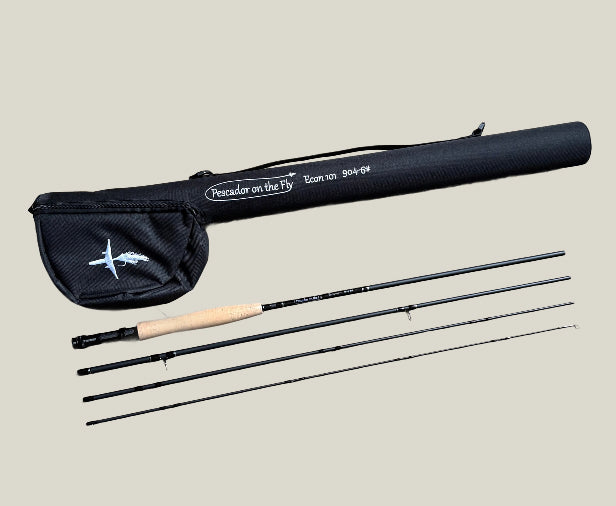
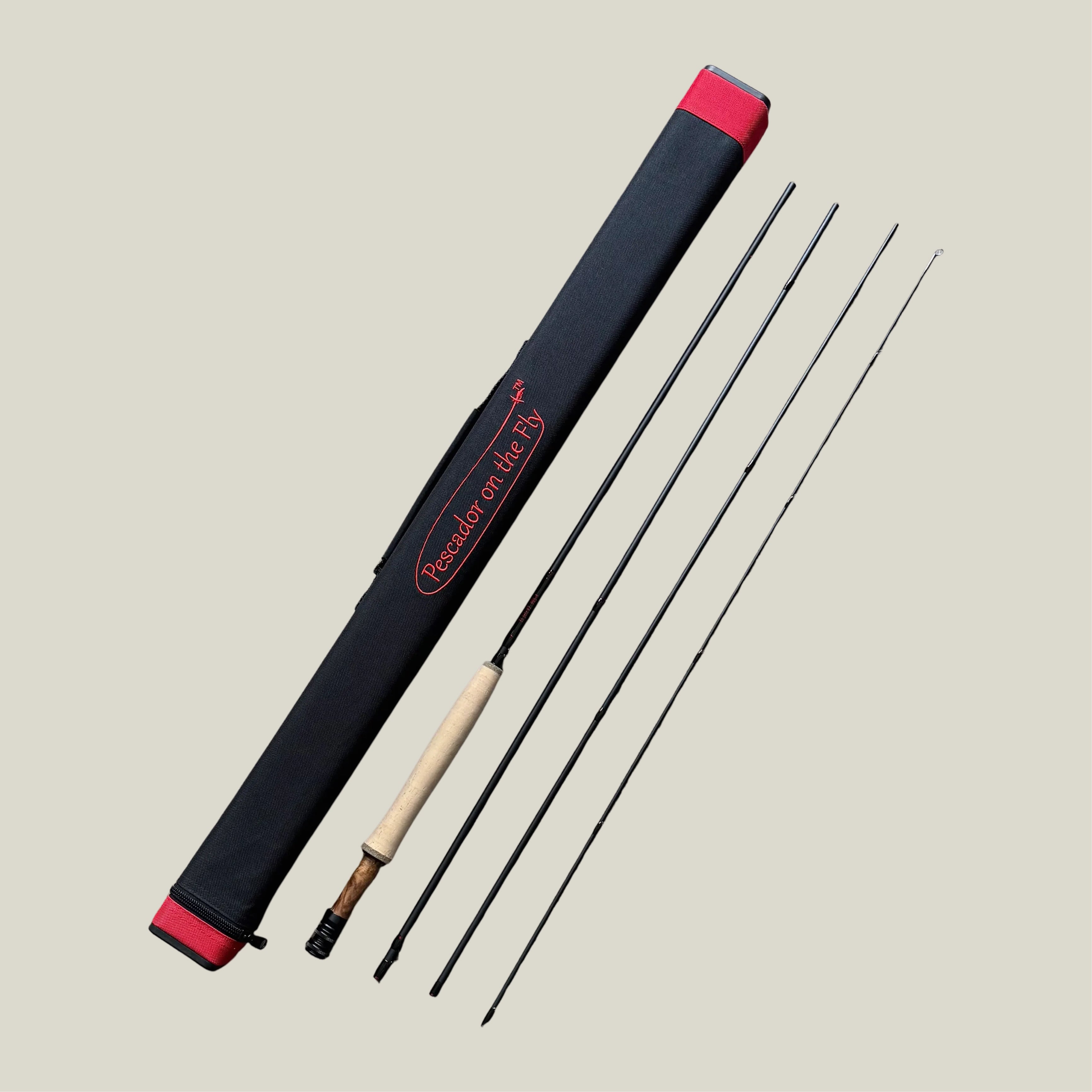
For the Railroad Ranch and lower riffles, a 9-foot 5-weight handles PMDs and BWOs with the delicacy the water demands. Box Canyon pocket water and early-season stonefly fishing call for a 9-foot 6-weight that can punch heavier flies into the wind and turn over Salmonfly and Green Drake patterns on a windy June afternoon.
Pack both outfits if you're covering multiple sections in a day. Weight-forward floating lines matched to your rod handle the majority of dry-fly and nymphing situations. Long leaders—12 to 15 feet—and 4X to 7X tippet are essential, especially on the Ranch.
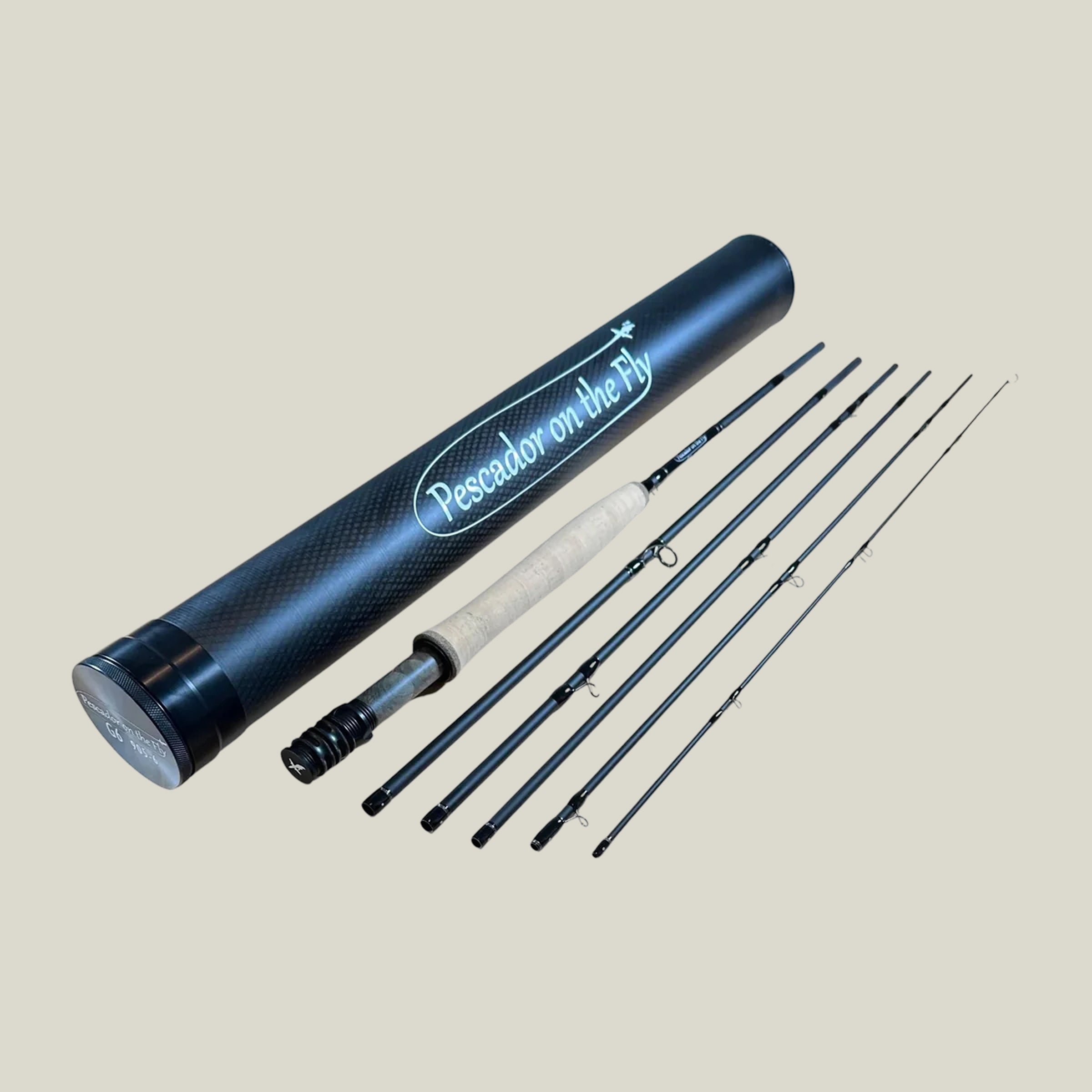
If you're traveling to fish the Henry's Fork, El Rey G6 six-section travel rods make it easy to pack both a 5-weight and 6-weight without sacrificing performance.
Chest waders are necessary most of the season; the water stays cold even through summer. Wading boots with good traction handle the rocky bottom in Box Canyon and the silty meadow floor on the Ranch. Polarized sunglasses are essential for spotting rising fish and reading the water. Pack plenty of floatant, split shot, and strike indicators if you're nymphing. A net with a rubber bag protects fish during catch-and-release.
Conservation & Regulations
You must have a valid Idaho fishing license to fish in the Henry's Fork.
Railroad Ranch (Harriman State Park): June 15 through November 30 – trout – catch-and-release, fly fishing only, barbless hooks required; December 1 through June 14 - closed to fishing.
McCrea Bridge upstream to Henrys Lake Outlet: December 1 through Friday before Memorial Day weekend – trout – catch-and-release (except Brook Trout); Saturday of Memorial Day weekend through November 30 – trout limit is 2, no harvest of Cutthroat Trout.
Henrys Lake Outlet upstream to Big Springs: Closed to fishing.
15 horsepower maximum on the Henry's Fork from the confluence with the Big Springs Outlet to Mack's Inn Bridge (US Hwy 20), and 15 horsepower maximum on the Henry's Fork from the Vernon Bridge downstream.
The crowds are highest in peak season. Fall brings cooler water, and most sections are closed November through Memorial Day, though some lower water remains open under specific rules.
Hero photo: Z3lvs, public domain, via Wikimedia Commons.


Leave a comment
All comments are moderated before being published.
This site is protected by hCaptcha and the hCaptcha Privacy Policy and Terms of Service apply.