




Fly fishing in Missoula, Montana isn't really about one river — it's about five of them, all within about an hour of the same brewery-and-fly-shop town. Norman Maclean grew up here, and the river of A River Runs Through It is the Blackfoot, just up the road; when the 1992 film hit, it kicked off a fly-fishing boom that never really ended, and Missoula has been the beating heart of it ever since. Cold, trouty water runs in every direction out of this valley, and the hardest part of a trip here is deciding which way to point the truck.
Why Missoula is a fly-fishing hub
Most destinations give you one good river. Missoula gives you a whole hand of them, each with its own character — freestones and a blue-ribbon tailwater, brown-trout meadows and cutthroat pocket water — so there's almost always somewhere fishing well no matter the season or the runoff. The five that matter: the Clark Fork runs right through downtown, the Bitterroot comes up from the south, the Blackfoot drops in from the east, Rock Creek tumbles down its own canyon just off the interstate, and the famous Missouri tailwater sits a bit farther out near Craig. Here's the quick tour, with a link to the deep-dive guide for each.
The rivers — and where to go deep
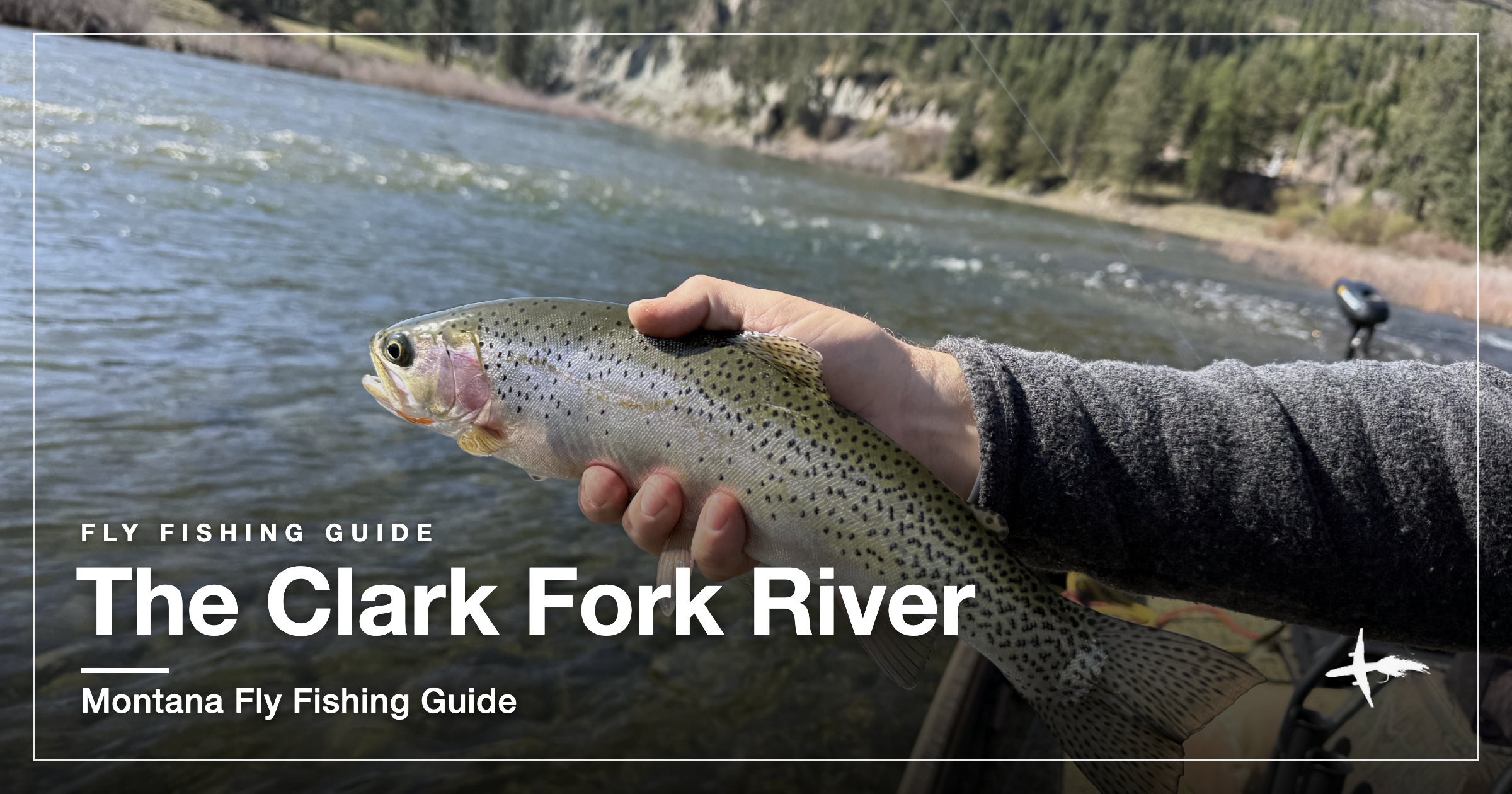
The Clark Fork — Montana's largest river by volume, and it splits in two at Missoula: an intimate, willow-lined brown-trout stream above town, and a broad, glassy rainbow river below it. It's typically the last water in the area to clear after runoff, but when it's on, the fall dry-fly pods are something else. → Read the Clark Fork guide.
The Bitterroot — the valley river south of town, famous for early-season dry-fly fishing: it's often the first to give up rising fish in spring on skwala stoneflies and March browns, sometimes as early as February and March. A great shoulder-season choice when you want dries and elbow room. → Read the Bitterroot guide.
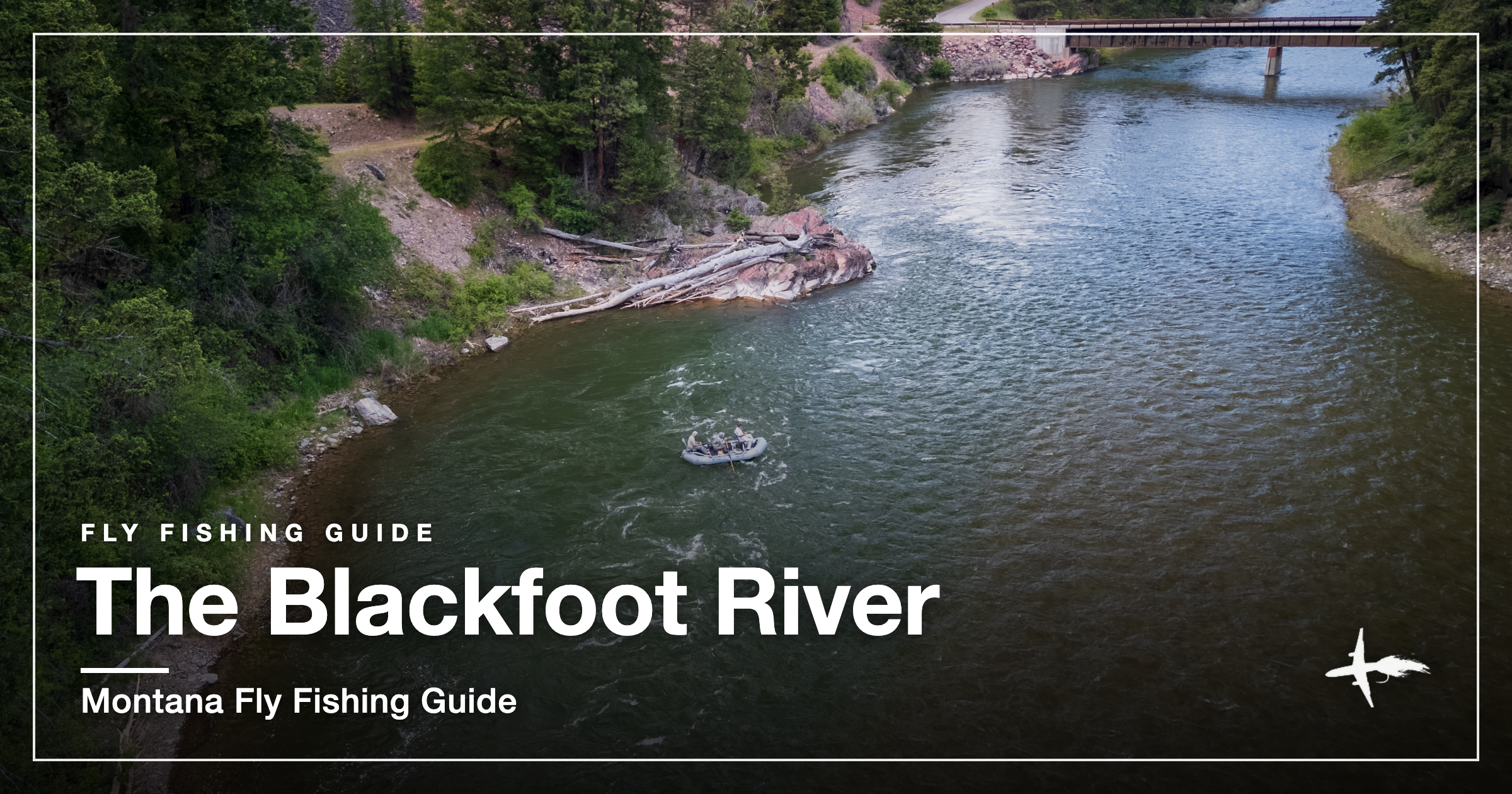
The Blackfoot — the A River Runs Through It river, a classic freestone where a westslope cutthroat, rainbow, and brown "grand slam" is a real day's goal. → Read the Blackfoot guide.
Rock Creek — a blue-ribbon freestone tributary that punches way above its size, holding roughly 2,200 wild trout per mile and what many call the best salmonfly hatch in Montana. Come in June for the big bugs. → Read the Rock Creek guide.
The Missouri near Craig — a bit farther out, but worth the drive: a blue-ribbon tailwater below Holter Dam, loaded with wild rainbows and browns and fishable nearly year-round thanks to those cold, stable flows. The best technical dry-fly water in the region. → Read the Missouri River guide.
When to fish the Missoula area
Fly fishing in Missoula, Montana follows a pretty reliable rhythm. Spring (March–May) is dry-fly season on the Bitterroot and lower Clark Fork, with skwala stoneflies and BWOs bringing the first risers of the year. Runoff usually muddies things from May into June — but the rivers don't all blow out at once: Rock Creek's steep gradient clears it fast, the Missouri tailwater stays fishable throughout, and the Clark Fork is the last to come around. June is salmonfly time, chase the hatch up Rock Creek. Summer settles into PMDs, caddis, tricos, and hoppers across all five rivers, with the Missouri offering technical dry-fly fishing and the Clark Fork staying cool. Fall brings BWOs, mahoganies, and the streamer bite for big browns. And in the dead of winter, the Missouri and the faster stretches of Rock Creek still fish for anyone willing to slow down and nymph.
Gear for a Missoula trip
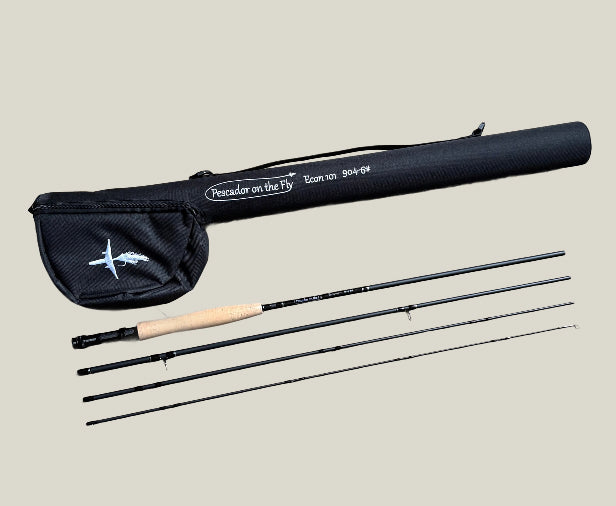
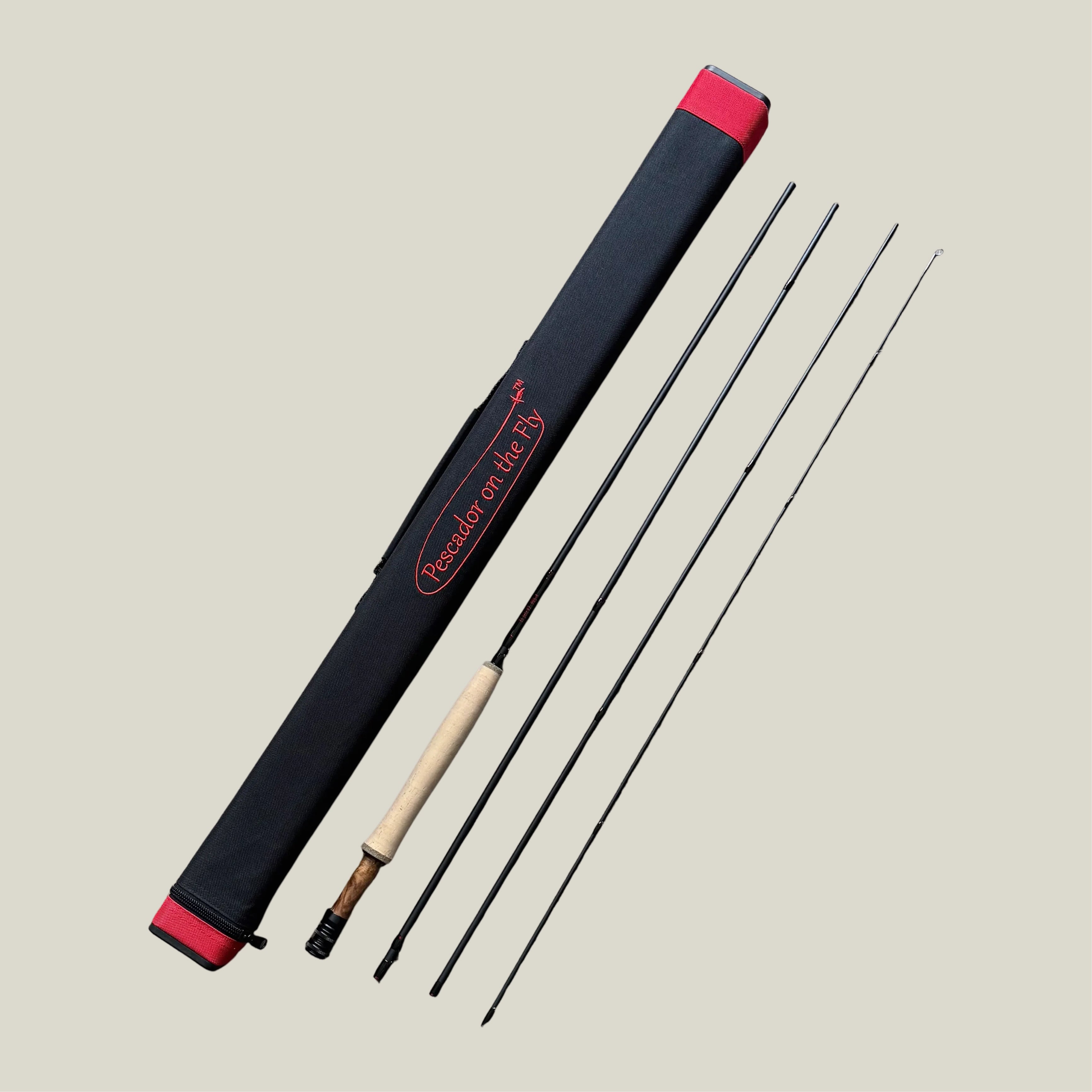
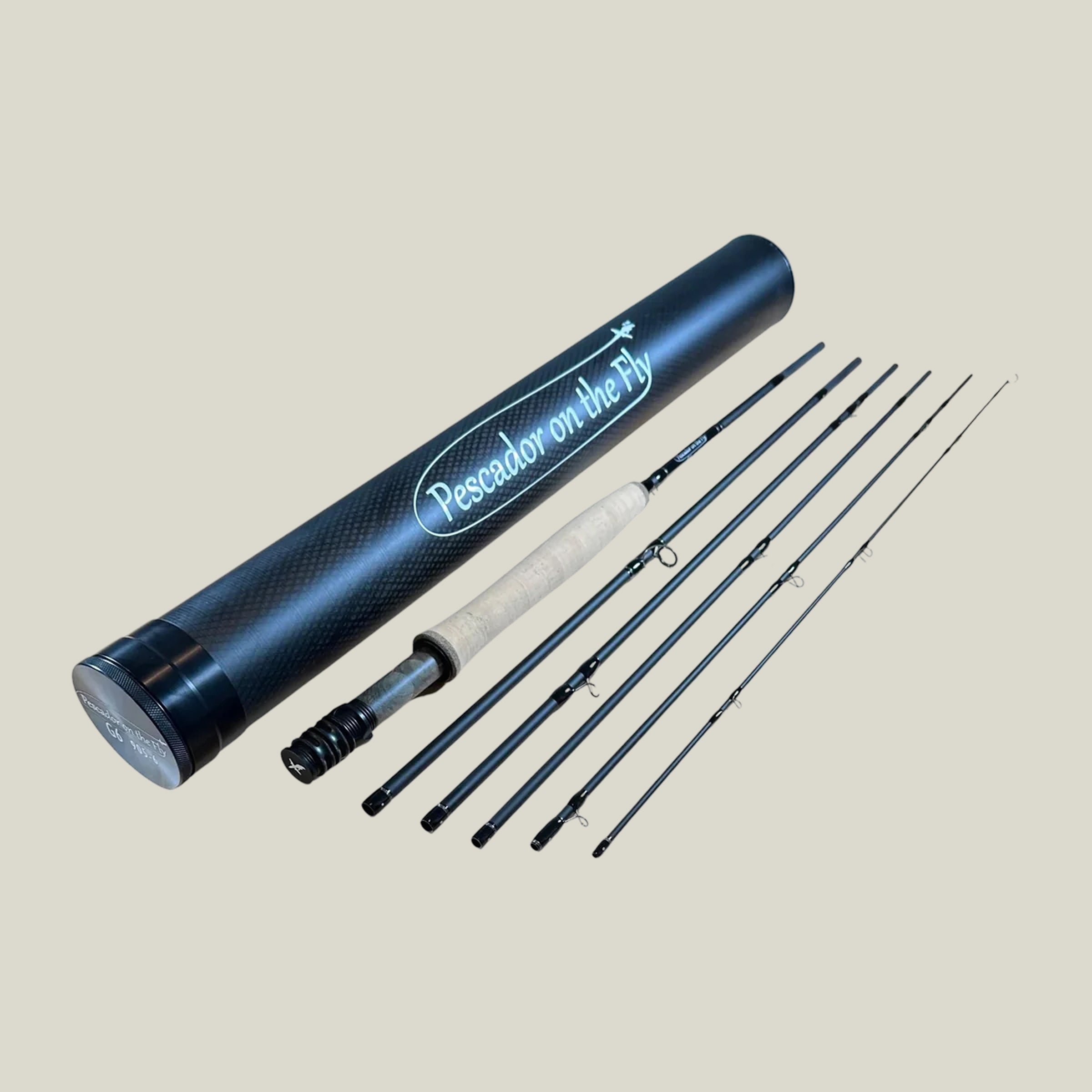
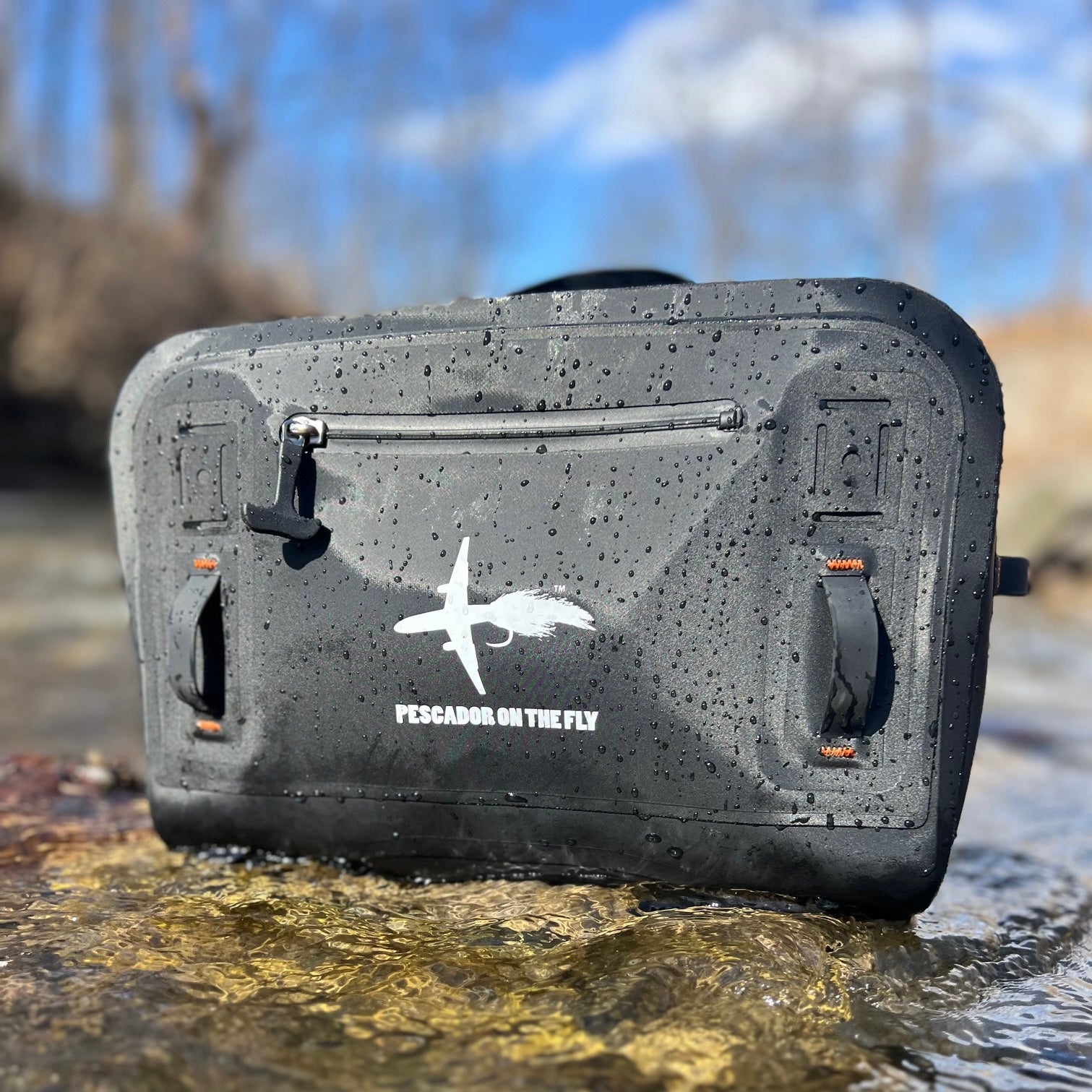
Between five rivers, you want a rod that travels as well as it fishes. If you're flying into Missoula, checking a rod tube is a gamble worth skipping — our El Rey G6 travel-rod series breaks down into six sections to fit a carry-on and still casts like a 4-piece, so your rod arrives when you do. A 9-foot 5-weight covers most of what these rivers throw at you; add a 6-weight if you plan to swing streamers for fall browns. Beyond that: floatant, a good range of skwala, salmonfly, PMD, hopper, and BWO patterns, and fine tippet for those glassy Missouri glides. We test this gear on exactly this water — we don't just talk about it.
Fish it with a guide — Missoula Fly Guy
I'll be straight about where most of what I know about this valley came from: Jake Hensley at Missoula Fly Guy (@missoulaflyguy). Jake taught me these rivers — which one to fish on a given week, how the hatches time out, where the fish stack up — and if you want to shortcut the learning curve on your first Missoula trip, the best money you can spend is a day in his boat. Book one at missoulaflyguy.com. The way we see it: Jake gets you on fish, and we get you geared up for the trip — two halves of one very good day on the water.
Gear and tackle for missoula fly fishing
The five-river spread around Missoula means you're not packing for one water type. You need a setup that can handle a size-18 BWO on the Missouri tailwater in the morning and a size-4 salmonfly pattern on Rock Creek by afternoon. A 9-foot 5-weight is the do-everything rod here — it'll cover dry flies, nymphs, and smaller streamers on the Bitterroot, Blackfoot, and Clark Fork without feeling overgunned. If you're chasing big browns in the fall or swinging meat on the Clark Fork below town, a 6-weight gives you the backbone for heavy sink-tips and articulated streamers without wearing out your shoulder.
Bring both floating and sink-tip lines. The Missouri and upper Clark Fork fish best with a standard weight-forward floater and a 9-foot 5X leader for dries and nymphs. The Blackfoot and Rock Creek call for a shorter, stouter leader — 7.5 feet of 4X — when you're high-sticking pocket water or indicator-nymphing the deeper runs. A 200-grain sink-tip or poly-leader is worth the rod-tube space if you're here in October or November, when the big browns move shallow and a black or olive streamer stripped through the soft water at dawn is the best chance at a 20-incher.
Waders are non-negotiable except maybe in August. Even summer mornings start cold, and you'll be wet-wading by noon and back in neoprene by evening. Breathables with built-in gravel guards handle the Blackfoot's cobble and the Missouri's slick bedrock equally well. A chest pack or sling keeps your fly boxes accessible when you're moving fast between riffles, and a net with a rubber bag is the right call — these are wild trout, and a knotless net gets them back in the water faster. If you're traveling light or hopping between rivers on the same trip, a good set of packable travel rods makes it easy to carry a 5-weight and a 6-weight without the hassle of full-length rod tubes.
Fly patterns that actually work here
Missoula fly shops will load you up, but if you're tying your own or stocking up before the trip, here's what consistently produces. For dries, carry skwala stones in size 6 and 8 for the Bitterroot in March and April — these are the first big bugs of the year and the fish hammer them. Salmonflies and golden stones in size 4 through 8 are essential for Rock Creek and the Blackfoot in June. Pale morning duns in size 16 and 18, along with caddis in tan and olive, cover the summer hatches on all five rivers. Tricos in size 20 and 22 fish well on the Missouri and lower Clark Fork from July into September, and blue-winged olives in size 18 and 20 are your fall and spring staples.
Nymphs do most of the work. Pheasant tails, hare's ears, and prince nymphs in size 14 through 18 are the searching patterns that find fish when nothing's rising. Stonefly nymphs — black, brown, and golden — in size 6 through 10 work year-round on Rock Creek and the Blackfoot, especially in the deeper pockets and tailouts. Rubber-leg patterns like Pat's Rubber Legs or a 20-incher in size 8 get down fast and trigger aggressive takes. Eggs and worms in October and November, when the browns are spawning, can be deadly on the Clark Fork and Bitterroot if the regs allow them — check before you fish.
Streamers are the fall and winter game. Olive, black, and white woolly buggers in size 4 and 6 are simple and effective. Articulated patterns like a sex dungeon or a circus peanut in 3 to 5 inches pull the biggest browns out of the undercut banks and log jams on the Clark Fork. The Missouri fishes smaller — a size 8 or 10 zonker or slumpbuster is plenty — but the Blackfoot and Bitterroot respond to bigger profiles when the water's off-color or the light's low.
Guides, shops, and local beta
Missoula has more fly shops per capita than just about anywhere, and they're not all selling the same advice. Grizzly Hackle downtown is the old-school spot — they've been here since the 1970s and the staff knows every riffle and run within a two-hour drive. Kingfisher Fly Shop focuses on the Clark Fork and Blackfoot and runs a solid guide service if you want someone to row you through the learning curve. Missoulian Angler is another reliable outfit with guides who fish all five rivers and can adjust the day based on conditions and what's hatching.
If you're hiring a guide, book early — especially for June salmonflies and September/October streamer season. A full day runs around four hundred to five hundred dollars for two anglers, and it's worth it if you're new to the area or short on time. Guides know which accesses are fishing well, where the crowds aren't, and how to read water that looks like every other riffle but holds three times the fish. They'll also tell you what the shops won't: that the Blackfoot fishes better above the Clearwater confluence, that the Missouri's best dry-fly water is often the runs everyone floats past, and that the Clark Fork below Missoula can be a zoo on weekends but empty on a Tuesday morning.
The shops also sell licenses and have the current fishing reports, which matter more here than in a lot of places because runoff timing shifts every year and hatches can be early or late by two weeks depending on snowpack and temperature. Stop in, buy some flies, and ask what's working — it's the fastest way to dial in your first day.
Access, regulations, and what to watch for
Montana's stream access law is one of the best things about fishing here: you can wade and fish any river up to the high-water mark, even if it runs through private land, as long as you stay below that line and access from a public bridge, road crossing, or fishing access site. The Clark Fork, Bitterroot, Blackfoot, Rock Creek, and Missouri all have multiple FAS sites managed by Montana Fish, Wildlife & Parks, with parking, boat ramps, and pit toilets. Some are walk-in only, some allow drift boats, and a few get crowded enough on summer weekends that you'll want to arrive early or skip them entirely.
Regulations vary by river and sometimes by section. The Missouri near Craig is mostly catch-and-release with barbless hooks and artificial flies only. Rock Creek has special regulations in certain stretches — some catch-and-release, some with harvest limits on rainbows but not cutthroat. The Blackfoot, Bitterroot, and Clark Fork have standard Montana regs in most areas, but there are exceptions, especially around spawning closures in the fall. Always check the current Montana fishing regulations before you go, because a citation for fishing a closed tributary or keeping a fish in a catch-and-release zone will cost you more than a guided trip.
Respect private property. If you're floating, you can stop and fish on any gravel bar or island, but you can't walk up onto the bank above the high-water mark without permission. If you're wading, don't cross fences, don't park on private land, and don't assume that because you can see the river from the road you can legally get to it. When in doubt, ask at a shop or stick to the marked access sites.
Lodging, food, and the rest of the trip
Missoula itself has plenty of hotels, from budget chains off Reserve Street to the nicer spots downtown near the river. If you want to be close to the water, look at places in Lolo for the Bitterroot, Clinton for Rock Creek, or Bonner for the Blackfoot. Vacation rentals and cabins are common along all five rivers, and some of the best fishing mornings start with a ten-minute drive instead of an hour. Just book early if you're coming in June or September — those are peak months and everything fills up.
The food scene in Missoula is better than you'd expect for a town of seventy-five thousand. Breakfast at the Shack or Catalyst gets you out the door early with actual coffee and a real meal. Lunch is whatever you packed, because you're not leaving the river. Dinner is where the town shines: Plonk for wine and small plates, The Camino for tapas, Scotty's Table for something fancier, or just a burger and a pint at Kettlehouse or Draught Works if you fished hard and want to sit down without thinking too much. The breweries here are legitimately good, and after a long day on the Missouri or a scramble up Rock Creek, a cold IPA and a plate of nachos is about as close to perfect as it gets.
Missoula is also a college town, so there's live music, gear shops, a decent bookstore, and enough to do that a non-fishing partner won't lose their mind. That said, if you're here to fish, you'll spend most of your time on the water or driving to it, and the town is just the hub you come back to at night.
What makes missoula fly fishing different
Most fly-fishing destinations hang their hat on one river. Missoula gives you five distinct fisheries within an hour, and that's the real advantage — you're not stuck waiting for runoff to end or a hatch to start, because there's almost always somewhere else to go. The Missouri fishes through runoff when everything else is blown out. Rock Creek clears first. The Bitterroot fishes early. The Clark Fork fishes late. The Blackfoot is the wild-trout experience in the middle of it all. You can fish dries on a tailwater in the morning and swing streamers on a freestone by evening, and both are legitimate, high-quality trout water.
The other thing that sets this area apart is that it's still mostly wild trout. The Missouri gets some supplemental stocking, but the Blackfoot, Bitterroot, Rock Creek, and Clark Fork are self-sustaining populations of rainbows, browns, cutthroat, and bull trout. The fish aren't huge by tailwater standards — a 16-inch trout is a good one, an 18-incher is a great one, and anything over 20 inches is a trophy — but they're strong, healthy, and they didn't come out of a hatchery truck last month. That matters if you care about wild fish and the ecosystems that support them.
Missoula fly fishing isn't a secret, and it's not empty. You'll see other anglers, especially at the popular access sites and during the salmonfly hatch. But there's enough water, enough variety, and enough room that you can still find solitude if you're willing to walk a little farther or fish a little earlier. It's a working fly-fishing town, not a resort, and that's part of the appeal — the people here fish because they live here, not because they're on vacation, and the whole place runs on that rhythm.


Leave a comment
All comments are moderated before being published.
This site is protected by hCaptcha and the hCaptcha Privacy Policy and Terms of Service apply.